
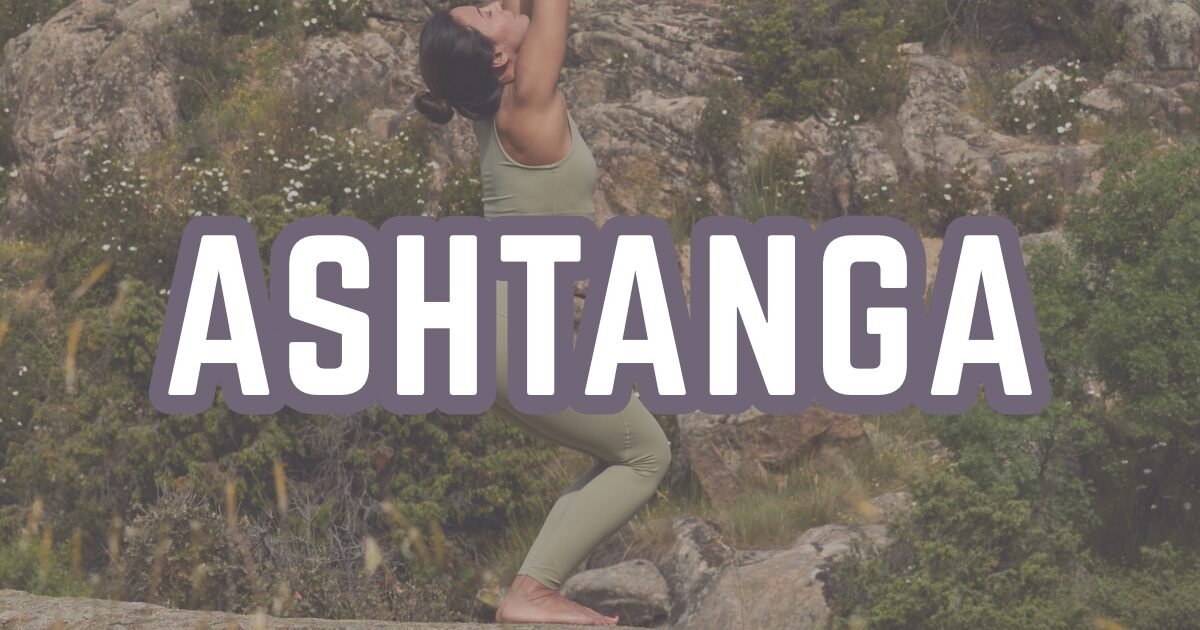
Experience the discipline of breath-synchronized movement in Ashtanga Yoga— a traditional practice that builds strength, flexibility, and inner stillness through set sequences.
Overview
- STYLE | Structured, vigorous, and meditative; a moving meditation built on discipline and repetition
- STRUCTURE | Six progressive series, each with a fixed sequence of postures — most practitioners focus on the Primary Series
- BREATH | Ujjayi breath throughout; breath drives the movement and creates internal heat (tapas)
- FLOW | Dynamic and seamless; each posture transitions into the next with a vinyasa (breath-linked movement)
- PACE | Steady and rhythmic, not slow but not rushed — pace is determined by breath
- FOCUS | Discipline, purification, concentration (drishti), and self-transformation
- TEACHER ROLE | Observant guide and hands-on adjuster (especially in Mysore-style); honors lineage and traditional progression
- VIBE | Focused, quiet, devotional; less about entertainment and more about deep inner work
Ashtanga Yoga: A Deep Dive into Traditional Practice
Ashtanga Vinyasa Yoga is one of the most disciplined and traditional styles of yoga practiced today. Known for its set sequences and synchronization of breath with movement, Ashtanga offers a rigorous and transformative practice that builds strength, flexibility, focus, and inner stillness.
The word "Ashtanga" comes from the Sanskrit "ashta" (eight) and "anga" (limb), referring to the eight-limbed path of yoga outlined in Patanjali's Yoga Sutras. While the physical practice (asana) is just one of these limbs, Ashtanga Vinyasa Yoga uses the body as a gateway to the deeper practices of breath control, concentration, and meditation.
In this comprehensive guide, we will explore the history and origins of Ashtanga, break down its unique style and methodology, examine the specific benefits and challenges of this demanding practice, and help you determine whether this traditional style is right for your yoga journey.
The Origins and Evolution of Ashtanga Yoga
From Mysore to the World
Ashtanga Vinyasa Yoga was developed by Sri K. Pattabhi Jois (1915–2009), who learned from his teacher Tirumalai Krishnamacharya in Mysore, India. Jois dedicated his life to teaching this system from his yoga shala, attracting students from around the world who traveled to Mysore to study directly with him.
The practice is said to be based on an ancient text called the Yoga Korunta, though this manuscript has never been verified. What is certain is that Krishnamacharya's teachings, combined with Jois's lifelong dedication, created a powerful and systematic approach to yoga that has influenced countless practitioners worldwide.
The lineage continues today through Jois's grandson, R. Sharath Jois, who teaches at the K. Pattabhi Jois Ashtanga Yoga Institute in Mysore. Many teachers around the world have also been authorized to teach this method, maintaining the traditional approach while making it accessible globally.
The Eight-Limbed Path
What distinguishes Ashtanga from other yoga styles is its commitment to the complete eight-limbed path. While many practitioners focus primarily on the physical postures (asana), the practice is designed to integrate all eight limbs: ethical restraints (yama), personal observances (niyama), posture (asana), breath control (pranayama), sense withdrawal (pratyahara), concentration (dharana), meditation (dhyana), and enlightenment (samadhi).
Style and Structure
Style: Structured and Disciplined
Ashtanga Yoga is structured, vigorous, and deeply traditional. Unlike creative flow classes where teachers design unique sequences, Ashtanga follows the same sequence every time. This repetition is intentional—it allows practitioners to internalize the practice and move into a meditative state.
The practice emphasizes the "tristhana" method: the union of posture (asana), breath (pranayama), and gaze (drishti). Each element supports the others, creating a focused and transformative experience.
Structure: The Six Series
Ashtanga consists of six progressive series, each building upon the previous:
- Primary Series (Yoga Chikitsa): "Yoga Therapy"—focuses on alignment, flexibility, and detoxification
- Intermediate Series (Nadi Shodhana): "Nerve Purification"—emphasizes backbends and deeper twists
- Advanced Series A, B, C, D: Increasingly challenging sequences for advanced practitioners
Most practitioners spend years—often a lifetime—refining the Primary Series before advancing. This patient approach builds a sustainable, injury-free practice.
Class Structure
- Opening mantra or chant (honoring the lineage)
- Sun Salutations (Surya Namaskar A and B) to build heat
- Standing poses for strength, balance, and grounding
- Seated poses for flexibility, forward folds, and twists
- Inversions including headstand and shoulderstand
- Backbends for heart-opening and energy expansion
- Closing sequence and Savasana (final relaxation)
Breath and Flow
Breath: The Foundation of Practice
Breath is the anchor of Ashtanga Yoga. The practice uses Ujjayi breath—a steady, audible breath created by slightly constricting the throat. This "victorious breath":
- Creates internal heat (tapas) to purify the body
- Provides a rhythm for movement
- Deepens concentration and presence
- Calms the nervous system
Each movement is linked to either an inhale or an exhale, creating a dance between breath and body. Inhale to expand, lift, or open. Exhale to fold, twist, or release.
Flow: Vinyasa as Movement Meditation
The word "vinyasa" refers to the breath-synchronized movement that connects each posture. In Ashtanga, this creates:
- Continuous heat: Building internal fire to cleanse the body
- Steady rhythm: A meditative pace determined by breath
- Focused attention: No room for distraction when breath guides every move
Unlike free-flowing Vinyasa Yoga, Ashtanga's flow is fixed and predictable—the same sequence creates familiarity, allowing the mind to settle and the practice to deepen.
Pace, Focus, and Teacher Role
Pace: Breath-Determined
The pace of Ashtanga is steady and rhythmic:
- Not slow: There's continuous movement throughout
- Not rushed: Breath keeps the practice sustainable
- Meditative: The rhythm allows the mind to settle
Mysore Style vs. Led Class
Mysore Style: The traditional method where students practice the sequence at their own pace while teachers provide individual adjustments and instruction. Named after the city where Jois taught, this format is ideal for all levels.
Led Class: The teacher calls out postures in Sanskrit and everyone moves together. Helpful for learning the sequence and maintaining a consistent pace.
Focus Areas
- Drishti (gaze points): Each posture has a specific place to look, training concentration
- Bandhas (energy locks): Internal engagement that stabilizes and directs energy
- Repetition: The same sequence daily reveals subtle layers over time
Teacher Role
Ashtanga teachers are keepers of tradition:
- Observers and adjusters, especially in Mysore style
- Patient guides who give postures progressively
- Hands-on when appropriate (always with consent)
- Honors the lineage and traditional methodology
Benefits of Ashtanga Yoga
The combination of disciplined structure, breath synchronization, and traditional methodology creates a unique set of benefits:
Physical Benefits
- Functional Strength: Weight-bearing poses build lean, balanced muscle
- Deep Flexibility: Consistent practice releases tight muscles over time
- Cardiovascular Fitness: Continuous movement elevates heart rate
- Better Balance: Standing sequences challenge proprioception
- Detoxification: Internal heat and movement support cleansing
- Increased Endurance: Building stamina through sustained practice
Respiratory Benefits
- Lung Capacity: Ujjayi breath expands respiratory function
- Breath Control: Learning to regulate breath under exertion
- Nervous System: Calming effect through controlled breathing
Mental & Emotional Benefits
- Mental Clarity: Focused practice quiets mental chatter
- Discipline: Showing up to the same practice builds grit
- Focus Enhancement: Drishti and breath synchronization sharpen concentration
- Stress Relief: Moving meditation releases tension
- Self-Knowledge: Daily practice reveals patterns and growth
Lifestyle Benefits
- Routine: Creates structure and accountability
- Community: Mysore rooms foster connection
- Longevity: A practice you can refine for life
- Tradition: Connection to ancient lineage and philosophy
Important Considerations
Ashtanga is physically demanding and traditionally practiced six days per week. Beginners should start slowly, ideally in Mysore classes where teachers can provide individual guidance. Those with injuries should inform the teacher and take modifications as needed.
Who Is Ashtanga Yoga For?
Ashtanga Yoga attracts dedicated practitioners who value discipline, tradition, and depth. This practice is particularly well-suited for:
Disciplined Practitioners
Those who thrive on structure, routine, and physical challenge. The fixed sequence provides clear goals and measurable progress.
Focus Seekers
Anyone using movement as meditation to quiet busy minds. The breath-movement connection demands presence.
Traditional Students
Those drawn to lineage, philosophy, and the deeper aspects of yoga beyond physical postures.
Long-term Practitioners
Students who want depth over variety—mastery through repetition rather than constant novelty.
Heat Seekers
Practitioners who find flexibility through internal warmth and sustained effort rather than passive stretching.
Beginners (With Patience)
New students willing to learn gradually in Mysore classes, building a sustainable foundation one posture at a time.
Who Should Explore Other Options
While Ashtanga is transformative, consider alternative practices if you:
- Prefer creative, ever-changing sequences (try Vinyasa)
- Need precise alignment instruction and props (try Iyengar)
- Want a gentler, restorative practice (try Yin or Restorative)
- Have injuries requiring careful, modified approaches
- Find repetition tedious rather than meditative
Conclusion
Ashtanga Vinyasa Yoga represents the disciplined, traditional heart of yoga practice. Its emphasis on set sequences, breath synchronization, and daily commitment creates an experience that is simultaneously physical practice, moving meditation, and spiritual discipline.
For those who embrace its structure, the practice offers profound rewards: functional strength built through consistent effort, flexibility developed through patient repetition, mental clarity cultivated through focused awareness, and the satisfaction of a practice that deepens over years and decades.
The famous saying attributed to Pattabhi Jois captures the essence: "Practice, and all is coming." The journey begins with a single Sun Salutation, a single breath. Find a qualified teacher, step onto the mat, and let the practice unfold.
Explore Related Yoga Styles
If you love Ashtanga's breath-movement connection but want more creative freedom, Vinyasa Yoga offers varied sequences with the same flow principles. For precision and alignment, Iyengar Yoga provides detailed instruction. For intensity without set sequences, Power Yoga might appeal. And for balance after vigorous practice, complement with Yin Yoga.
Find Your Perfect Ashtanga Class
Connect with experienced Ashtanga yoga teachers and studios in your area.
Search Classes →