Asana Defined
AH-suh-nuhAsana is the physical expression of yoga — shapes where breath meets stability, where your body becomes the language of your practice.
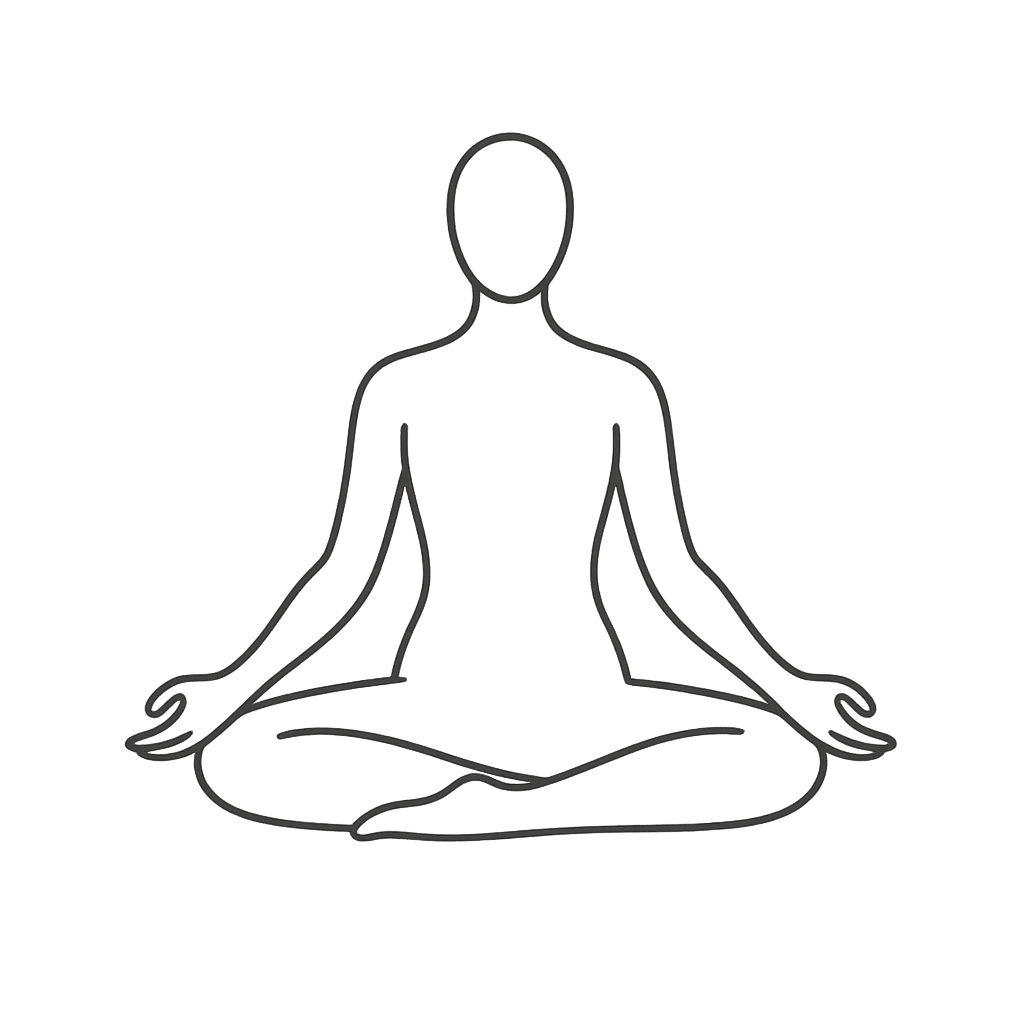
Short Definition
The Sanskrit word asana means "seat" — not just a place to sit, but a place to arrive. In yoga class, asana is everything you physically do: standing, flowing, stretching, holding still. It's the bridge between intention and presence.
What Asana Means in a Yoga Class
In class, "asana" is everything you physically do with your body: standing, balancing, twisting, folding, backbending, relaxing. Teachers cue alignment, breath, and transitions so poses support your body rather than strain it.
For teachers and studio owners, asana is the accessible entry point into yoga. It's where students build confidence, learn body awareness, and discover what styles resonate with them.
Why Asana Matters
- Cultivates honest strength and mobility — not through forcing, but through consistent, attentive practice
- Synchronizes breath with movement, transforming exercise into meditation
- Protects your body through alignment awareness and deep respect for your unique structure
- Trains the nervous system toward calm focus — a skill you carry far beyond the mat
- Creates the physical foundation where all other yoga practices become possible
Asana Across Different Yoga Styles
Each yoga style approaches asana differently. Understanding these variations helps students find the practice that best serves their goals:
- Hatha Yoga – Invites you to explore poses slowly, with precision
- Vinyasa Flow – Links breath and movement into seamless flow
- Iyengar Yoga – Uses props as teachers, refining your alignment with clarity
- Yin Yoga – Asks you to hold space — stillness itself becomes the practice
- Power Yoga – Emphasizes strength and intensity through faster-paced, dynamic sequences
- Restorative Yoga – Uses props to support gentle, supported poses for deep relaxation and healing
Common Asanas You'll Encounter
Most yoga classes include foundational poses that appear across different styles. These are great entry points for building confidence:
- Mountain Pose (Tadasana) – Standing foundation pose for alignment and grounding
- Child's Pose (Balasana) – Gentle resting pose for relaxation and hamstring stretching
- Downward Dog (Adho Mukha Svanasana) – Foundational inversion and hamstring stretch
- Warrior Poses (Virabhadrasana I, II, III) – Standing poses that build strength and stability
- Tree Pose (Vrksasana) – Balance pose for focus and leg strength
- Corpse Pose (Savasana) – Final relaxation pose for integration and restoration
Ready to Practice Asana?
Find yoga classes near you and experience these postures firsthand with experienced teachers.