Drishti Defined: The Focus Point in Yoga for Balance and Clarity | Yoga Near Me

Drishti Defined

Pronunciation: DRISH-tee · Sanskrit: दृष्टि

Drishti is a focused gaze point used in yoga to steady the mind, improve balance, and deepen concentration during asana and meditation practice. More than simply "looking," drishti creates a single point of attention that anchors your entire practice.

What Is Drishti?

Drishti means "focused gaze" or "vision" in Sanskrit. In yoga, it refers to directing your eyes to a specific point while holding a pose or moving through a sequence. This external focus helps quiet mental chatter, improve physical balance, and cultivate inner awareness—preventing your eyes (and mind) from wandering.

Unlike simply "looking" at something, drishti is a soft, steady gaze that's both focused and relaxed. It's not about straining or staring—it's about creating a single point of attention that anchors your entire practice.

Where your eyes go, your mind follows. This is the foundational principle behind drishti. By fixing your gaze, you're actually training your mind to stay present. The scattered eye naturally produces a scattered mind; the steady eye cultivates a steady mind.

The Nine Traditional Drishti Points

In Ashtanga Yoga, there are nine traditional drishti points used in different poses to enhance alignment and energetic flow. Each serves a specific purpose:

Nasagrai
Nose Tip

Used in forward folds and seated poses. Draws attention inward and promotes introspection.

Angusthamadhye
Thumb

Common in upward-reaching poses like Warrior I. Extends awareness through the fingertips.

Broomadhye
Third Eye

Gaze to the space between the eyebrows in poses like Cobra. Stimulates the ajna chakra.

Nabi Chakra
Navel

Downward gaze in poses like Downward Dog. Activates core awareness and grounding.

Urdhva
Upward

Looking up in backbends and inversions. Opens the throat and expands the chest.

Hastagrai
Hand

Gazing at the hand in side stretches like Triangle. Follows the extension of the pose.

Parshva
Side

Looking to the side in twists and lateral poses. Deepens the rotational quality of twists.

Padayoragrai
Toes

Gazing at the toes in standing forward bends. Lengthens the spine and settles the mind.

Adho
Downward

General downward gaze for grounding. Default drishti for many standing and seated poses.

Why Drishti Matters

  • Improves balance — By giving the vestibular system a stable reference point, especially in standing poses and arm balances
  • Enhances concentration — Reduces visual distractions and prevents the mind from wandering
  • Supports alignment — Encourages proper head and neck positioning in each pose
  • Deepens meditation — Practices dharana (focused concentration), a key step toward meditation
  • Cultivates pratyahara — Withdrawal of the senses, turning attention inward rather than reacting to external stimuli
  • Reduces comparison — Keeps your gaze on your own practice instead of looking at others

How Drishti Is Practiced

In class, teachers will often cue drishti by saying things like "Find your drishti," "Gaze at your thumb," or "Soften your gaze forward." The key is to keep your eyes steady but relaxed—not straining or squinting. Your gaze should feel like a gentle anchor, not a rigid fixation.

The quality of drishti matters as much as the direction. A soft gaze allows peripheral vision to remain active while maintaining focus. This creates a quality of alert relaxation—present and focused, but not tense.

Tip: If balancing poses feel wobbly, check your drishti first. Often, an unstable gaze creates an unstable body. Find a single, unmoving point and breathe. You'll likely notice immediate improvement.

Common Misconceptions

  • "Drishti means staring intensely" — No. Drishti is soft and relaxed, not rigid or tense. Your gaze should support calm focus, not create strain.
  • "It's only for Ashtanga Yoga" — While Ashtanga has formalized the nine drishti points, all yoga styles benefit from focused gaze to improve balance and attention.
  • "You can't blink or move your eyes" — Drishti is about maintaining a general direction of focus, not freezing your eyes. Blink naturally and keep the eyes soft.
  • "It's just about the physical practice" — Drishti is a pratyahara practice—it's training the mind as much as stabilizing the body.

Drishti Beyond the Mat

The principle of drishti extends beyond physical yoga practice. In daily life, where we direct our attention shapes our experience. The scattered attention of constantly checking phones, multitasking, and reacting to every stimulus is the opposite of drishti—and it fragments our sense of self.

Practicing drishti on the mat trains a capacity for focused attention that can serve you everywhere: in conversations, in creative work, in moments of difficulty. The steadiness cultivated through focused gaze becomes a steadiness of mind that you carry with you.

Ready to Practice Drishti?
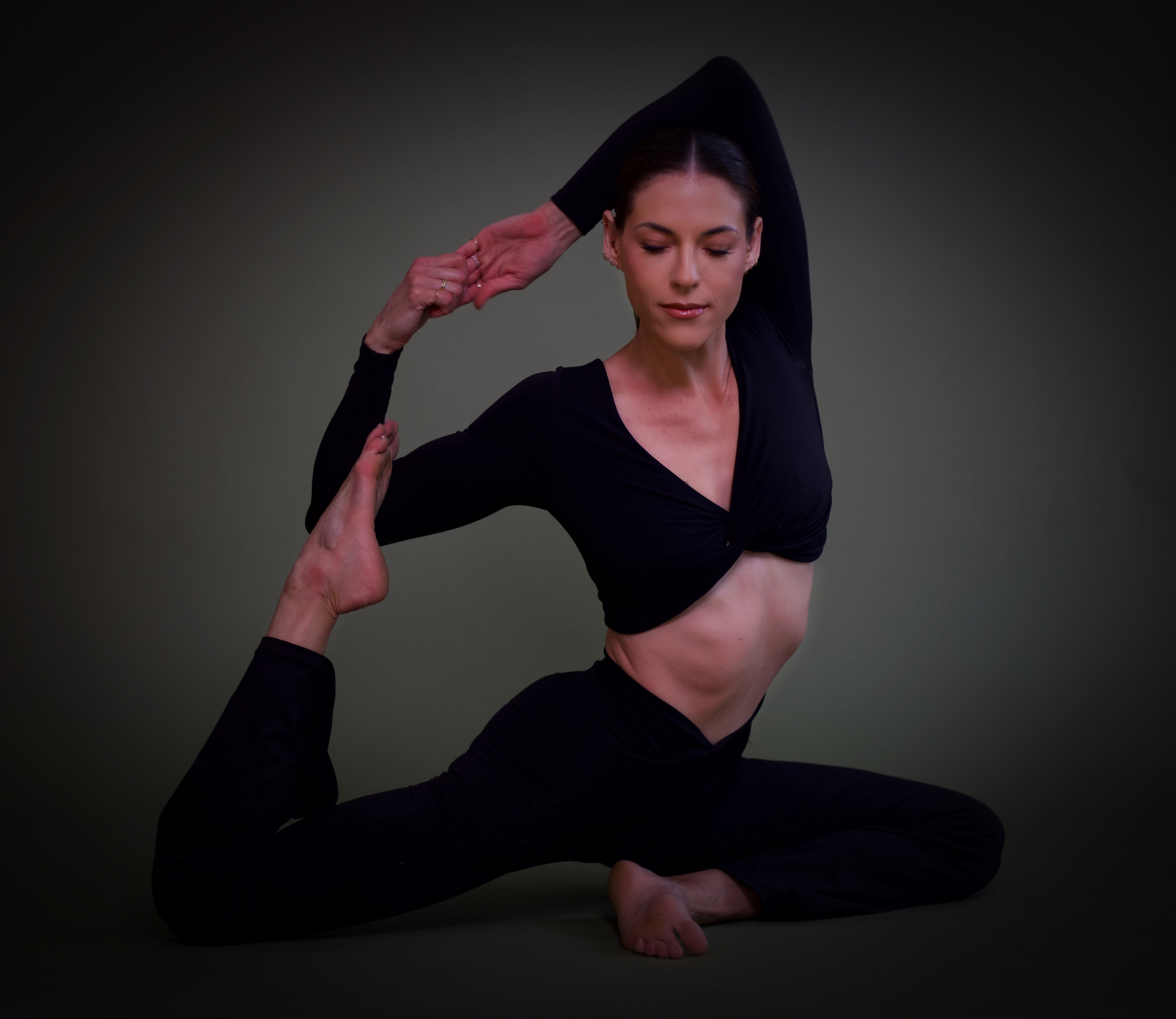
Find yoga classes that teach alignment, balance, and focused attention through drishti practice.

Disclaimer: This content is for educational purposes only and is not medical advice. If you have vision problems or neck issues, consult your healthcare provider before practicing specific drishti points.