Gratitude Practice
Gratitude practice is the intentional cultivation of appreciation and thankfulness, a science-backed approach to rewiring the brain for positivity that reduces stress, improves mood, and deepens your capacity for presence and joy.
What Is Gratitude Practice?
Gratitude practice is the deliberate, regular act of noticing and acknowledging what you appreciate in your life. Unlike spontaneous feelings of thankfulness that arise when something good happens, gratitude practice is systematic—you create conditions for appreciation whether or not you feel grateful in the moment.
The practice works because of neuroplasticity—the brain's ability to rewire itself based on what we repeatedly focus on. By consistently directing attention to what's working, what supports you, and what you value, you strengthen neural pathways associated with positive emotions. Over time, the brain becomes more adept at noticing good—shifting baseline mood and perspective.
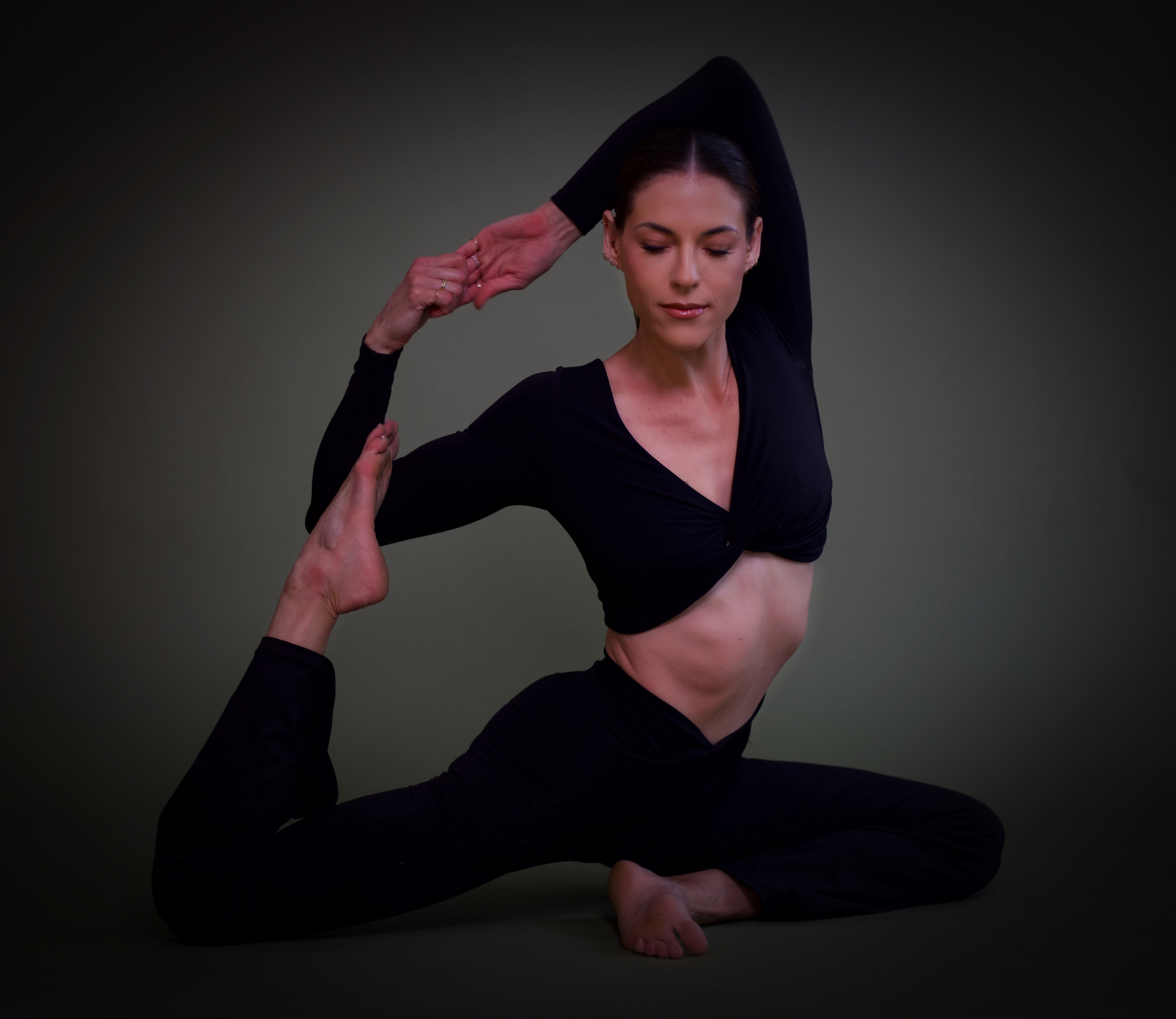
In yoga contexts, gratitude often appears at the beginning or end of practice, during Savasana, or as a component of meditation. Many practitioners find that gratitude deepens the effects of physical practice, connecting movement to meaning.
The Science of Gratitude
Research from institutions including UC Berkeley, UCLA, and Indiana University has documented measurable benefits:
How to Practice Gratitude
Write 3-5 things you're grateful for each day. Be specific: not "my family" but "the way my daughter laughed at breakfast this morning." Specificity deepens the practice. Some practitioners journal in the morning to set tone; others at night to process the day.
Sit quietly, bring to mind something or someone you appreciate, and allow the feeling of gratitude to fill your awareness. Notice where you feel it in your body. Spend 5-10 minutes expanding this feeling. Often combined with mindfulness practice.
At the start of class, set a sankalpa rooted in appreciation. During practice, notice what your body can do rather than what it can't. In Savasana, silently name three things you're grateful for. Let gratitude infuse your practice without forcing it.
Write a letter to someone who has positively impacted your life, describing specifically what they did and how it affected you. Consider delivering it in person or reading it aloud. Research shows this produces one of the strongest gratitude effects.
Gratitude Without Bypassing
Authentic gratitude practice doesn't require denying difficulty or pretending everything is fine. This distinction is crucial.
Spiritual bypassing uses positivity to avoid legitimate pain: "I should be grateful, so I can't feel sad." This actually suppresses emotion and creates disconnection.
Authentic gratitude holds space for the full range of experience: "This is hard, and I'm also grateful for the friend who checked on me." Both can be true simultaneously. Gratitude doesn't replace grief or anger—it exists alongside them, offering perspective without denial.
If gratitude practice feels forced or brings up resistance, that's worth noticing. Sometimes the most honest acknowledgment is: "I'm grateful I survived this day." That counts.
Building a Sustainable Practice
Three things, once daily, for two weeks. That's enough to establish the habit and begin experiencing benefits. Don't overcommit; consistency matters more than volume.
Generic gratitude ("I'm grateful for my health") produces less effect than specific gratitude ("I'm grateful my knee didn't hurt during today's walk"). Details engage more neural real estate.
Hot water. A comfortable bed. The ability to read. We adapt to good things quickly, taking them for granted. Gratitude practice re-sensitizes us to ordinary blessings we've stopped noticing.
If you list the same things daily, the practice becomes rote. Vary your focus—sometimes people, sometimes experiences, sometimes small moments, sometimes larger circumstances.
Find classes that weave appreciation and intention into the yoga experience.
Cultivate Gratitude in Practice
Find classes that weave appreciation and intention into the yoga experience.
Keep Exploring
Explore more terms, styles, and find studios near you.
Find Studios Near You