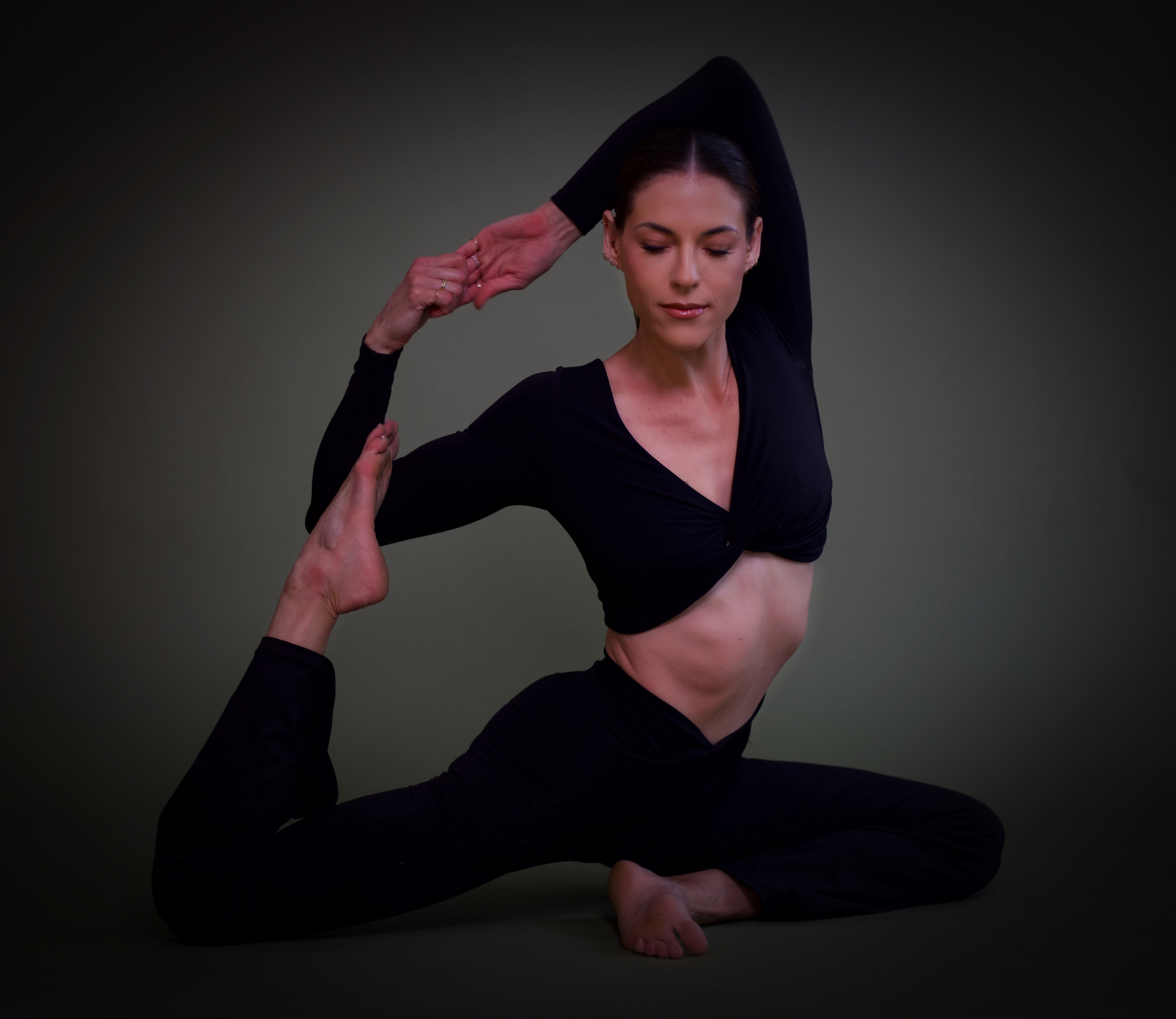
Nervous System Regulation Defined

Nervous System Regulation Defined: Yoga for Stress & Calm | Yoga Near Me

Nervous System Regulation Defined

Also known as: Autonomic Regulation, Polyvagal Awareness

Nervous system regulation is the ability to consciously influence your autonomic nervous system, using yoga, breathwork, and somatic awareness to shift from states of stress and reactivity into calm, centered presence.

TL;DR Summary

  • Your nervous system has automatic stress (sympathetic) and rest (parasympathetic) modes
  • Yoga practices—especially breathwork—can consciously shift between these states
  • Regulation means flexibility: accessing activation when needed, returning to calm when safe

What Is Nervous System Regulation?

Nervous system regulation refers to the ability to influence your autonomic nervous system—the part of your physiology that controls automatic functions like heart rate, breathing, and digestion. While traditionally considered "automatic," we now know that conscious practices can significantly shift nervous system states.

The autonomic nervous system has two main branches. The sympathetic branch activates the "fight-or-flight" response: increased heart rate, shallow breathing, blood flow to muscles, heightened alertness. The parasympathetic branch activates "rest and digest": slower heart rate, deeper breathing, blood flow to digestive organs, relaxation.

A well-regulated nervous system isn't stuck in either state—it's flexible, able to activate when facing real demands and return to baseline when the challenge passes. Many people, due to chronic stress, trauma, or modern lifestyle, get stuck in sympathetic overdrive—constantly revved, unable to fully rest, even when safe.

The Three States (Polyvagal Theory)

Dr. Stephen Porges' Polyvagal Theory adds nuance, describing three primary states:

🟢 Ventral Vagal (Safe & Social)

The ideal baseline: calm but alert, connected, open to others. Your "social engagement" system is active. This is where healing, creativity, and connection happen.

Signs: relaxed face, easy breathing, feeling present and connected

🟡 Sympathetic (Mobilized)

Fight-or-flight activation. Useful in genuine emergencies but problematic when chronic. Energy is available for action, but connection and digestion are suppressed.

Signs: racing heart, shallow breath, tension, anxiety, irritability

🔴 Dorsal Vagal (Immobilized)

Shutdown, freeze, or collapse. An ancient survival response when fighting or fleeing isn't possible. Feels like depression, disconnection, or numbness.

Signs: fatigue, brain fog, dissociation, feeling "checked out"

Regulation means having access to all three states appropriately: being able to mobilize when needed, shut down briefly in extreme circumstances, and return to safe-and-social as the default.

How Yoga Regulates the Nervous System

Yoga offers multiple pathways to shift nervous system states:

Slow, deep breathing — Extended exhales directly activate the parasympathetic via the vagus nerve. Nadi Shodhana is especially effective.
Physical movement — Helps discharge stress hormones (cortisol, adrenaline) that otherwise keep the system activated
Humming and chanting — Vibrations in the throat stimulate the vagus nerve directly. Even "Om" counts.
Interoceptive awareness — Noticing body sensations without reactivity builds the capacity to stay present with activation
Savasana and rest — Practicing intentional stillness trains the nervous system that it's safe to settle
Community and co-regulation — Practicing in a safe group setting provides nervous system cues of safety

Practices for Regulation

To Shift from Sympathetic to Parasympathetic (Calm Down)

  • Extended exhale breathing (inhale 4, exhale 8)
  • Nadi Shodhana (alternate nostril breathing)
  • Forward folds with support
  • Legs up the wall
  • Yoga Nidra
  • Gentle humming or "Om"

To Shift from Dorsal Vagal to Sympathetic (Energize)

  • Kapalabhati (energizing breath)
  • Vigorous movement (Sun Salutations)
  • Backbends
  • Cold water on face or hands
  • Orienting (looking around the room, naming what you see)
The goal isn't permanent calm. A healthy nervous system can access activation when facing genuine challenges, then return to baseline. Regulation isn't about being relaxed all the time—it's about appropriate flexibility.

Signs of Dysregulation

How do you know if your nervous system needs attention?

  • Chronic anxiety or feeling "on edge"
  • Difficulty sleeping despite fatigue
  • Overreacting to minor stressors
  • Feeling numb, disconnected, or "checked out"
  • Chronic fatigue despite adequate rest
  • Digestive issues (IBS, acid reflux)
  • Difficulty concentrating
  • Frequent illness (immune suppression)
Trauma note: Nervous system dysregulation often has roots in trauma. While yoga can support regulation, it works best alongside—not instead of—professional support when trauma is involved. Seek out trauma-informed teachers and go slowly.

Find Classes for Nervous System Support

Discover studios offering restorative, therapeutic, and trauma-informed yoga.