
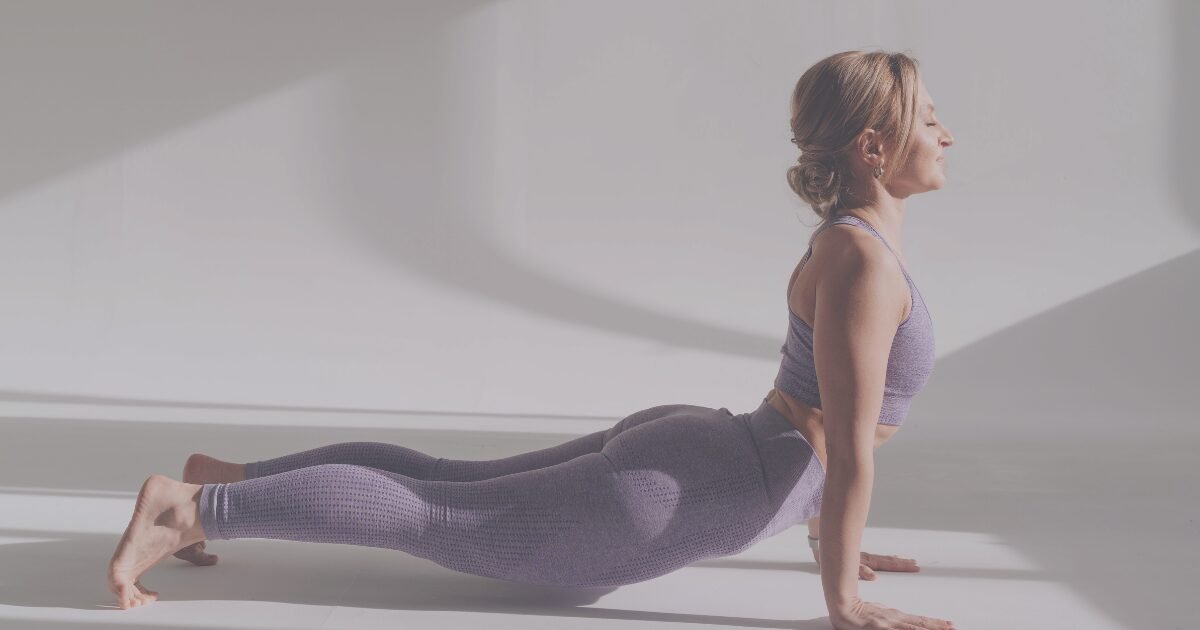
Experience the art of breath-synchronized movement in Vinyasa Yoga— your complete guide to this dynamic, creative practice from first flow to mastery.
Overview
- STYLE | Dynamic and flowing; emphasizes linking movement with breath
- STRUCTURE | Creative sequencing; no fixed sequence—varies by teacher and class
- BREATH | Ujjayi breath guides movement and creates internal heat
- FLOW | Continuous movement; transitions are as important as poses
- PACE | Moderate to fast; ranges from Slow Flow to Power Vinyasa
- FOCUS | Fluidity, strength, flexibility, endurance, moving meditation
- TEACHER ROLE | Creative sequencing with verbal cueing to support flow
- VIBE | Energizing, creative, accessible; popular in modern studios
Vinyasa Yoga: A Deep Dive into Flow Practice
Vinyasa Yoga is one of the most popular and widely practiced styles of yoga in the modern world. Known for its dynamic, flowing sequences and synchronization of breath and movement, Vinyasa offers an energizing and creative practice that can be adapted for almost any level of student.
The word "Vinyasa" itself means "to place in a special way," referring to the artful sequencing of postures designed to cultivate strength, flexibility, focus, and a deep connection to breath. Unlike styles with fixed sequences, Vinyasa gives teachers creative freedom, meaning no two classes are ever quite the same.
In this comprehensive guide, we will explore the history and origins of Vinyasa, break down its unique style and methodology, examine the specific benefits and challenges of this flowing practice, and help you determine whether this dynamic style is right for your yoga journey.
The Origins and Evolution of Vinyasa Yoga
From Ashtanga to Modern Flow
The origins of modern Vinyasa Yoga can be traced back to Ashtanga Vinyasa Yoga, developed by Sri K. Pattabhi Jois in Mysore, India. In the Ashtanga system, "Vinyasa" refers to the continuous linking of breath and movement through a prescribed series of postures.
As yoga spread globally in the late 20th century, many teachers began to adopt this breath-synchronized flow while introducing more creative sequencing and adaptability into their classes. The result was what we now call Vinyasa Yoga—an approach that honors the breath-movement connection of Ashtanga but allows for infinite possibilities in how a class is designed.
Because Vinyasa is not codified into a strict lineage, it offers teachers the freedom to innovate and personalize their classes, making it one of the most diverse and creative forms of yoga taught today. This adaptability is both its greatest strength and what makes it so accessible to practitioners of all levels.
The Breath-Movement Connection
What distinguishes Vinyasa from other yoga styles is its unwavering commitment to linking breath with movement. Every transition, every pose, every moment in the practice is guided by the rhythm of the breath. This creates a moving meditation that keeps the mind focused and the body engaged throughout the entire class.
Style and Structure
Style: Dynamic and Flowing
Vinyasa Yoga is dynamic, flow-based, and centered on the principle of linking breath with movement. The style invites students to experience yoga as a moving meditation, where transitions between poses become just as important as the poses themselves.
Rather than holding postures statically for long periods (as in Hatha or Iyengar Yoga), Vinyasa emphasizes continuous movement, cultivating fluidity, grace, and inner rhythm.
Structure: Creative Freedom
There is no set sequence in Vinyasa Yoga. Each class is creatively designed by the teacher, offering a wide range of sequences that may vary from day to day. A typical Vinyasa class may include:
- Opening centering or meditation
- Warm-up flows (often including Sun Salutations)
- Standing sequences to build strength, stamina, and balance
- Seated or floor-based postures for flexibility and mobility
- Backbends, inversions, or arm balances, depending on class focus
- Cool-down and Savasana (final relaxation)
While the class structure is fluid, the guiding principle remains constant: movement is synchronized with breath, and transitions are seamless.
Breath and Flow
Breath: The Anchor of Practice
Breath is the anchor of Vinyasa Yoga. Most teachers encourage the use of Ujjayi breath—a steady, audible breath that supports endurance and concentration. The rhythm of the breath:
- Guides the pace of movement
- Maintains internal heat and energy flow
- Deepens body awareness
- Helps cultivate a meditative state even in dynamic sequences
Each movement is ideally inhaled or exhaled into, creating a dance between breath and body. Inhale to expand, lift, or open. Exhale to fold, twist, or release.
Flow: The Defining Feature
Flow is what makes Vinyasa unique:
- Movement is continuous and graceful
- Transitions between poses are intentional and practiced
- Poses may be held briefly but are always integrated into the greater flow
Depending on the teacher and class level, Vinyasa can feel like a dance-like moving meditation, a powerful cardiovascular workout, or a slow, mindful exploration of breath and movement. This versatility is one of Vinyasa Yoga's greatest strengths.
Pace, Focus, and Teacher Role
Pace: Variable Intensity
Vinyasa Yoga classes vary widely in pace:
- Slow Flow: Moves slowly and mindfully, allowing time to explore each pose
- Standard Vinyasa: Balances dynamic movement with moments of stillness
- Power Vinyasa: Fast-paced and sweaty, resembling a challenging workout
Because there is no fixed sequence, teachers can adapt the pace to suit the experience level and energy of the students.
Focus Areas
Vinyasa Yoga offers a broad range of benefits and areas of focus:
- Fluidity and grace: Moving seamlessly enhances coordination and body awareness
- Strength and stamina: Repeated flowing movements build functional strength and cardiovascular endurance
- Flexibility: Dynamic stretching improves range of motion
- Breath awareness: Synchronizing movement with breath cultivates mindfulness
- Creativity: The open structure allows for playful exploration
Teacher Role
Vinyasa teachers typically take on a creative and guiding role. They are responsible for:
- Designing thoughtful sequences that build intelligently toward a physical or energetic peak
- Offering verbal cues and sometimes demonstrations to support fluid transitions
- Creating a thematic arc that connects physical practice with breath, emotion, or intention
- Providing modifications and options to suit varying levels of experience
Because the class is not scripted, the skill and creativity of the teacher play a significant role in shaping the experience.
Benefits of Vinyasa Yoga
Dynamic flow for body and mind
Enhanced Strength & Power
Weight-bearing poses and dynamic transitions build functional muscle and full-body strength.
Cardiovascular Fitness
Continuous movement elevates heart rate, improving endurance and burning 400-600 calories per session.
Improved Flexibility
Dynamic stretching through flowing sequences increases range of motion throughout the body.
Stress Relief & Calm
Moving meditation quiets the mind while endorphin release elevates mood naturally.
Enhanced Focus & Presence
Breath-movement coordination sharpens concentration and cultivates present-moment awareness.
Creative Expression
The freedom of flow encourages self-expression and keeps practice fresh with endless variety.
Discover all 12 transformative benefits of Vinyasa Yoga
Explore All 12 Benefits →Who Is Vinyasa Yoga For?
Vinyasa Yoga attracts a wide range of practitioners—from complete beginners to advanced yogis. This practice is particularly well-suited for:
Flow Seekers
Those who prefer movement over stillness and want to experience yoga as a dynamic, dance-like practice.
Athletes & Fitness Enthusiasts
Those looking for a challenging workout that builds strength, flexibility, and cardiovascular endurance simultaneously.
Creative Types
Those who appreciate variety and don't want to do the same sequence every class. Every Vinyasa class offers something new.
Stress Relief Seekers
Those wanting to quiet busy minds through movement. The breath-movement synchronization demands presence.
Community Seekers
Those who thrive in group settings. Vinyasa's popularity means vibrant studio communities worldwide.
Beginners (With Guidance)
New students who start with Slow Flow or Beginner Vinyasa classes and patient, modification-friendly teachers.
Who Should Explore Other Options
While Vinyasa is highly adaptable, consider alternative practices if you:
- Prefer precise alignment instruction over flow (try Iyengar)
- Want a fixed sequence you can memorize and deepen (try Ashtanga)
- Need very slow, restorative practice (try Yin or Restorative)
- Have injuries requiring careful, static holds
- Find continuous movement overwhelming or anxiety-inducing
Conclusion
Vinyasa Yoga represents the creative, accessible heart of modern yoga practice. Its emphasis on breath-synchronized movement creates an experience that is simultaneously physical workout, moving meditation, and artistic expression.
For those who embrace its dynamism, the practice offers profound rewards: functional strength built through flowing sequences, flexibility developed through continuous movement, mental clarity cultivated through breath awareness, and the joy of a practice that evolves with you over time.
The variety inherent in Vinyasa means you'll never be bored—each class offers new challenges, new sequences, and new opportunities for growth. Whether you're seeking a sweaty Power Vinyasa session or a mindful Slow Flow, there's a class that meets you where you are.
The journey begins with a single breath, a single movement. Find a beginner-friendly class, an encouraging teacher, and allow the breath to guide you into the flow.
Explore Related Yoga Styles
If you love Vinyasa's flow but want more structure, Ashtanga Yoga offers a fixed sequence with the same breath-movement connection. If you want more intensity and heat, Power Yoga or Hot Yoga might appeal. For balance after vigorous flow, complement your practice with Yin Yoga or Restorative Yoga.
Find Your Perfect Vinyasa Class
Connect with experienced Vinyasa yoga teachers and studios in your area.
Search Classes →