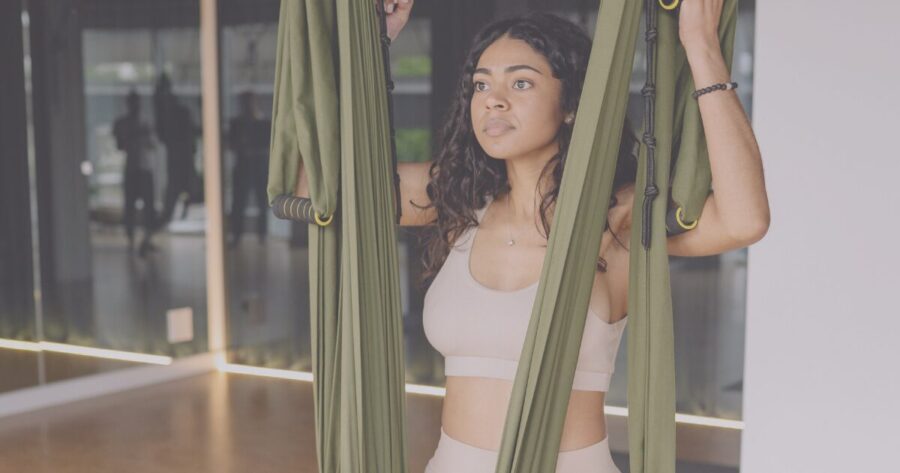
Aerial Yoga
Aerial Yoga combines traditional yoga postures with aerial arts using a suspended silk hammock for support, allowing practitioners to explore deeper stretches, inversions, and floating sequences with reduced joint pressure, while building core strength, improving balance, and experiencing the unique joy of moving in three-dimensional space.
What is Aerial Yoga?
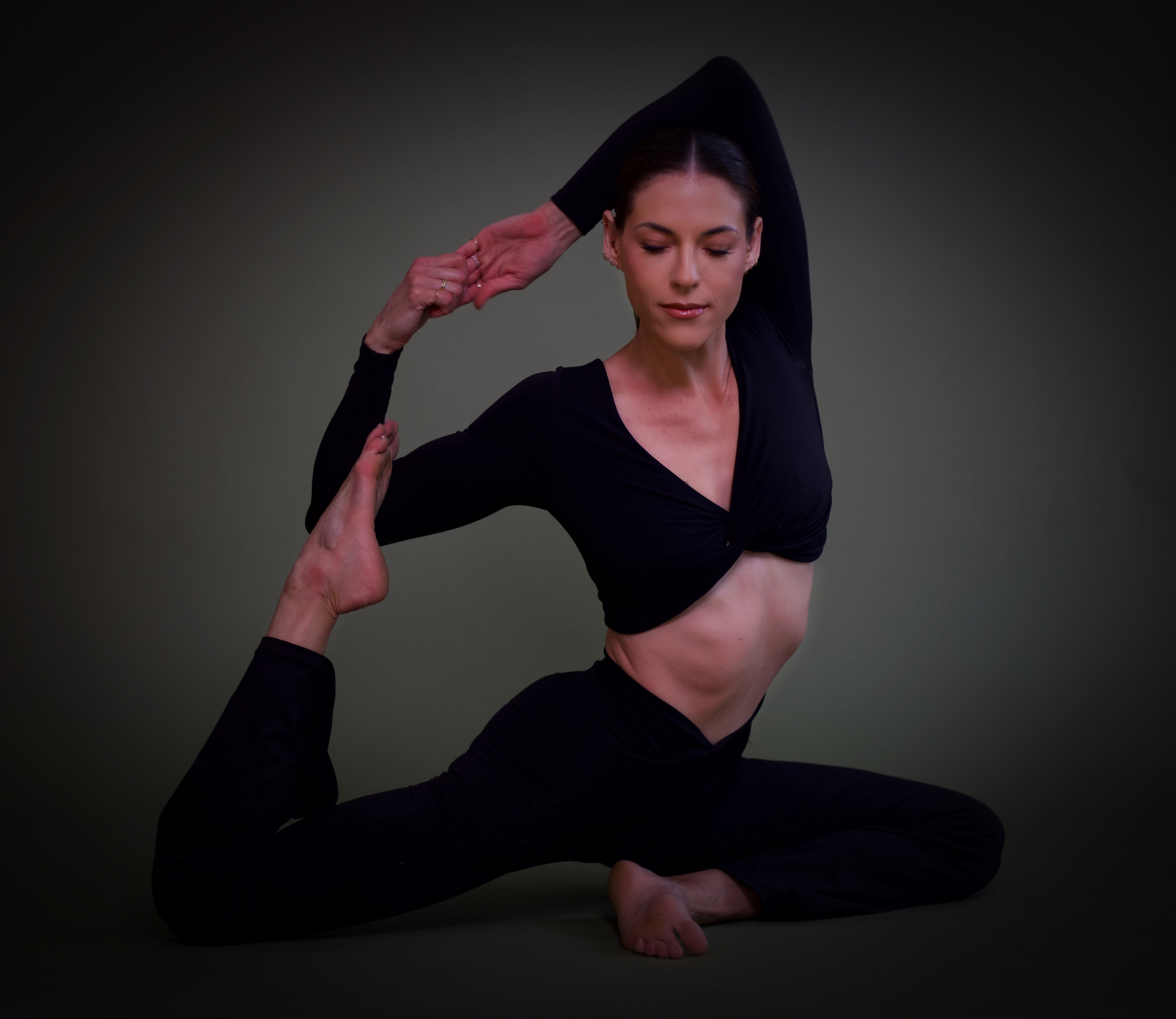
Aerial Yoga combines traditional yoga poses with the support of a fabric hammock suspended from the ceiling. This innovative practice allows you to explore inversions, deep stretches, and strengthening poses with reduced pressure on joints and spine. The hammock provides support, making challenging poses more accessible while adding an element of playful exploration. Whether you're flowing through gentle stretches or practicing full inversions, aerial yoga offers a unique way to build strength, improve flexibility, and experience yoga from a new perspective.
Quick Facts
Overview
What to Expect in an Aerial Yoga Class
Using a Fabric Hammock for Support
The silk hammock hangs from the ceiling and can support your full body weight. You'll use it to assist poses, deepen stretches, and explore inversions safely. It feels unstable at first—expect to wobble.
Inversions Made Accessible
Being upside down without the pressure on your head or neck opens inversions to practitioners who can't safely do headstands or handstands. The hammock supports you while your spine decompresses—it's therapeutic and slightly unnerving.
Playful, Exploratory Atmosphere
Aerial Yoga has a lighter vibe than traditional yoga. Teachers encourage experimentation and playfulness. You might spin, swing, or cocoon yourself in the fabric. If you need serious and solemn, this isn't it.
Spinal Decompression and Traction
Hanging upside down in the hammock creates gentle traction on the spine, relieving compression and tension. Many practitioners feel taller after class. It's one of the few yoga styles that delivers measurable spinal relief.
Aerial Yoga: Elevate Your Practice, Expand Your Perspective
Aerial Yoga invites you to take your practice off the ground and into the air using a silk hammock suspended from the ceiling. This innovative style blends traditional yoga asanas with principles from aerial arts, acrobatics, and Pilates, offering a gravity-defying experience that is both fun and deeply therapeutic.
The hammock becomes a versatile prop — acting as a sling for inversions, a support for balance, a cocoon for rest, and a tool to deepen stretches or add resistance. The result is a practice that challenges the body, expands proprioception, and brings a childlike sense of joy and curiosity.
Aerial Yoga is known for its spinal decompression benefits, allowing practitioners to experience traction and relief from compression in a safe and supported way — especially during inversions.
Origins of Aerial Yoga
Aerial Yoga emerged in the early 2000s through the work of performers and movement educators who saw the potential of aerial silks and yoga combined. Pioneers like Christopher Harrison (creator of AntiGravity® Fitness) and other aerialists began incorporating traditional yoga poses into the fabric — and a new genre of practice was born.
Since then, various schools and styles have evolved, each with their own approach — ranging from restorative and therapeutic to acro-inspired and fitness-based.
Style and Structure
Style:
Aerial Yoga blends asana, strength training, acrobatics, and mindfulness in a three-dimensional practice.
The silk hammock allows for:
- •Full-body support in postures
- •Suspension and inversion with reduced joint load
- •Dynamic movement and flow
- •Playful exploration of shapes and transitions
Depending on the class, the style may be:
- •Grounded and gentle (restorative or meditative)
- •Strength-focused (core, upper body, balance)
- •Flow-based (Vinyasa-like sequences in the air)
- •Inversion-heavy (spinal decompression, flips, and fun)
Structure:
A typical Aerial Yoga class may include:
- •Grounded centering and breathwork
- •Warm-up using the hammock at hip or knee height
- •Standing and balancing poses supported by the silk
- •Inversions (e.g., aerial Down Dog, Floating Baddha Konasana)
- •Core engagement and strength work
- •Floating savasana inside the hammock
Props (mats, blocks, straps) may still be used, but the hammock is the primary tool and anchor point.
Breath and Flow
Breath:
Breath plays a vital role in aerial yoga for:
- •Supporting transitions in and out of suspended poses
- •Calming the nervous system during inversions or novel movements
- •Cultivating body awareness in space
Teachers often cue steady, grounding breath to help students navigate the sensations of flying, stretching, or flipping.
Flow:
Flow in Aerial Yoga may feel:
- •Graceful and dance-like
- •Segmental and strength-focused
- •Playful and exploratory
- •Meditative and floaty (especially in slower or restorative styles)
Transitions often involve unique movement patterns: swivels, drops, wraps, and releases that aren’t found in mat-based yoga.
Pace, Focus and Teacher Role
Pace:
Pace varies by style:
- •Some classes are slow and fluid, focusing on deep stretch and awareness
- •Others are energized and acrobatic, building heat and challenging balance
Teachers typically allow space for acclimation, especially for beginners unfamiliar with inversions or silk navigation.
Focus:
Aerial Yoga develops:
- •Spinal decompression and back-body awareness
- •Core strength and body control
- •Flexibility, especially in the hips and shoulders
- •Balance and proprioception
- •Trust, both in the silk and in one’s own body
There is also often an emotional focus on play, courage, and releasing control.
Teacher Role:
Aerial Yoga teachers are:
- •Anchors of safety and technical guidance
- •Skilled in spotting and modifying poses
- •Creators of joyful and exploratory sequences
- •Attuned to student confidence and body awareness
A good aerial teacher will support students with step-by-step instruction and hold a container of fun, focus, and freedom.
Vibe:
The vibe in an Aerial Yoga class is:
- •Joyful and bold, yet deeply grounding
- •Encouraging and communal, as students cheer each other on
- •Safe and exploratory, with room to try new things and let go of fear
- •Often filled with laughter, awe, and a sense of wonder
It’s the yoga class where grown-ups get to play — and where transformation happens midair.
Benefits of Aerial Yoga
Aerial Yoga offers benefits across physical, mental, and energetic dimensions of practice.
Spinal Decompression & Pain Relief
Inversion poses allow gravity to gently stretch and decompress the spine, reducing pressure on vertebral discs and alleviating chronic back pain naturally.
Increased Flexibility
The hammock supports your body weight while you stretch, allowing you to achieve deeper poses and greater range of motion without straining muscles or joints.
Core Strength & Stability
Balancing in the unstable hammock constantly engages your core muscles, building functional strength that translates to better posture and injury prevention.
Upper Body Strength
Gripping, pulling, and holding positions in the hammock develops arm, shoulder, and back strength while maintaining a low-impact approach to fitness.
Improved Balance & Proprioception
Training your body to stabilize in three-dimensional space enhances spatial awareness and balance skills that benefit everyday activities.
Stress & Anxiety Reduction
The gentle swaying motion combined with mindful breathing activates the parasympathetic nervous system, promoting deep relaxation and mental calm.
Aerial Yoga vs. Other Yoga Styles
Aerial Yoga is different. Here's how it compares to mat-based styles that share similar movement principles.
| Feature | Aerial Yoga | Vinyasa | Hatha | Iyengar |
|---|---|---|---|---|
| Pace | Moderate playful | Moderate–Fast | Slow to moderate | Slow methodical |
| Sequence | Teacher-led creative | Breath-linked creative | Teacher-led varied | Themed structured sets |
| Equipment | Hammock (ceiling rig) | Mat only | Mat only | Mat + extensive props |
| Inversions | Built-in safe | Advanced optional | Optional | Methodical systematic |
| Spinal Decompression | Core benefit | None | None | Some (props) |
| Beginner-Friendly | ●●●○○ | ●●●○○ | ●●●●● | ●●●●● |
| Focus | Play & exploration | Flow & creativity | Balance & foundation | Alignment precision |
The hammock is both the limitation and the liberation of Aerial Yoga. It makes some poses safer and more accessible; it makes others irrelevant. It's its own thing entirely.
Who Is Aerial Yoga For?
Ideal for:
- Curious beginners wanting a playful introduction to movement
- Yogis looking to deepen flexibility or try safe inversions
- Athletes or dancers working on strength and mobility
- Those healing from joint pressure or spinal compression
- Anyone craving a light-hearted and liberating experience
May be challenging for:
- Those with vertigo, glaucoma, or spinal injuries (consult a teacher first)
- People uncomfortable with heights or novelty (though often this transforms with time!)
Frequently Asked Questions
Is aerial yoga safe for people who are afraid of heights?
Usually yes—and many people find it helps with that fear. The hammock hangs only 2–3 feet off the ground for most poses; even full inversions are only a few feet up. The silk is rated for 1,000+ pounds and is tested regularly. Fear of heights in aerial yoga tends to diminish quickly once practitioners realize they're fully supported. That said, if heights cause significant anxiety, start with a beginner class where inversions are optional and progress at your own pace.
Can I do aerial yoga if I'm not flexible?
Absolutely. The hammock assists flexibility rather than requiring it. In fact, many people find aerial yoga makes poses more accessible than mat-based yoga because the silk supports your weight and reduces joint compression. Beginners with limited flexibility are welcome—teachers offer modifications for every level. You don't need to be flexible to start; you develop flexibility through the practice.
What should I wear to an aerial yoga class?
Fitted clothing that covers your armpits and inner thighs. The silk hammock can be uncomfortable on exposed skin during inversions, and loose fabric can get tangled in the hardware. Avoid tops with zippers, buttons, or hardware that might snag the silk. No bare feet required—most practitioners prefer bare feet for grip, but socks are fine. Skip jewelry that might catch.
Are there health conditions that make aerial yoga unsafe?
Yes—several. Aerial yoga is not recommended for those with glaucoma or elevated eye pressure (inversions increase pressure), uncontrolled high blood pressure, recent surgery, vertigo, pregnancy (after the first trimester), or severe osteoporosis. Always disclose health conditions to your teacher before class. Many conditions have modifications that make the practice accessible; a qualified teacher will know how to adapt.
How many classes does it take to feel comfortable in the hammock?
Most students feel significantly more comfortable by their third or fourth class. The first class involves a lot of orienting to the fabric and overcoming the unfamiliarity of being suspended. By the second, movements start to feel more intuitive. By the fourth, most practitioners can follow a full class flow without stopping to figure out the hammock. Inversions may take longer—some students take a month before they feel ready to go upside down.
Conclusion
Aerial Yoga is an invitation to lift off — not just from the ground, but from limiting beliefs, tension, and habitual patterns. By blending the wisdom of yoga with the freedom of flight, it opens space for deeper stretch, higher strength, and a fresh sense of wonder.
It’s yoga with wings.
And it’s not about performing — it’s about possibility.
Explore Related Yoga Styles
If the playfulness of floating appeals to you, you may also enjoy the dynamic power of Vinyasa, where movement and breath create a seamless dance on the mat. If inversions spark your curiosity, Ashtanga offers a disciplined pathway into strength and upside-down exploration. But if the silks feel too adventurous, the grounding pace of Hatha or the alignment-based focus of Iyengar can provide a more rooted entry point. And for those craving inner stillness rather than flight, Yin Yoga invites you to soften, surrender, and expand from within.
Sources & Further Reading
- 1.Harrison, Christopher. “AntiGravity Fitness.” antigravityfitness.com
- 2.Harvard Health Publishing. “Yoga — Benefits Beyond the Mat.” harvard.edu
- 3.NIH NCCIH. “Yoga: What You Need To Know.” nccih.nih.gov
- 4.Yoga Alliance. “Aerial Yoga Standards.” yogaalliance.org
Lisa Marie
E-RYT 500
Lisa Marie is an E-RYT 500 certified yoga teacher with 20+ years of personal practice and 15+ years teaching. She specializes in Vinyasa, Hatha, and restorative practices, with training in the Ashtanga tradition. Lisa Marie is co-founder of Viveka Yoga Studio in Downtown Los Angeles.
Related Content
Continue your yoga journey with these related guides
Vinyasa Yoga
Dynamic flow on the mat—breath-synchronized movement that grounds Aerial's floating experience in traditional practice.
Explore Vinyasa →Yin Yoga
Deep passive stretching—complements Aerial's active flexibility work with meditative long holds and tissue release.
Explore Yin →Rocket Yoga
Accessible arm balances and inversions—playful Ashtanga modifications sharing Aerial's approach to challenging poses.
Explore Rocket →Find Your Perfect Aerial Yoga Class
Connect with experienced aerial yoga teachers and studios in your area.
Search Classes →