
26+2 Hot Yoga
A challenging practice of 26 postures and 2 breathing exercises performed in a room heated to 105°F with 40% humidity. This intense, standardized sequence builds exceptional flexibility, cardiovascular endurance, and mental fortitude.
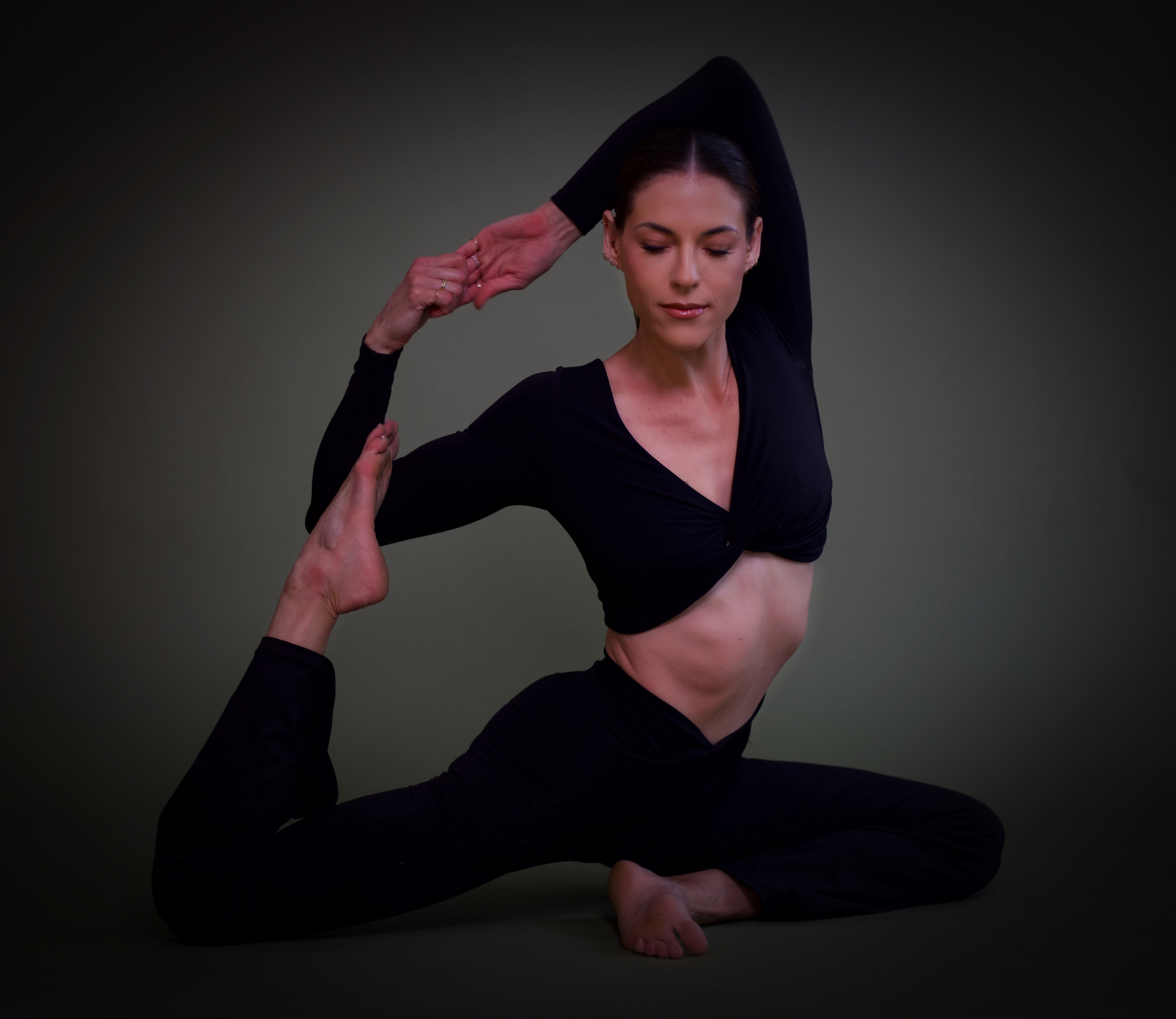
What is 26+2 Hot Yoga?
26+2 Hot Yoga, also known as Bikram Yoga, is one of the most distinctive and challenging styles of yoga practiced today. Characterized by its fixed sequence of 26 postures and 2 breathing exercises performed in a room heated to 105°F (40.6°C) with 40% humidity, this practice offers a uniquely intense physical and mental experience that has captivated millions of practitioners worldwide.
Unlike more fluid or varied yoga styles, 26+2 Hot Yoga follows the exact same sequence in every class, regardless of where in the world you practice. This standardization creates a meditative quality through repetition while the heat amplifies the physical challenge, promoting flexibility, detoxification, and cardiovascular conditioning in ways that room-temperature yoga cannot replicate.
In this comprehensive guide, we will explore the history and origins of this practice, break down its unique structure and methodology, examine the specific benefits and challenges of practicing in heat, and help you determine whether this intense style is right for your yoga journey.
Overview
What to Expect in a 26+2 Hot Yoga Class
Intense Heat
The room is heated to 105°F with 40% humidity. This environment is designed to warm muscles for deeper, safer stretching and promote profuse sweating for detoxification. First-timers often find it overwhelming, but regular practitioners adapt and come to appreciate the heat's benefits.
Fixed Sequence
Every class follows the same 26 postures and 2 breathing exercises in the exact same order. This consistency allows you to track progress in each posture over time and creates a meditative quality through repetition.
Standardized Dialogue
Teachers deliver a specific, memorized dialogue that provides precise alignment cues and timing. This ensures consistent instruction across all studios and allows teachers to focus on observing and correcting students.
90-Minute Duration
Classes are always 90 minutes long, moving through the standing series (first half) and floor series (second half). Most postures are performed twice - the first set to warm up, the second to go deeper.
The Origins and Evolution of 26+2 Hot Yoga
Bikram Choudhury and the Birth of a Method
The 26+2 sequence was developed by Bikram Choudhury in the early 1970s. Born in Calcutta, India in 1944, Bikram began studying yoga at the age of four with renowned teacher Bishnu Ghosh, brother of Paramahansa Yogananda. As a young man, Bikram was a champion weightlifter and yoga practitioner until a devastating weightlifting injury left doctors skeptical about his ability to walk again.
Working intensively with his guru Bishnu Ghosh, Bikram developed a specific sequence of postures performed in a heated environment. The therapeutic combination of traditional Hatha Yoga postures with heat for deeper stretching and healing proved remarkably effective in his rehabilitation. The success of his recovery inspired him to refine this method into a systematized practice.
From Bikram to 26+2: A Name Evolution
In 1971, Bikram arrived in the United States and began teaching his method in California. By the 1980s and 1990s, Bikram Yoga had spread internationally, with studios opening across the globe following the exact same 26-posture sequence.
In recent years, many studios and teachers have shifted to the name “26+2 Hot Yoga” or simply “Hot Yoga” to distance the practice from controversies surrounding Bikram Choudhury personally—while preserving the methodology itself. Regardless of the name used, the practice remains fundamentally the same: 26 postures plus 2 breathing exercises, in a room heated to approximately 105°F with 40% humidity.
Regardless of the name used, the practice remains fundamentally the same: 26 postures plus 2 breathing exercises, performed in the same order, in a room heated to approximately 105°F with 40% humidity. This consistency is one of the defining features of the practice, allowing students to deepen their understanding through repetition rather than variation.
Style and Structure: The 26+2 Sequence
The Philosophy of Standardization
Unlike most yoga styles where teachers have creative freedom to design their sequences, 26+2 Hot Yoga maintains absolute consistency in its structure. Every class begins with the same breathing exercise, proceeds through the same 26 postures in the same order, and concludes with the same final breathing exercise. This standardization serves multiple purposes:
- ▸Progressive Development: Each posture prepares the body for the next, systematically warming and stretching every muscle, tendon, and ligament.
- ▸Meditative Repetition: Knowing exactly what comes next allows practitioners to move beyond thinking about the sequence and into deeper mind-body awareness.
- ▸Universal Experience: Students can practice anywhere in the world and experience the same class, creating a sense of global community.
- ▸Measurable Progress: The consistent sequence allows practitioners to track their development over time in each specific posture.
The 26 Postures and 2 Breathing Exercises
A typical 26+2 Hot Yoga class lasts 90 minutes and follows this exact structure: Postures are practiced in the same order, every time, with a precise alignment focus and set timing.
No music is played. No flow sequences are introduced. The repetition is part of the method — promoting discipline, focus, and measured self-improvement.
Opening Breathing Exercise
Pranayama Deep Breathing (Standing Deep Breathing): The class begins with this energizing breathing exercise designed to increase lung capacity, oxygenate the blood, and prepare the body for the physical practice ahead.
The Standing Series (First Half)
Following the opening breathing exercise, the standing series begins—postures that build heat, strength, and cardiovascular endurance:
The Floor Series (Second Half)
After Savasana (rest), the class transitions to the floor series, focusing on deeper stretching, spinal health, and opening:
Watch: 26+2 Hot Yoga Sequence
The Role of Heat
The heated environment is not merely an add-on to the practice—it's an integral component that fundamentally changes the experience and benefits:
- •Increased Flexibility: Heat warms muscles, tendons, and ligaments, allowing for deeper, safer stretching than possible in room temperature.
- •Cardiovascular Challenge: The body works harder to regulate temperature, elevating heart rate and providing cardiovascular conditioning.
- •Detoxification: Profuse sweating helps eliminate toxins through the skin, the body's largest organ.
- •Mental Training: The intensity of the heat challenges mental fortitude, teaching practitioners to remain calm and focused under stress.
- •Injury Prevention: Warm muscles are less prone to injury, allowing practitioners to work deeper safely.
The specific temperature of 105°F with 40% humidity was carefully selected to optimize these benefits while remaining safe for most healthy practitioners. This environment mirrors the climate of India where yoga originated, creating what Bikram called "a moving meditation in a torture chamber."
Breath and Flow
Breath
Breath control, or pranayama, is central to 26+2 Hot Yoga. The practice includes two formal pranayama exercises—one at the beginning and one at the end—plus specific breathing instructions throughout the postures.
The opening breathing exercise, Standing Deep Breathing, is designed to increase lung capacity, oxygenate the blood, and prepare the body for the physical work ahead. The closing breathing exercise, kapalabhati (Blowing in Firm), uses rapid exhalations to cleanse the respiratory system and energize the body after practice.
Throughout the standing series, practitioners are instructed to breathe normally using “80-20 breathing”—inhaling 80% through the nose and 20% through the mouth. This technique helps regulate body temperature in the extreme heat, prevents dizziness, and maintains oxygenation through challenging postures.
The Two Pranayama Exercises
The formal breathing exercises bookend the physical practice:
- ▸Standing Deep Breathing (Pranayama): Six sets of deep inhalations and exhalations with arms raised and lowered, expanding lung capacity and oxygenating the blood before the physical practice.
- ▸Blowing in Firm (Kapalbhati): Rapid, forceful exhalations that cleanse the respiratory system and energize the body at the end of practice.
Flow
Unlike Vinyasa or Ashtanga yoga, 26+2 Hot Yoga has no “flow” in the traditional sense of smooth, continuous movement linking postures together. There are no sun salutations, no chaturanga transitions. Each posture is performed individually, held for a specific duration, then released.
However, there is an internal flow—a systematic progression through the sequence that methodically warms, stretches, and strengthens every muscle, tendon, ligament, organ, and gland in the body. The “flow” is conceptual rather than physical: each posture prepares the body for the next in a carefully designed therapeutic progression.
Brief rest periods occur between postures in the floor series (Savasana). The practice is about depth within each posture—not continuous movement. This static approach allows practitioners to go deeper into each posture and find stillness even in challenge. (Pace, Focus, and Teacher Role are discussed in detail at the end of this guide.)
Pace, Focus, and Teacher Role
Pace: Vigorous Yet Controlled
The pace of a 26+2 class is intense and continuous, yet controlled and deliberate. Unlike the rapid transitions of Vinyasa flow, the intensity comes from holding time (postures held for extended periods—often 30 seconds to one minute), repetition (each posture performed twice), and minimal rest (brief rests between postures keep the heart rate elevated throughout the 90 minutes). The standing series is cardiovascularly demanding, pushing practitioners to 70–80% of non-maximum heart rate. The floor series, while less intense cardio-wise, requires deep stretching of spinal work when muscles are extremely warm.
Physical Focus
- ·Precise alignment—each posture has specific alignment points emphasized through standardized dialogue
- ·Full-body engagement—every muscle, joint, organ, and gland worked systematically
- ·Spinal health—multiple backbends, forward bends, and twists promote spinal flexibility and strength
- ·Balance and stability—several challenging balancing postures develop proprioception
Mental & Emotional Focus
- ·Mental fortitude—learning to stay calm, focused, and positive in intense heat
- ·Consistency—showing up for the same 90-minute practice repeatedly cultivates commitment
- ·Presence—the challenge demands complete attention; there's no mental room for distraction
- ·Ego management—mirrors and standardized postures can trigger comparison, teaching practitioners to focus on personal progress
Therapeutic Focus
- ·Detoxification—profuse sweating eliminates toxins through the skin
- ·Compression and extension—the sequence systematically compresses and extends every organ
- ·Circulation—cardiovascular demand and heat improve circulation throughout the body
- ·Lymphatic drainage—movement and heat promote lymph flow
Teacher Role
The teacher's role is directive and supportive. They:
- •Guide the entire class through set dialogue (a hallmark of this style)
- •Emphasize correct alignment and endurance
- •Maintain consistent pacing for the group
- •Motivate students to push through heat and discomfort safely
Variations or personal flair are rare; the goal is consistency, not creativity.
Vibe and Community
The vibe of a 26+2 class is:
- •Intense: The heat, repetition, and focus create a crucible-like effect
- •Minimalist: No music, no flashy flows, just you, the postures, and the mirror
- •Discipline-focused: Perfect for those who thrive on structure and internal challenge
- •Welcoming yet rigorous: Teachers often say "Just stay in the room" to support beginners
The community often values personal accountability, mental resilience, and transformation through effort.
Benefits of 26+2 Hot Yoga
26+2 Hot Yoga offers benefits across physical, mental, and respiratory dimensions of practice.
Deepens Flexibility Safely
Practicing in a heated room warms muscles and connective tissues, allowing for greater range of motion without strain.
Builds Strength and Endurance
Holding poses in higher temperatures challenges muscles and stamina—cultivating both physical and mental resilience.
Enhances Circulation and Detoxification
The heat boosts blood flow and supports natural detoxification through sweat, promoting a healthy, radiant glow.
Trains Focus and Mental Discipline
Hot Yoga demands concentration—teaching you to stay calm, centered, and steady in challenging conditions.
Strengthens the Respiratory System
Breath control is key in a heated space; over time, you'll build greater lung capacity and smoother, more mindful breathing.
Improves Cardiovascular Health
The combination of movement, breath, and heat gently elevates heart rate—enhancing cardiovascular fitness while maintaining mindfulness.
26+2 Hot Yoga vs. Other Yoga Styles
Hot Yoga stands apart through its fixed sequence and extreme heat. Here's how it compares to styles students often consider alongside it.
| Feature | 26+2 Hot Yoga | Ashtanga | Power Yoga | Yin Yoga |
|---|---|---|---|---|
| Pace | Vigorous, continuous | Moderate–fast | Fast | Very slow |
| Sequence | Fixed, always same | Fixed 6 series | Creative, varies | Unstructured |
| Room Temp | 105°F / 40% humidity | Room temp | 85–95°F (often) | Room temp |
| Pose Holds | 30s – 1 min (×2) | 5 breaths | 3–5 breaths | 3–10 minutes |
| Cardio | High | Moderate–high | Very high | None |
| Beginner-Friendly | ●●●○○ | ●●○○○ | ●●○○○ | ●●●●● |
| Focus | Heat, detox, discipline | Discipline, strength | Strength, cardio | Deep tissue release |
The defining variable in Hot Yoga is the heat itself—it changes the physiological and mental experience entirely. Same poses, radically different practice.
Who Is 26+2 Hot Yoga For?
26+2 Hot Yoga is ideal for:
Heat Lovers
Those who enjoy saunas, hot tubs, or warm climates and don't mind sweating profusely.
Athletes & Fitness Enthusiasts
Those seeking a serious physical challenge that builds strength, flexibility, and endurance.
Structure Seekers
Those who appreciate consistency and find comfort in knowing exactly what to expect.
Injury Recovery
Those rehabilitating from injuries (with doctor's approval). The practice was originally designed for healing.
Mental Toughness Builders
Those wanting to develop mental discipline and resilience. Pushing your limits in 105°F provides controlled mental challenges that test you and build psychological training.
Community-Oriented
Those who thrive in a motivated community. 26+2 practitioners often form close bonds through shared challenge—creating supportive, committed communities around shared practice.
Weight Management
Those seeking significant calorie burn alongside yoga benefits. The combination of intense heat and 60–90 minutes of continuous activity can burn 400–1000 calories per session.
Goal-Oriented Individuals
Those motivated by progress and achievement. The same sequence every class allows you to track your development in each posture over time, providing measurable goals.
Who Should Approach with Caution
While 26+2 Hot Yoga offers tremendous benefits, it's not appropriate for everyone. Consider alternative practices if you:
- •Have uncontrolled high blood pressure or cardiovascular conditions
- •Are pregnant (heat can be dangerous for fetal development)
- •Have heat sensitivity or difficulty regulating body temperature
- •Experience frequent dizziness or fainting
- •Have severe respiratory conditions
- •Are new to exercise and need to build baseline fitness first
- •Strongly dislike heat or become irritable in hot environments
- •Prefer varied, creative sequences over repetition
If you're unsure whether 26+2 Hot Yoga is safe for you, consult with your physician before beginning. Many studios offer introductory packages that allow you to try several classes to determine if the practice resonates with you.
Frequently Asked Questions
How hot is the room in 26+2 Hot Yoga?
The room is heated to 105°F (40.6°C) with 40% humidity. This specific temperature was carefully selected to optimize flexibility, cardiovascular benefits, and detoxification while remaining safe for most healthy practitioners.
How long is a 26+2 Hot Yoga class?
Classes are always 90 minutes long. The first half consists of the standing series, and the second half is the floor series. Each posture is performed twice—the first set to warm up, the second to go deeper.
What's the difference between Bikram Yoga and 26+2 Hot Yoga?
They are essentially the same practice. Many studios have shifted to the name "26+2 Hot Yoga" to distance the practice from controversies surrounding Bikram Choudhury personally, while preserving the methodology. The sequence, temperature, and structure remain identical.
Do I need to be flexible to start?
No. The heated environment actually helps you develop flexibility safely. Many practitioners start with limited range of motion and gradually build flexibility over time. The heat warms muscles and connective tissues, allowing for deeper, safer stretching than possible at room temperature.
How many calories do you burn in a Hot Yoga class?
A typical 90-minute 26+2 Hot Yoga class can burn 400–1000 calories per session, depending on body weight, effort level, and individual metabolism. The combination of intense heat and continuous practice creates significant cardiovascular demand.
Can I leave the room if it gets too hot?
While you can leave if absolutely necessary, teachers often encourage students to "just stay in the room" and rest in Savasana (lying down) if needed. Staying in the heat helps your body adapt over time. However, always listen to your body—if you feel dizzy, nauseous, or faint, it's important to leave and cool down.
What should I bring to class?
Bring plenty of water (at least 24 oz), a yoga mat, and a large towel to place over your mat (you'll sweat profusely). Wear minimal, breathable clothing—shorts and a sports bra or tank top are common. Avoid eating a large meal 2-3 hours before class.
How often should I practice?
Beginners often start with 2-3 classes per week to allow the body to adapt to the heat. Regular practitioners may practice 4-6 times per week. The consistent sequence makes it easy to maintain a regular practice, and many find that frequency helps them adapt to the intensity more quickly.
Conclusion
26+2 Hot Yoga represents one of the most distinctive and challenging approaches to yoga practice available today. The unwavering commitment to a fixed sequence, performed in extreme heat, creates an experience unlike any other style—one that demands physical endurance, mental fortitude, and complete presence.
For those who embrace its intensity, the practice offers profound rewards: exceptional flexibility developed in the heat, cardiovascular fitness that carries into daily life, and the strange, meditative quality that emerges from performing the exact same sequence, in uncomfortable conditions, to get something genuinely difficult done. The repetition that might seem monotonous to some becomes meditative to practitioners, allowing them to go deeper physically and mentally with each class.
Whether you're an athlete seeking to improve flexibility and prevent injury, someone rehabilitating from a physical setback, or simply someone drawn to challenge—26+2 Hot Yoga offers a clear, proven path. Each class offers the same 90 minutes of heat that might feel impossibly long. But as you return, class after class, you'll witness your body opening in ways you didn't think possible, and your mind growing quieter despite the intensity.
Sources & Further Reading
- 1.Choudhury, Bikram. Bikram’s Beginning Yoga Class. Tarcher/Putnam, 2000.
- 2.Harvard Health Publishing. “Yoga — Benefits Beyond the Mat.” harvard.edu
- 3.NIH NCCIH. “Yoga: What You Need To Know.” nccih.nih.gov
- 4.Pettit, Ida Jo. “Hot Yoga: Benefits and Risks.” hotYOGAdoctor.com
Lisa Marie
E-RYT 500
Lisa Marie is an E-RYT 500 certified yoga teacher with 20+ years of personal practice and 15+ years teaching. She specializes in Vinyasa, Hatha, and restorative practices, with training in the Ashtanga tradition. Lisa Marie is co-founder of Viveka Yoga Studio in Downtown Los Angeles.
Related Content
Continue your yoga journey with these related guides
Power Yoga
Intense strength-building practice—hot yoga's athletic cousin combining cardio and muscle engagement in dynamic sequences.
Explore Power Yoga →Ashtanga Yoga
Fixed sequence like hot yoga, but at room temperature—rigorous, disciplined practice building internal heat through breath and movement.
Explore Ashtanga →Restorative Yoga
Deep rest through prop-supported poses—gentle recovery practice perfect for balancing hot yoga's intensity with therapeutic stillness.
Explore Restorative →26+2 Hot Yoga Studios Near You
Top-rated studios offering 26+2 Hot Yoga classes
Find Your Perfect Hot Yoga Class
Connect with experienced hot yoga teachers and studios in your area.
Search Classes →