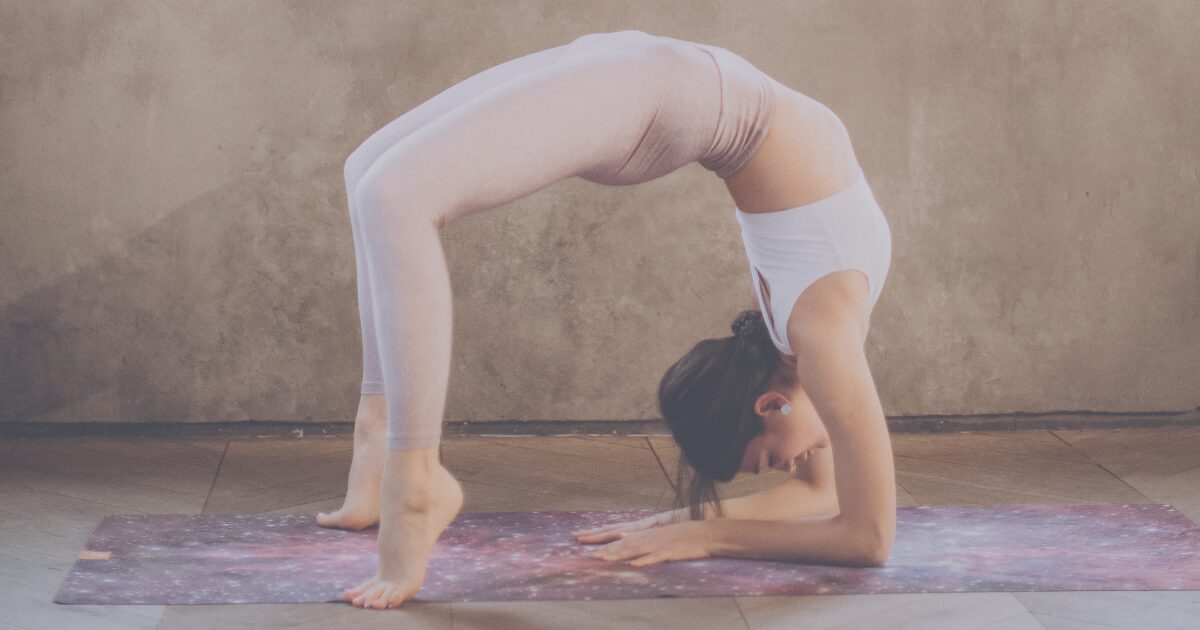
Power Yoga
Power Yoga is a vigorous, fitness-based approach that builds strength, endurance, and flexibility through a dynamic flow of postures, incorporating elements of Ashtanga in a less rigid format, emphasizing continuous movement, core engagement, and cardiovascular conditioning for a challenging full-body workout.
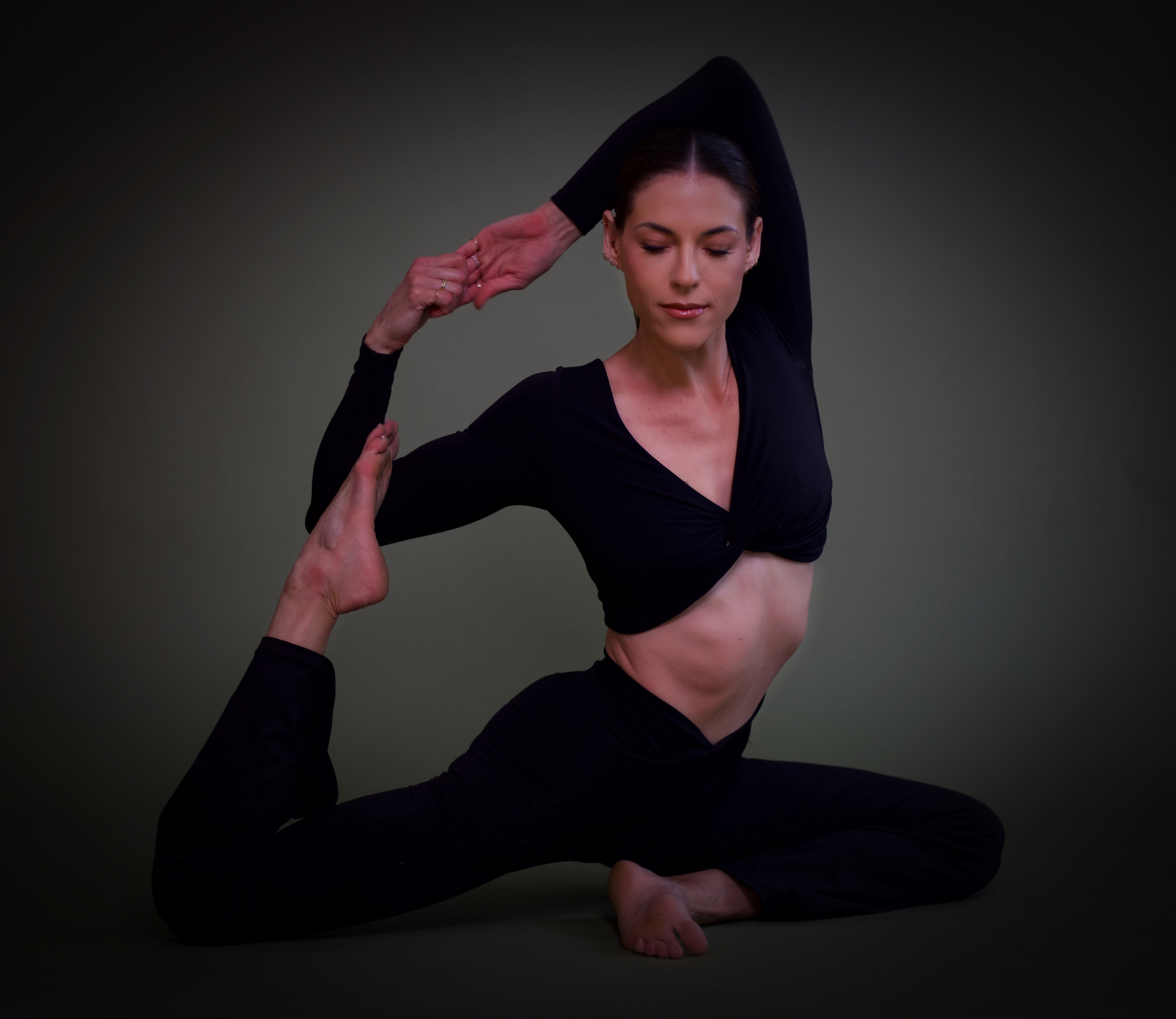
What is Power Yoga?
Power Yoga is an athletic, fitness-oriented practice rooted in Ashtanga Vinyasa but adapted for strength building, cardiovascular conditioning, and full-body workout intensity. Developed in the 1990s by teachers like Bryan Kest and Baron Baptiste, Power Yoga removes the fixed sequences of Ashtanga, giving teachers creative freedom to design challenging flows set to energizing music. Fast-paced and physically demanding, classes emphasize strength, endurance, flexibility, and mental resilience—making it a favorite for athletes and fitness enthusiasts seeking both physical challenge and mindful movement.
Quick Facts
Overview
What to Expect in a Power Yoga Class
High-Intensity Workout
Power Yoga will make you sweat. Expect challenging sequences that build heat quickly, push your cardiovascular system, and test your endurance. This isn't gentle yoga—it's a full-body workout. You'll hold poses for strength, flow quickly between them for cardio, and finish feeling physically worked. If you're looking for athletic challenge, you'll find it here.
Creative Sequencing
Unlike Ashtanga's fixed series, Power Yoga teachers design their own sequences. One class might focus on core strength, another on hip openers, another on arm balances. You won't know what's coming, which keeps the practice fresh. Teachers often incorporate music, motivational cues, and creative transitions. The structure is loose enough to feel modern, but disciplined enough to feel like yoga.
Strength Over Spirituality
Power Yoga is fitness-forward. There's less emphasis on philosophy, meditation, or spiritual language than traditional styles. Classes are goal-oriented—building strength, increasing flexibility, improving endurance. That doesn't mean it's not mindful (the breath-to-movement connection is still central), but the focus is physical transformation. If you're more interested in push-ups than philosophy, Power Yoga delivers.
Fast Pace, Minimal Rest
Expect continuous movement with minimal breaks. Transitions are quick, rest periods are brief, and the energy stays high throughout. Teachers cue rapidly, so you need to stay present and focused. If you zone out, you'll lose the thread. The fast pace builds mental discipline as much as physical strength—you have to stay with it or you'll fall behind.
Power Yoga: Strength, Flow, and Full-Body Activation
Power Yoga is a modern, dynamic form of yoga designed to offer a full-body workout that challenges both body and mind. Developed in the 1990s by teachers like Bryan Kest and Baron Baptiste, Power Yoga draws inspiration from the Ashtanga Vinyasa system but removes the rigid sequence, creating a more flexible and fitness-forward style.
This practice is ideal for those who want to:
- Build muscle tone and functional strength
- Boost cardiovascular endurance
- Improve flexibility and focus
- Sweat, move, and release energy in an empowering way
While deeply physical, Power Yoga retains the spiritual roots of yoga through breath awareness, presence, and inner discipline.
Origins of Power Yoga
Power Yoga originated as a Western evolution of traditional Ashtanga Yoga, created by teachers who wanted to preserve the intensity and structure of Ashtanga while allowing for more creative sequencing and accessibility.
- Bryan Kest’s Power Yoga focused on intuitive movement, strength, and self-awareness
- Baron Baptiste’s Baptiste Yoga emphasized transformation, personal empowerment, and community
Today, Power Yoga encompasses a broad spectrum of approaches — from fitness-style classes in gyms to mindful flows in modern yoga studios.
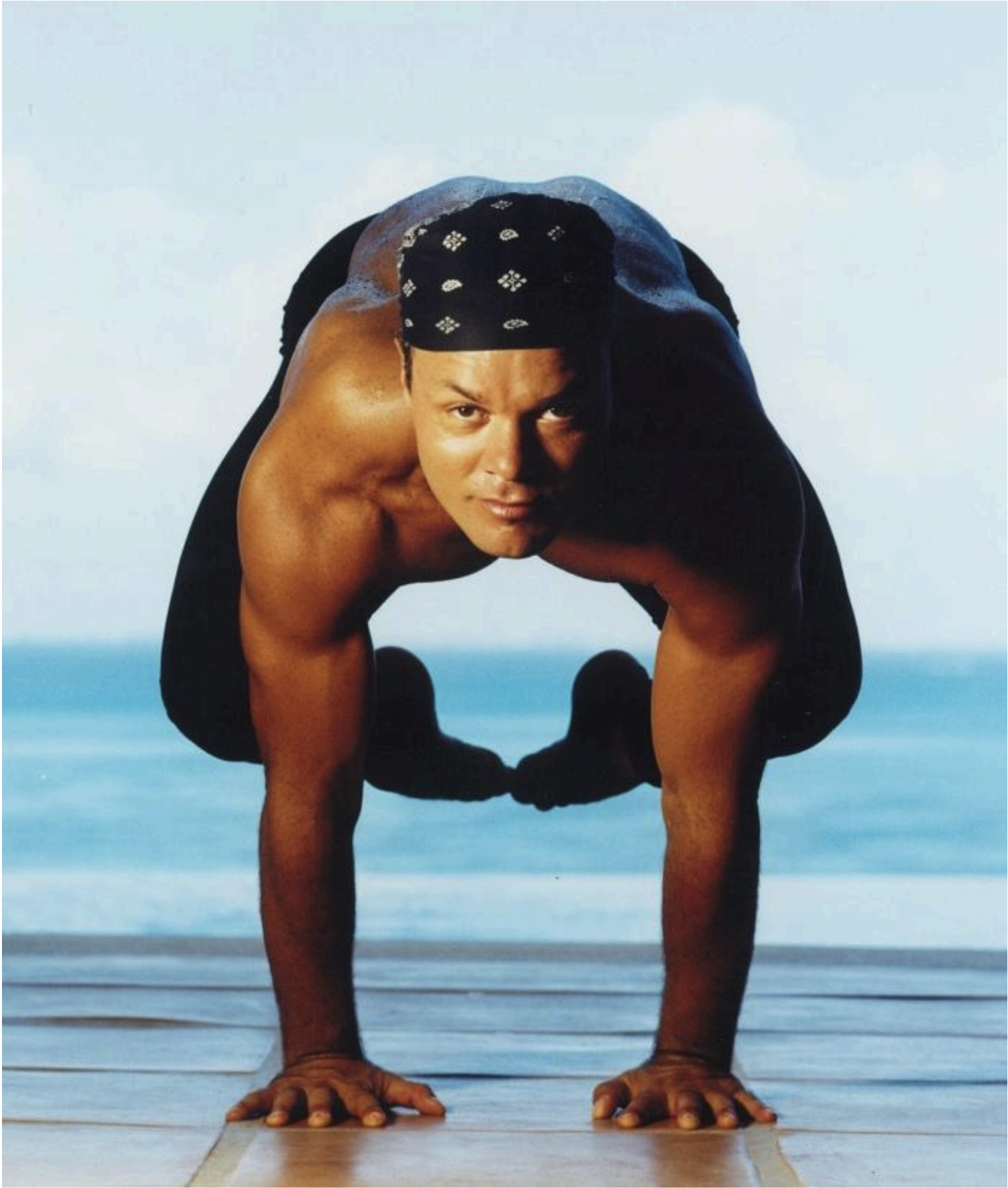
Style and Structure
Style:
Power Yoga is:
- •Physically rigorous, often incorporating strength-building poses
- •Fast-moving and breath-connected, with minimal downtime
- •Rooted in Vinyasa, but more athletic and less focused on traditional sequencing
- •Typically practiced in a heated or warm room to encourage sweat and detoxification
Structure:
Classes often include:
- •Breath-centered centering or warm-up
- •Sun Salutation variations to build heat
- •Strong standing poses (e.g., Warrior series, lunges, chair)
- •Core work, arm balances, and inversions
- •Backbends, hip openers, and deep stretches
- •A short savasana or cool-down at the end
Sequences are adaptable, depending on the teacher’s style and the class focus.
Watch: Full Power Yoga Class Example
Breath and Flow
Breath:
Ujjayi breath is typically used throughout to:
- •Sustain energy and endurance
- •Deepen mental focus and awareness
- •Maintain internal heat and flow
Breath control is essential — especially when the body is moving quickly and the heart rate is elevated.
Watch: Ujjayi Breath Tutorial
Flow:
Flow is:
- •Continuous and rhythmic, often with music to drive momentum
- •Designed to build progressively toward peak poses
- •Less about holding shapes and more about moving with control and strength
- •Balanced with moments of pause or stretch, especially in cool-down segments
Pace, Focus and Teacher Role
Pace:
Classes are:
- •Fast-paced, especially in flow-based warmups or peak segments
- •High-intensity, often mirroring the pacing of a fitness class
- •Occasionally interspersed with moments of stillness to deepen or reset
Power Yoga isn’t rushed — but it is relentlessly strong and efficient.
Focus:
Primary focus includes:
- •Strength and endurance (especially in the core, arms, and legs)
- •Flexibility, particularly in hips, hamstrings, and shoulders
- •Mental toughness and clarity under pressure
- •Breath control and body awareness during intense movement
- •A sense of empowerment and discipline
Teacher Role:
Power Yoga teachers are:
- •Energetic, motivational, and precise
- •Skilled at cueing alignment, transitions, and pacing
- •Often incorporate themes of empowerment, growth, and personal transformation
- •Create a fitness-meets-mindfulness environment
- •Encourage students to push past limitations with self-respect and intention
Vibe and Community
The vibe in a Power Yoga class is:
- Strong and sweaty, often with upbeat music and group energy
- Driven and motivating, like a movement-based pep talk
- Supportive and inspiring, with room for challenge and triumph
- Less about mysticism, more about personal growth through physical effort
Community is often:
- Athletic, growth-oriented, and dedicated
- Inclusive of those new to yoga through the fitness gateway
- United by the shared challenge of showing up and pushing through
Benefits of Power Yoga
Power Yoga offers benefits across physical, mental, and energetic dimensions of practice.
Builds Total-Body Strength
Power Yoga uses your own body weight for resistance, building balanced strength throughout the entire body—functional strength that serves you in daily life and beyond.
Boosts Cardiovascular Endurance
Continuous flow keeps your heart pumping while you move mindfully—blending the benefits of yoga and aerobic training into one powerful practice.
Increases Mobility and Flexibility
Dynamic sequences warm the body and open tight muscles, expanding range of motion through strength rather than force—sustainable flexibility that lasts.
Enhances Core Stability
Nearly every pose engages the midline—improving balance, posture, and overall body control both on and off the mat.
Elevates Energy and Mood
The combination of breath, movement, and intensity floods the body with endorphins—leaving you clear, focused, and genuinely uplifted.
Builds Mental Resilience
Holding challenging poses teaches how to stay centered under pressure—cultivating calm within intensity and strength within challenge.
Power Yoga vs. Other Yoga Styles
Power Yoga sits at the athletic end of the yoga spectrum. Here's how it compares to the styles students most often weigh it against.
| Feature | Power Yoga | Vinyasa | Ashtanga | Hot Yoga |
|---|---|---|---|---|
| Pace | Fast, high-intensity | Moderate–fast | Moderate, consistent | Vigorous, set |
| Sequence | Creative, varies | Creative, varies | Fixed series | Fixed, always same |
| Cardio | Very high | High | Moderate–high | High |
| Pose Holds | 3–5 breaths | 5–10 breaths | 5 breaths | 30s – 1 min |
| Heat | Often 85–95°F | Usually room temp | Room temp | 105°F required |
| Beginner-Friendly | ●●○○○ | ●●●○○ | ●●○○○ | ●●●○○ |
| Focus | Strength, fitness | Flow & creativity | Tradition, discipline | Detox, heat endurance |
Power Yoga is yoga filtered through a fitness lens. If the physical benefits of yoga are your entry point, it's an honest and effective gateway—even if the philosophy takes a back seat.
Who Is Power Yoga For?
Ideal for:
- Athletes or fitness enthusiasts looking to deepen flexibility and breath
- Yogis who enjoy strong, fast-moving flows
- Anyone craving a sweaty, full-body practice with a clear focus
- Students who want the discipline of yoga with the intensity of a workout
- Those working on mental fortitude, grit, and inner strength
May not suit:
- Those with injuries or needing a gentle, slower practice
- Students seeking a more spiritually or philosophically oriented class (though these can be woven in)
Frequently Asked Questions
Is Power Yoga good for weight loss?
Yes—it's one of the more effective yoga styles for calorie burn and metabolic activation. A vigorous 60-minute Power Yoga class can burn 300–600 calories depending on intensity, body weight, and the specific class. More importantly, consistent practice builds lean muscle mass, which raises your resting metabolic rate. That said, nutrition remains the primary driver of weight management. Power Yoga is a powerful complement to a healthy diet, not a standalone solution.
Can beginners do Power Yoga?
With caution. Most Power Yoga classes are labeled intermediate for good reason—the pace is fast, the transitions assume some familiarity with Sun Salutations and Chaturanga, and there's less time for modification explanations. If you're new to yoga, building a foundation in Vinyasa or Hatha for 3–6 months first will make Power Yoga significantly more accessible and safer. If you do start with Power Yoga, look for classes specifically labeled "Power Yoga for Beginners" and tell your teacher it's your first class.
How is Power Yoga different from Vinyasa?
Power Yoga is essentially an athletic subspecies of Vinyasa. Both use breath-synchronized flowing sequences; the difference is intensity and emphasis. Power Yoga is faster, includes more strength-building poses (Plank, Chaturanga, Chair Pose held longer), often uses heat, and is explicitly fitness-forward. A gentle Vinyasa class and a Power Yoga class can feel like different practices entirely. The overlap lies in the flow mechanics; the divergence lies in physical demand and intention.
Do I need to be strong to start Power Yoga?
No—but you'll get stronger through the practice. Power Yoga builds strength progressively. Early classes will be challenging; that's normal. The muscles you need—core, arms, shoulders, legs—develop through the practice itself. Most teachers offer Chaturanga modifications (knees down, cobra instead of upward dog) for students still building upper body strength. The only thing you truly need to start is willingness to sweat and tolerance for feeling temporarily out of your depth.
How often should I practice Power Yoga?
Two to four times per week is optimal for most practitioners. This frequency allows sufficient recovery between sessions while maintaining the progressive strength gains that make the practice rewarding. Daily Power Yoga without rest is not recommended—the physical demands require recovery time, especially for the connective tissue that adapts more slowly than muscle. Balance intense sessions with gentler practices: a Yin class, a Restorative class, or simply a rest day. The contrast makes both practices more effective.
Conclusion
Power Yoga is yoga reimagined as full-body empowerment. It’s about building heat, strength, and clarity — not just physically, but emotionally and mentally.
This is where breath meets fire, where challenge becomes transformation, and where the mat becomes a training ground for showing up powerfully in your life.
No chanting required — just you, your breath, and the willingness to sweat through the story.
Explore Related Yoga Styles
If you love the athletic edge of Power Yoga but want more tradition and structure, Ashtanga Yoga provides a disciplined series that builds strength and focus. If you crave similar intensity in a heated environment, Hot Yoga offers a fiery and purifying practice. For those who want creative sequencing with less rigidity, Vinyasa Yoga brings freedom and flow. If alignment and mindful detail are important to you, Iyengar Yoga offers precision and clarity. And if balance to the fire is what you need, Yin Yoga provides a cool, meditative counterpoint — inviting surrender, stillness, and deep release.
Sources & Further Reading
- 1.Kest, Bryan. Power Yoga. poweryoga.com
- 2.Baptiste, Baron. Journey Into Power. Fireside, 2002.
- 3.Harvard Health Publishing. “Yoga — Benefits Beyond the Mat.” harvard.edu
- 4.NIH NCCIH. “Yoga: What You Need To Know.” nccih.nih.gov
Lisa Marie
E-RYT 500
Lisa Marie is an E-RYT 500 certified yoga teacher with 20+ years of personal practice and 15+ years teaching. She specializes in Vinyasa, Hatha, and restorative practices, with training in the Ashtanga tradition. Lisa Marie is co-founder of Viveka Yoga Studio in Downtown Los Angeles.
Related Content
Continue your yoga journey with these related guides
Vinyasa Yoga
Power Yoga's creative parent—breath-synchronized flow with artistic sequencing and adaptable intensity.
Explore Vinyasa →Ashtanga Yoga
Disciplined practice with fixed sequences—traditional structure delivering similar intensity through time-honored practice.
Explore Ashtanga →Hot Yoga
Athletic practice in 105°F heat—similar physical challenge amplified by temperature for maximum detoxification.
Explore Hot Yoga →Power Yoga Studios Near You
Top-rated studios offering Power Yoga classes
Find Your Perfect Power Yoga Class
Connect with experienced power yoga teachers and studios in your area.
Search Classes →