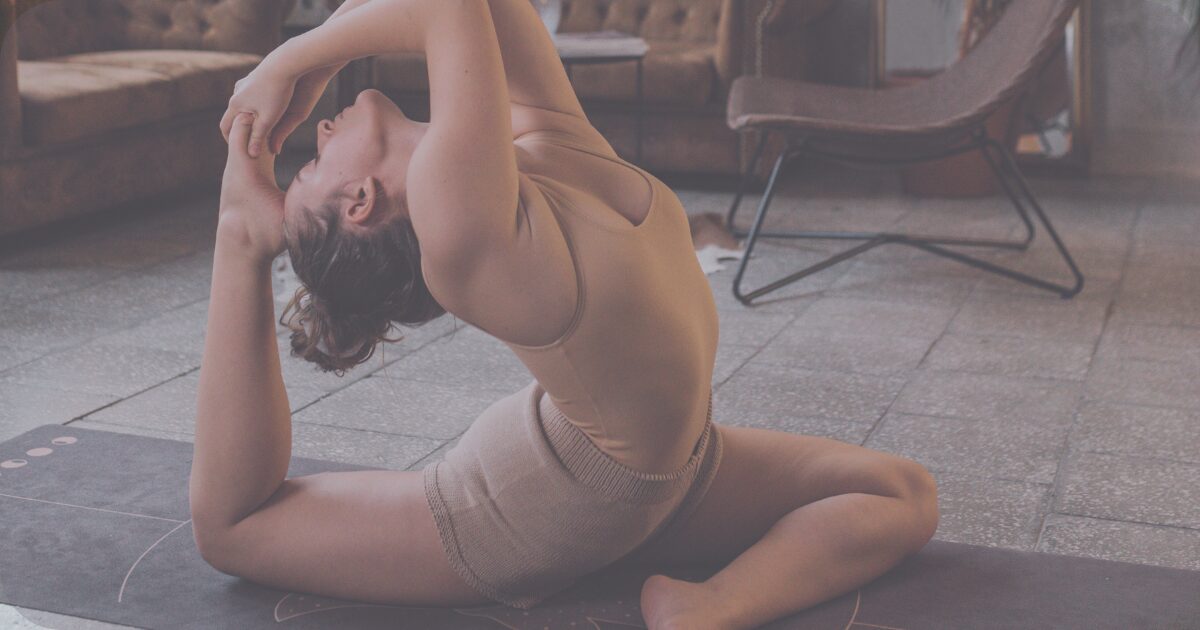
Rocket Yoga
Rocket Yoga is a dynamic, Ashtanga-based practice created by Larry Schultz that makes traditional sequences accessible and playful through modifications, arm balances, and inversions—building strength, confidence, and the freedom to fly.
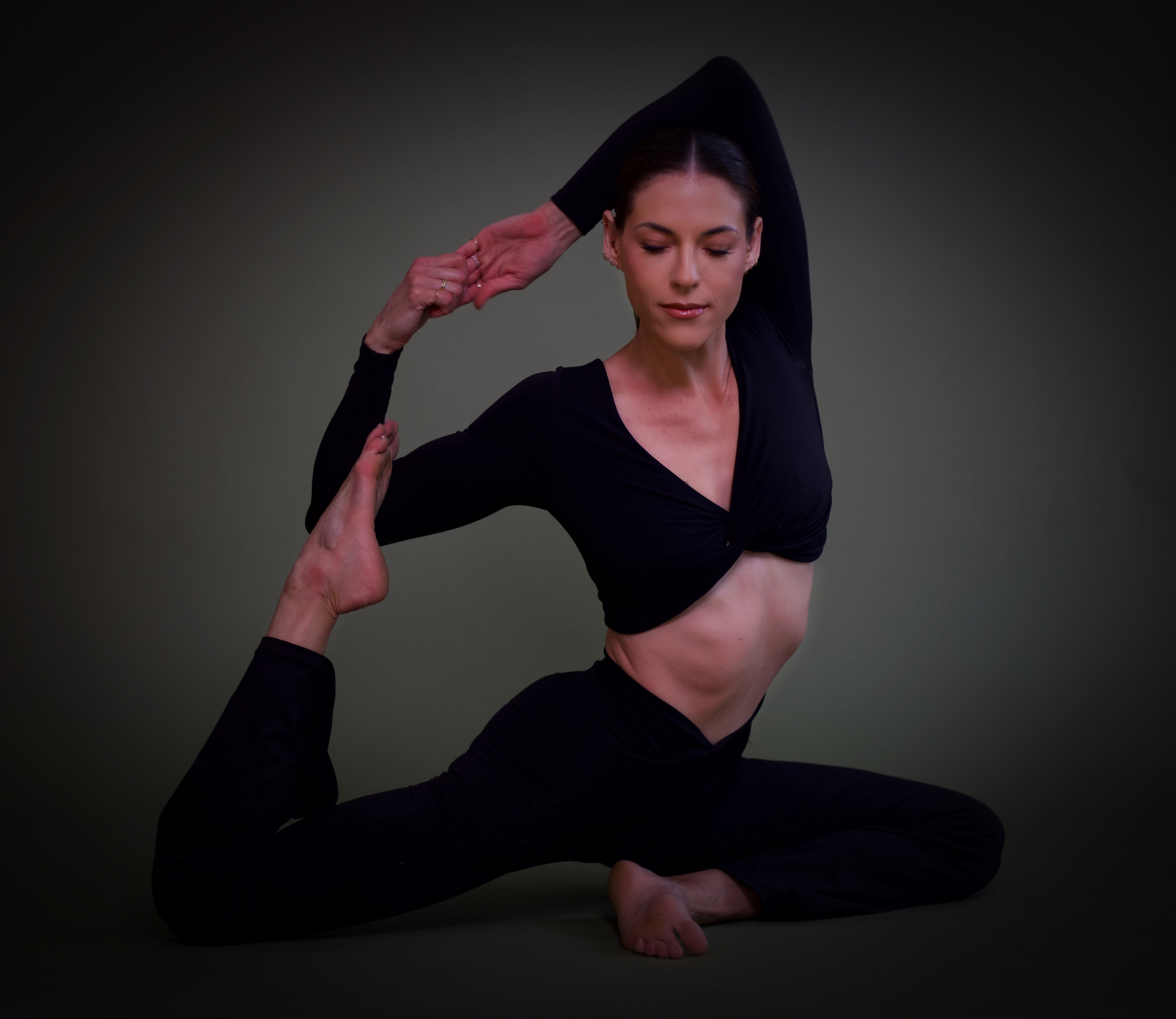
What is Rocket Yoga?
Rocket Yoga is a dynamic, energizing practice created by Larry Schultz in the 1980s, built on the foundation of Ashtanga Vinyasa Yoga. Designed to make traditional Ashtanga more accessible and fun, Rocket allows modifications and creative sequencing while maintaining the power and flow of the original practice. Known for its philosophy “It’s okay to fall down—just get back up!”, Rocket encourages students to challenge themselves, try arm balances and inversions, and explore their edge in a supportive environment.
Quick Facts
Overview
What to Expect in a Rocket Yoga Class
Modified Ashtanga with Freedom
Rocket follows the basic structure of Ashtanga's Primary, Intermediate, and Advanced Series, but gives you permission to modify, skip, or adapt. You'll recognize familiar Ashtanga sequences, but the teacher might add variations, inversions, or arm balances not found in the traditional series. It's Ashtanga without the rigidity—structure with space to play.
Permission to Skip and Modify
Unlike traditional Ashtanga, where you're expected to follow the sequence exactly, Rocket explicitly encourages modifications. Can't do a full inversion yet? Take a prep pose. Need to skip a challenging transition? Go for it. The philosophy is 'It's okay to fall down—just get back up.' This makes advanced poses accessible to intermediate practitioners who might not be ready for the full expression.
Arm Balances and Inversions
Rocket is known for incorporating challenging arm balances, inversions, and transitions earlier than traditional Ashtanga. You'll encounter poses like Flying Pigeon, Crow Pose, Headstand variations, and creative transitions between them. These aren't mandatory—teachers offer modifications—but the invitation to explore them is built into the practice. It's playful, athletic, and sometimes humbling.
Playful, Accessible Energy
Rocket has a lighter, more experimental vibe than traditional Ashtanga. The music might be upbeat, the teacher might joke around, and there's a sense of community and shared challenge rather than strict discipline. You're encouraged to try things, fall, laugh, and try again. The practice is physically demanding but emotionally welcoming—perfect for students who love the intensity of Ashtanga but not the formality.
Origins of Rocket Yoga
Rocket Yoga was created by Larry Schultz in San Francisco in the 1980s. Schultz was a student of Sri K. Pattabhi Jois and taught Ashtanga for years before developing his own system that democratized the practice. The name “Rocket” came from a comment Jois made: the practice “gets you there faster.”
Schultz designed Rocket to solve a specific problem: traditional Ashtanga’s strict progression meant students could spend years waiting to access advanced poses. Rocket reordered and modified the sequences so practitioners could explore challenging arm balances and inversions earlier in their training, as long as they approached with awareness and willingness to fall.
There are three Rocket sequences: Rocket I (based on Ashtanga Primary Series), Rocket II (based on Intermediate Series), and Rocket III (combining both). Most classes today teach Rocket I or a blend, emphasizing the philosophy of accessibility over perfection.
Style and Structure
Style:
Rocket is dynamic, athletic, and infused with a spirit of exploration. Unlike the solemn rigor of traditional Ashtanga, Rocket embraces humor, community, and creative expression. Students are encouraged to try challenging poses before they feel “ready”—the attempt is the practice.
Structure:
A typical Rocket class includes:
- •Opening Sun Salutations to build heat
- •Standing poses with balance and strength challenges
- •Arm balances introduced earlier than in Ashtanga
- •Inversions (Headstand, Shoulderstand) with modification options
- •Backbends and hip openers from the Ashtanga intermediate series
- •Closing sequence and Savasana
Breath and Flow
Breath:
Ujjayi breath remains the engine of Rocket, as it does in Ashtanga. The steady, audible breath anchors attention, builds internal heat, and regulates pace. When the breath goes ragged, it’s a signal to back off—a built-in self-regulation system that Schultz kept intact from the Ashtanga tradition.
Flow:
Rocket flows faster than traditional Ashtanga with less pause between poses. The energy is upward and outward—builds toward challenging peaks rather than sustained holds. Teachers often play music, creating a kinetic, almost celebratory atmosphere. The flow is demanding enough to build real fitness, playful enough to feel like discovery rather than discipline.
Pace, Focus & Teacher Role
Pace:
Fast, energetic, and physically demanding. Classes move quickly from one pose to the next, with less time in each shape than traditional Ashtanga. The tempo keeps energy high and minds present—there’s no space to zone out when you’re about to attempt a Flying Crow.
Focus:
Rocket builds toward exploration of advanced poses—not mastery, but courageous attempt. Students cultivate:
- •Physical strength: Arms, core, and legs all challenged simultaneously
- •Fearlessness: Willingness to attempt poses before feeling ready
- •Playfulness: The mat as a place to experiment, not perform
- •Community: Shared challenge creates genuine camaraderie
Teacher Role:
Rocket teachers are enthusiastic, encouraging, and skilled at offering tiered options. They celebrate attempts as much as achievements. Where an Ashtanga teacher corrects alignment, a Rocket teacher often cheers the fall—because trying is the point. The relationship is more coach-and-athlete than guru-and-student.
Benefits of Rocket Yoga
Rocket Yoga delivers the full power of Ashtanga with an added layer of playfulness and accessibility.
Builds Functional Strength and Power
Dynamic sequences require sustained engagement of core, arms, and legs—developing practical strength for everyday life and athletic pursuits.
Dramatically Increases Flexibility
Fast-paced flows warm muscles deeply, allowing deeper opening than static stretching—creating lasting improvements in range of motion.
Enhances Cardiovascular Fitness
The vigorous pace elevates heart rate and builds stamina—delivering benefits comparable to running or HIIT workouts.
Sharpens Mental Focus and Clarity
The fast pace demands presence—quieting mental chatter and creating laser-sharp concentration on the breath and body.
Boosts Metabolic Function
Intense movement elevates metabolism and increases calorie burn—supporting healthy weight management and energy levels.
Builds Confidence and Empowerment
Progressing to challenging inversions and arm balances creates real accomplishment—translating into greater self-assurance off the mat.
Improves Balance and Proprioception
Advanced arm balances and inversions develop spatial awareness and neuromuscular control—enhancing stability in all contexts.
Releases Tension and Stress
The physical intensity processes stored stress—leaving you energized yet calm after practice.
Enhances Athletic Performance
Rocket builds functional strength, flexibility, and focus—improving performance in sports and physical activities.
Cultivates Mental Resilience
Meeting challenges on the mat builds psychological strength—translating to greater resilience in life’s difficulties.
Creates a Sense of Community
Group classes foster connection with like-minded practitioners—building supportive friendships and accountability.
Expands Your Capacity for Life
Beyond physical transformation, Rocket shows you that limitations are often illusions—inspiring boldness in every area of life.
Rocket Yoga vs. Other Yoga Styles
Rocket takes Ashtanga's power and gives it permission to adapt. Here's how it compares to styles that share its dynamic energy.
| Feature | Rocket Yoga | Ashtanga | Vinyasa | Power Yoga |
|---|---|---|---|---|
| Pace | Fast dynamic | Moderate consistent | Moderate–Fast | Fast athletic |
| Sequence | 3 fixed series + mods | Fixed 6 series | Breath-linked creative | Teacher-led varied |
| Modifications | Encouraged built-in | Minimal (Mysore) | Encouraged | Expected (levels) |
| Arm Balances | Central focus | Progressive (later series) | Optional | Frequent |
| Cardio | High | Moderate-High | Moderate | High |
| Beginner-Friendly | ●●○○○ | ●●○○○ | ●●●○○ | ●●●○○ |
| Focus | Playful power | Discipline | Flow & creativity | Strength & fitness |
Rocket's gift is permission. It takes Ashtanga's power and says: you don't have to wait to try the hard stuff. Falling is part of the practice, not a sign you're not ready.
Who Is Rocket Yoga For?
Rocket Yoga is ideally suited for:
- •Intermediate to advanced practitioners ready to explore arm balances and inversions
- •Ashtanga students who want the structure without the formality
- •Athletes and fitness-focused yogis seeking a full-body challenge
- •Anyone drawn to community, playfulness, and bold exploration
It may not suit absolute beginners or those seeking a gentle, restorative practice. Build a foundation in Vinyasa or Hatha first, then come to Rocket when you’re ready to fly.
Frequently Asked Questions
Do I need to know Ashtanga before trying Rocket Yoga?
Helpful but not required. Familiarity with basic Sun Salutations and foundational poses—Downward Dog, Warrior I and II, Chaturanga—will help you keep up with the pace. If you've practiced any flowing style for 6–12 months, you likely have enough foundation. Rocket teachers offer modifications, so beginners can attend, but expect to feel challenged. Complete newcomers to yoga are better served starting with Vinyasa or Hatha first.
What does "It's okay to fall down—just get back up" mean in practice?
It's the core philosophy of Rocket. In traditional Ashtanga, students often wait years before attempting advanced poses. Rocket removes that gatekeeping. You're encouraged to try arm balances and inversions before you've "mastered" the prerequisites—because the attempt itself is the practice. Falling is feedback, not failure. This shift in relationship to mistakes is as much a mental practice as a physical one.
How does Rocket differ from Power Yoga?
Both are physically intense and fast-paced, but they come from different lineages. Rocket is rooted in Ashtanga's specific sequence structure—it modifies and reorders Ashtanga poses rather than inventing new ones. Power Yoga draws from Ashtanga's energy but sequences freely, often without the Ashtanga framework. Rocket has more tradition and specificity; Power Yoga has more creative range. Rocket practitioners often feel the Ashtanga lineage in the practice even while departing from its rigidity.
Is Rocket Yoga good for building strength?
Yes—it's one of the most effective yoga styles for full-body strength development. The arm balances demand significant upper body and core strength; the standing sequences build leg strength and stability; the transitions develop functional strength that transfers to everyday life and athletic pursuits. Students who practice regularly for 3–6 months typically notice marked improvements in strength, even without supplemental gym work.
How many Rocket sequences are there, and which should I start with?
There are three: Rocket I (based on Ashtanga Primary Series), Rocket II (based on Intermediate Series), and Rocket III (a combination of both). Start with Rocket I—it's the most widely taught and foundational. Most studio classes labeled simply "Rocket Yoga" are teaching Rocket I or a blend. Rocket II and III are typically offered as intermediate-to-advanced options once you're comfortable with the first sequence.
Conclusion
Rocket Yoga is proof that tradition and accessibility aren’t opposites. It honors the depth and rigor of Ashtanga while opening the door wider—welcoming students to attempt challenging poses, fall without shame, and discover what they’re capable of.
It gets you there faster—not by cutting corners, but by removing the fear of falling along the way.
Explore Related Yoga Styles
If you love Rocket’s energy but want deeper tradition, Ashtanga Yoga offers the disciplined root system Rocket grew from. For creative freedom without fixed sequences, Vinyasa Yoga brings breath-synchronized flow with endless variation. If the athletic intensity calls you, Power Yoga channels similar energy with a fitness-forward approach. And when the body needs to recover from Rocket’s demands, Yin Yoga offers the perfect counterpose—stillness, depth, and deep connective tissue release.
Sources & Further Reading
- 1.Schultz, Larry. It’s Yoga: The Rocket. It’s Yoga International, 2004.
- 2.Jois, Sri K. Pattabhi. Yoga Mala. North Point Press, 1999.
- 3.Harvard Health Publishing. “Yoga — Benefits Beyond the Mat.” harvard.edu
- 4.NIH NCCIH. “Yoga: What You Need To Know.” nccih.nih.gov
Lisa Marie
E-RYT 500
Lisa Marie is an E-RYT 500 certified yoga teacher with 20+ years of personal practice and 15+ years teaching. She specializes in Vinyasa, Hatha, and restorative practices, with training in the Ashtanga tradition. Lisa Marie is co-founder of Viveka Yoga Studio in Downtown Los Angeles.
Related Content
Continue your yoga journey with these related guides
Ashtanga Yoga
Traditional root practice—disciplined fixed sequences that Rocket reimagines with accessibility and play.
Explore Ashtanga →Power Yoga
Athletic strength practice—similar intensity and physicality adapted for fitness-focused Western students.
Explore Power →Vinyasa Yoga
Creative flow practice—breath-synchronized movement with artistic freedom and adaptable intensity.
Explore Vinyasa →Find Your Perfect Rocket Yoga Class
Connect with experienced rocket yoga teachers and studios in your area.
Search Classes →