Anusara Yoga
Anusara Yoga is a heart-centered Hatha yoga practice that combines precise biomechanical alignment principles with a philosophy of intrinsic goodness, inviting practitioners to align their bodies—and their lives—with grace.
What Is Anusara Yoga?
Anusara Yoga translates as "flowing with grace" or "following your heart"—and that translation tells you nearly everything about this style's intention. Founded in 1997, Anusara emerged as a synthesis: the precise alignment rigor of Iyengar yoga married to the life-affirming philosophy of Tantric tradition.
Where some yoga lineages emphasize transcending the body or overcoming the self, Anusara begins from a different premise: you are already good. The practice isn't about fixing what's broken—it's about revealing what's already luminous. This philosophical foundation shapes everything from the language teachers use to the way poses are taught.
In practice, Anusara classes move at a moderate pace with detailed instruction. Teachers spend time explaining not just what to do, but why—connecting physical actions to the underlying biomechanical principles. The atmosphere tends toward warmth and encouragement rather than discipline or intensity. Heart-opening poses like backbends receive particular attention, reflecting the style's emphasis on expanding from the heart center.
The Universal Principles of Alignment
What sets Anusara apart is its systematic approach to alignment. Rather than learning corrections pose by pose, students learn five Universal Principles of Alignment (UPAs) that apply to every asana:
Foundation and inner body expansion—softening, receiving, and creating space before action
Drawing energy from the periphery to the core, creating stability and integration
Inward rotation of the legs, widening the pelvis and creating space in the lower back
External rotation that anchors the tailbone and stabilizes the sacrum
Extending energy outward from the core through the limbs, expressing fully into the pose
These principles build upon each other—you can't effectively engage Muscular Energy without first Opening to Grace, and Organic Energy only works once the other four are established. Learning this system takes time, but once internalized, practitioners can apply these principles to any pose, including ones they've never seen.
The Benefits of Anusara Yoga
Regular practice offers both physical refinement and philosophical grounding:
What to Expect in an Anusara Class
Anusara vs. Other Alignment-Based Styles
- Philosophy — Iyengar aims for precision itself; Anusara uses precision in service of "opening to grace"
- Atmosphere — Iyengar tends toward discipline and correction; Anusara toward encouragement and celebration
- Flow — Anusara classes often have more movement between poses; Iyengar holds longer
- Heart emphasis — Anusara specifically prioritizes heart-opening poses and themes
- Language — Anusara teachers often use poetic, philosophical language; Iyengar teachers favor anatomical precision
Origins and Philosophy
John Friend founded Anusara in 1997 after years of studying Iyengar yoga and Tantric philosophy. The method grew rapidly, becoming one of the most popular yoga styles in America by the early 2000s. Friend's teaching synthesized B.K.S. Iyengar's alignment precision with Douglas Brooks' Tantric scholarship.
The philosophical core of Anusara draws from non-dual Tantra—the view that everything is an expression of divine consciousness, including you, including your body, including this very moment. Unlike renunciate traditions that see the body as an obstacle, Tantra celebrates embodiment. Your physical form isn't a problem to solve but a gift to unwrap.
The organization faced challenges in 2012, leading to restructuring. Today, Anusara continues under the Anusara School of Hatha Yoga, with certified teachers worldwide maintaining the method's integrity.
Who Is Anusara For?
Find Your Heart-Centered Practice
Discover Anusara classes near you and experience alignment that opens you to grace.
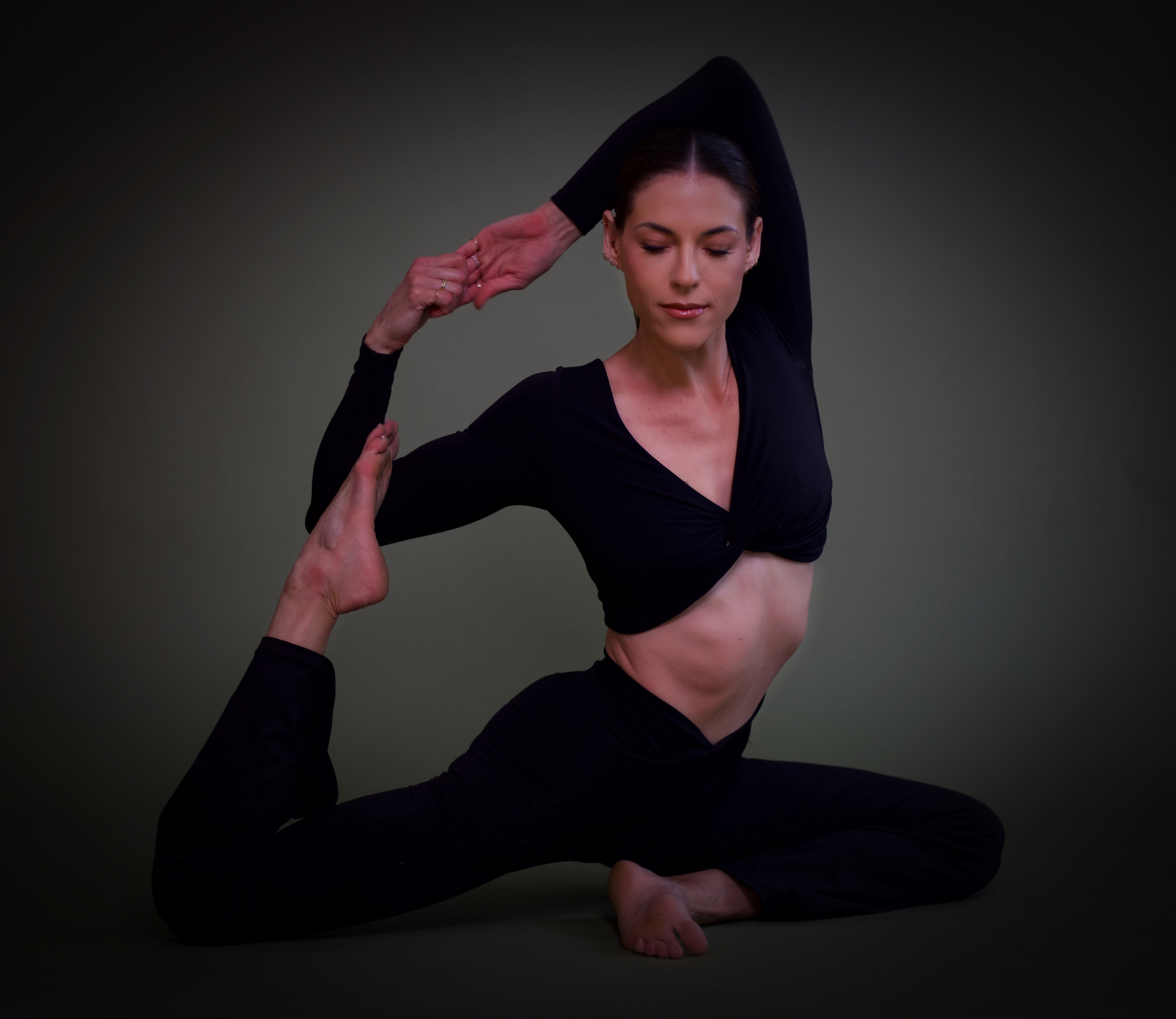
Table of Contents
Table of Contents
Keep Exploring
Explore more terms, styles, and find studios near you.
Find Studios Near You