Asana
AH-sah-nah — Sanskrit: आसन
Yoga Postures for Strength, Stability & Awareness
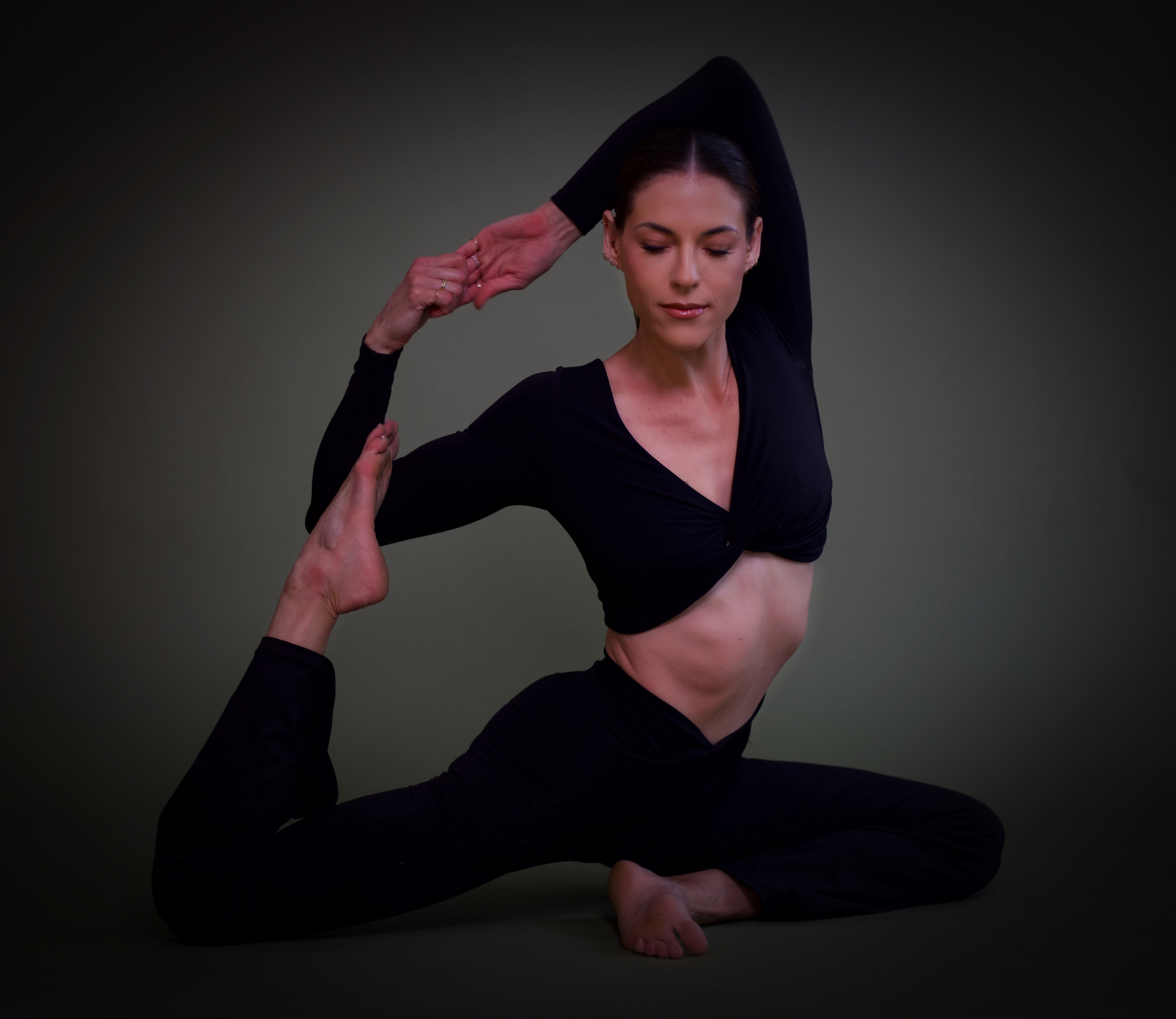
Asana is the physical expression of yoga — shapes where breath meets stability, where your body becomes the language of your practice.
Short Definition
The Sanskrit word asana means "seat" — not just a place to sit, but a place to arrive. In yoga class, asana is everything you physically do: standing, flowing, stretching, holding still. It's the bridge between intention and presence.
What Asana Means in a Yoga Class
In class, "asana" is everything you physically do with your body: standing, balancing, twisting, folding, backbending, relaxing. Teachers cue alignment, breath, and transitions so poses support your body rather than strain it.
For teachers and studio owners, asana is the accessible entry point into yoga. It's where students build confidence, learn body awareness, and discover what styles resonate with them.
What to Expect in an Asana Class
Walking into your first class, you'll find a space designed for practice — not performance. Most sessions run 45 to 75 minutes, though the experience of time often softens once breath and movement begin their conversation.
Classes typically unfold in a natural arc: gentle warm-up, standing poses that build heat and focus, floor work that invites deeper opening, and a final rest in Savasana — those quiet minutes where the practice settles into your body.
Your teacher guides with voice and presence, offering cues for alignment and breath. Props like blocks, straps, and blankets aren't signs of weakness — they're tools that help the practice meet your body where it is today. Use them freely.
The pacing depends on the style. Hatha moves slowly, holding space for precision. Vinyasa flows with the breath, one pose pouring into the next. Both are asana — just different conversations.
If you're new, know this: teachers expect beginners. Every practitioner in the room once stood where you're standing. The practice welcomes you as you are.
Why Asana Matters
- Cultivates honest strength and mobility — not through forcing, but through consistent, attentive practice
- Synchronizes breath with movement, transforming exercise into meditation
- Protects your body through alignment awareness and deep respect for your unique structure
- Trains the nervous system toward calm focus — a skill you carry far beyond the mat
- Creates the physical foundation where all other yoga practices become possible
Asana Across Different Yoga Styles
Each yoga style approaches asana differently. Understanding these variations helps students find the practice that best serves their goals:
Ready to Practice Asana?
Find yoga classes near you and experience these postures firsthand with experienced teachers.
Keep Exploring
Explore more terms, styles, and find studios near you.
Find Studios Near You