
Iyengar Yoga
Iyengar yoga is a precise, alignment-focused practice that uses props and detailed instruction to help students achieve proper form in each posture, emphasizing structural integrity, therapeutic benefits, and mindful body awareness through methodical sequencing and longer holds.
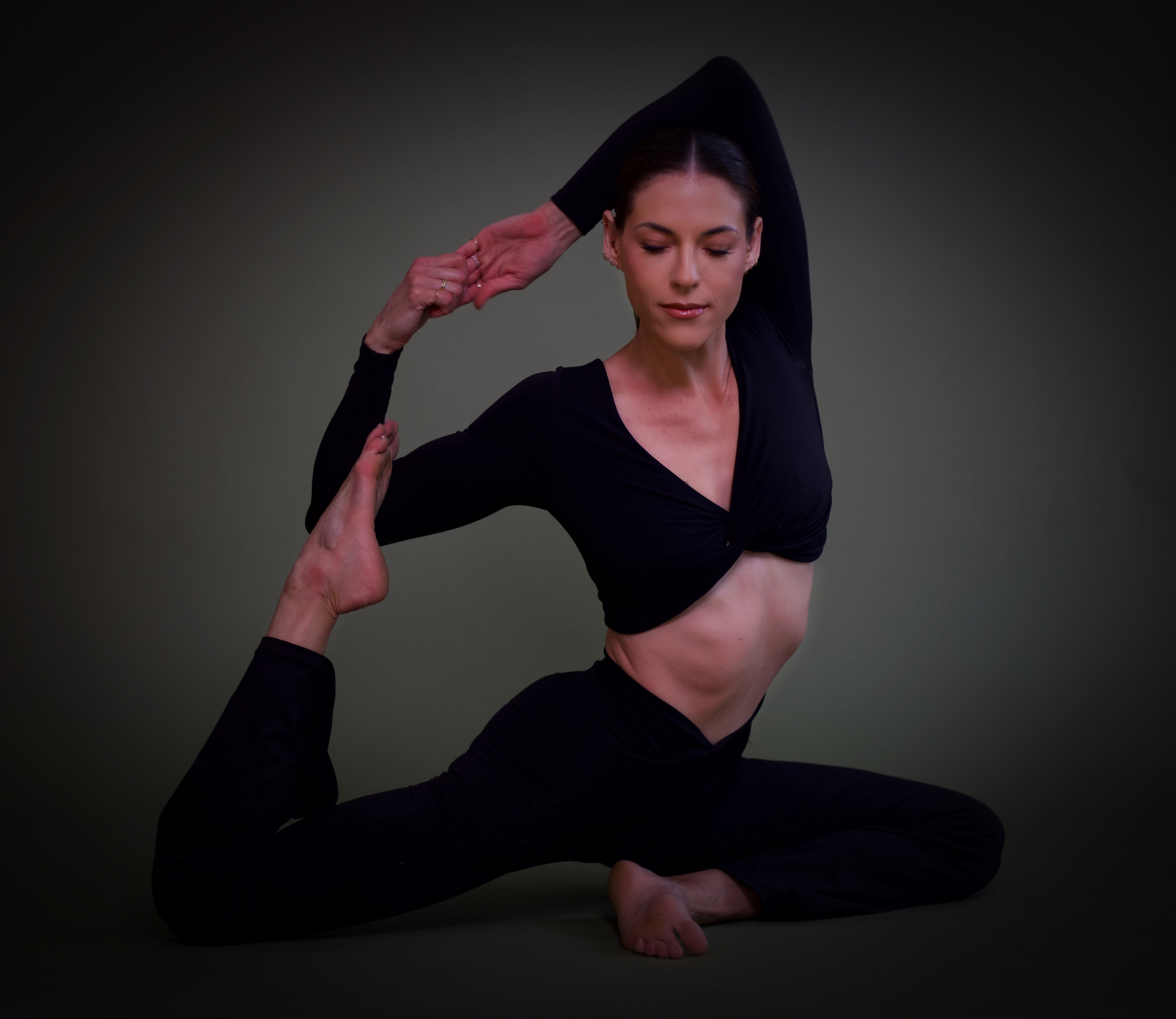
What is Iyengar Yoga?
Iyengar Yoga is a precision-based practice developed by B.K.S. Iyengar that emphasizes meticulous alignment, extended holding of postures, and the therapeutic use of props. Unlike flowing styles, Iyengar classes move slowly and methodically, breaking down each pose to understand its mechanics and benefits deeply. Props like blocks, straps, bolsters, and chairs make challenging poses accessible while ensuring proper alignment, making this style especially valuable for injury recovery, body awareness, and building a strong foundation in yoga.
Quick Facts
Overview
What to Expect in an Iyengar Yoga Class
Emphasis on Precise Alignment
Every pose is broken down into its mechanical components. You'll learn the correct placement of your feet, hands, hips, and spine in each posture. Teachers provide detailed verbal cues and often demonstrate multiple times before you move. This level of precision can feel slow at first, but it builds a foundation that protects you from injury and deepens your understanding of how your body works.
Extensive Use of Props
Blocks, straps, bolsters, blankets, chairs, and walls aren't just for beginners—they're essential tools in Iyengar practice. Props help you find proper alignment when your body isn't yet flexible or strong enough to achieve it unaided. You'll use more props in an Iyengar class than any other style, and that's by design. The goal is correct form, not ego.
Long Holds in Each Pose
Unlike flowing styles, Iyengar holds poses for extended periods—often several minutes. This allows your body to settle into the shape, your breath to deepen, and your awareness to sharpen. The stillness can be challenging, especially if you're used to constant movement. But in that stillness, the real work happens—subtle adjustments, deeper release, mental focus.
Detailed, Technical Instruction
Iyengar teachers are known for their precision and knowledge. Expect detailed anatomical cues, hands-on adjustments (with consent), and clear explanations of why you're doing what you're doing. Classes feel more like workshops than workouts. You're not just moving through poses—you're studying them.
Iyengar Yoga is one of the most respected and methodically crafted yoga styles in the modern world. Developed by B.K.S. Iyengar, one of the most influential yoga teachers of the 20th century, this style is known for its exceptional focus on alignment, precision, and therapeutic application of postures.
In an Iyengar Yoga class, every movement is intentional, every posture is refined, and every student is guided to develop an in-depth understanding of their body. While the pace is slow and the sequences are not flow-based, the depth of concentration and awareness cultivated in Iyengar Yoga is profound.
In this comprehensive guide, we’ll explore the origins of Iyengar Yoga, the principles that define its practice, and the many ways it supports both physical well-being and inner transformation.
The Legacy of B.K.S. Iyengar
Bellur Krishnamachar Sundararaja Iyengar (1918–2014), affectionately known as Guruji, was a student of T. Krishnamacharya, often referred to as the “father of modern yoga.” Through decades of devoted study, experimentation, and teaching, B.K.S. Iyengar developed a systematic approach to Hatha Yoga that emphasized precision, anatomical alignment, and therapeutic potential.
His groundbreaking book, Light on Yoga (1966), is considered a seminal text in modern yoga and introduced his methodology to a global audience. He also pioneered the use of props—such as blocks, straps, bolsters, and chairs—to make yoga accessible to people of all ages, abilities, and levels of flexibility.
Today, Iyengar Yoga is practiced worldwide, with a lineage of rigorously trained teachers who uphold its exacting standards. The style has earned a reputation not only for its physical benefits but also for its depth of focus and meditative quality.
Style and Structure
Style:
Iyengar Yoga is precise and analytical. It is a style that places supreme importance on the alignment of the body in each posture (asana). Rather than emphasizing flow or movement between postures, Iyengar Yoga focuses on exploring stillness within each pose, allowing the practitioner to fully experience its physical, energetic, and mental effects.
Because of this emphasis on precision, Iyengar Yoga is also highly therapeutic and is frequently recommended for those recovering from injury or dealing with physical limitations. It provides an incredibly safe framework for developing strength, flexibility, stability, and body awareness.
Structure:
A typical Iyengar Yoga class is meticulously structured and may include:
- •Asanas (Postures): The core of the practice, with an emphasis on breaking down each pose and understanding its alignment principles. Teachers may spend several minutes refining a single posture.
- •Pranayama (Breathwork): Breath control is introduced gradually, only after a strong physical foundation has been established. In more advanced classes, pranayama is taught as a standalone practice.
- •Props: A hallmark of Iyengar Yoga is the creative and skillful use of props—blocks, straps, bolsters, chairs, blankets, ropes, and walls—to support proper alignment and enable students to safely explore poses they might not otherwise access.
- •Savasana (Relaxation): Every class concludes with a well-supported Savasana, integrating the effects of the practice and allowing the body and mind to rest.
Classes may be themed around particular categories of postures (standing, forward bends, backbends, inversions), specific anatomical principles, or therapeutic objectives.
Breath and Flow
Breath:
In Iyengar Yoga, breath is not the primary focus at the beginning. Instead, teachers encourage students to first establish a strong, open, and aligned physical foundation. Once the body is prepared—through improved strength, flexibility, and awareness—breathwork (pranayama) is progressively introduced.
When pranayama is practiced, it is approached with the same level of care, detail, and progression as asana work. The result is a powerful ability to regulate the breath and deepen the mind-body connection without strain or force.
Flow:
Iyengar Yoga is not a flow-based practice. Unlike Vinyasa or Ashtanga Yoga, where breath and movement are linked in a continuous sequence, Iyengar Yoga invites practitioners to pause and hold each posture, often for an extended period of time.
This deliberate pacing allows students to:
- •Explore the nuances of alignment
- •Refine their understanding of the body’s mechanics
- •Cultivate concentration and meditative presence
Because poses are held and refined, rather than quickly transitioned through, the practice develops strength, stability, stamina, and deep internal awareness.
Pace, Focus, and Tools
Pace:
Iyengar Yoga is intentionally slow and methodical. This is not a class where you will move quickly or sweat profusely. Instead, you will be guided to deconstruct poses, build them from the ground up, and sustain them with full presence.
This slow pace allows for detailed instruction, hands-on adjustments, and ample time for personal exploration within each pose.
Focus:
The primary focus of Iyengar Yoga is:
- •Precise anatomical alignment
- •Therapeutic benefits, particularly for injury prevention and recovery
- •Deep body awareness, helping students cultivate a clear and embodied understanding of their structure and patterns
- •This emphasis on alignment serves both physical health and energetic balance, creating a strong, open, and resilient body that supports mental clarity and emotional stability
Tools
Props are an essential aspect of Iyengar Yoga, used creatively to:
- •Support proper alignment
- •Enable students to safely approach more advanced poses
- •Assist those with physical limitations or injuries
- •Facilitate deeper opening, relaxation, and awareness
Commonly used props include:
- •Blocks
- •Straps
- •Bolsters
- •Blankets
- •Chairs
- •Ropes
- •Walls
Far from being a sign of “beginner-ness,” using props skillfully is considered a mark of intelligent practice in Iyengar Yoga.
Teacher Role and Vibe
Teacher Role
Teachers of Iyengar Yoga are known for their rigorously high standards. Iyengar teacher training is among the most demanding in the yoga world, requiring years of study, personal practice, and supervised teaching.
In class, teachers are:
- Highly instructional, offering detailed verbal cues
- Hands-on, providing tactile adjustments to refine alignment
- Analytical, helping students understand both the external form and internal experience of each pose
- Therapeutic, skillfully adapting poses to individual needs
Students can expect lots of personal attention and frequent feedback in an Iyengar class.
Vibe
The vibe of an Iyengar Yoga class is:
- Analytical and corrective
- Deeply focused and intentional
- Calm, spacious, and meditative
- Inclusive and adaptable for injury prevention or therapeutic goals
Rather than being driven by external achievement or intensity, the practice is centered on internal transformation, intelligent movement, and awareness.
Benefits of Iyengar Yoga
Iyengar Yoga offers benefits across physical, mental, and energetic dimensions of practice.
Perfects Your Alignment
Precise alignment cues and prop support train your body to move correctly, creating lasting postural and structural improvement that serves you forever.
Provides Therapeutic Healing
Props and modifications make Iyengar ideal for injury recovery and chronic conditions, creating safe pathways to healing for virtually any body.
Builds Intelligent Strength
Proper alignment means muscles engage correctly, building functional strength that supports your whole body and prevents re-injury.
Improves Deep Body Awareness
Detailed attention to alignment trains profound awareness of how every part of your body connects, creating lasting postural change.
Enhances Flexibility Safely
Props support deeper stretches safely, allowing flexibility to increase without forcing or risking injury to muscles and ligaments.
Transforms Posture Permanently
Regular Iyengar practice rewires postural habits at the deepest level, creating lasting alignment change that carries into everyday life.
Iyengar Yoga vs. Other Yoga Styles
Iyengar is the most precision-focused practice in the yoga world. Here's how it compares to styles that share its commitment to alignment.
| Feature | Iyengar | Hatha | Ashtanga | Restorative |
|---|---|---|---|---|
| Pace | Slow methodical | Slow to moderate | Moderate consistent | Ultra-slow |
| Sequence | Themed structured sets | Teacher-led varied | Fixed 6 series | 4-6 supported poses |
| Pose Holds | Long refined | 30s-2min | 5 breaths | 5-20 minutes |
| Props | Extensive central to practice | Occasional | Minimal | Extensive |
| Instruction Detail | Highly detailed hands-on | Moderate | Minimal Mysore | Minimal |
| Beginner-Friendly | ●●●●● | ●●●●● | ●●○○○ | ●●●●● |
| Focus | Alignment precision | Balance & foundation | Discipline | Deep rest |
Iyengar's use of props isn't a concession to limitation—it's intelligent practice. Every prop is there to create correct alignment, not to make things easier.
Who Is Iyengar Yoga For?
Iyengar Yoga is suitable for a wide range of practitioners, including:
- Beginners seeking a safe and structured introduction to yoga
- Advanced students wanting to refine their alignment and deepen their understanding
- Individuals with injuries or physical limitations needing therapeutic modifications
- Athletes and dancers seeking enhanced body awareness and functional movement
- Anyone interested in an intelligent, mindful approach to yoga
It is especially valuable for those who:
- Prefer a slower, more contemplative pace
- Are detail-oriented and appreciate precise instruction
- Want to develop a strong foundation before exploring more dynamic styles
- Are recovering from injury or managing chronic conditions
Frequently Asked Questions
Is Iyengar yoga good for beginners?
Yes—it may be the best starting point of any yoga style. The slow pace, detailed instruction, and use of props create a safe and educational environment where you learn how poses actually work rather than just approximating their shapes. Iyengar teachers are trained to work with all bodies and all levels. The foundation you build in Iyengar—understanding alignment, breath, and body mechanics—makes every other yoga style you try afterward more accessible and safer.
Why does Iyengar use so many props?
Props are how Iyengar makes correct alignment achievable for every body, regardless of flexibility or experience. A block under your hand in Triangle Pose doesn't mean you're not doing the pose correctly—it means you're doing it correctly for your current range of motion. Props allow precise alignment without strain, which is both safer and more effective than forcing a pose. In advanced Iyengar practice, props are still used extensively. They're not a beginner's crutch; they're a precision tool.
How is Iyengar different from Hatha yoga?
Iyengar is a specific lineage within the broader Hatha Yoga tradition. All Hatha practices share the use of physical postures and breathwork, but Iyengar takes alignment to a far more detailed level—using props systematically, holding poses for extended periods, and sequencing classes thematically (e.g., backbends, standing poses, inversions). A generic Hatha class varies widely by teacher; an Iyengar class follows a consistent methodology regardless of where in the world you practice.
Can Iyengar yoga help with chronic pain or injury recovery?
Yes—Iyengar is among the most respected therapeutic yoga styles. B.K.S. Iyengar himself was known for working therapeutically with students with serious conditions. The precise alignment work, prop support, and methodical sequencing allow teachers to design practices that address specific conditions safely. Iyengar teachers are trained more rigorously than most yoga certifications require, which makes them particularly well-equipped for therapeutic work. Always disclose injuries to your teacher before class.
Do I need to buy a lot of props before starting?
No. Most Iyengar studios provide all props—blocks, straps, bolsters, blankets, and chairs are standard equipment. For home practice, two blocks and a strap cover most needs at the beginner level. As your practice deepens, a bolster and two blankets become useful. A full home prop setup is worth investing in gradually rather than all at once—your teacher will guide you toward what you actually need as your practice develops.
Conclusion
Iyengar Yoga offers a unique path for those seeking precision, depth, and therapeutic benefit in their practice. Through its emphasis on alignment, props, and detailed instruction, it provides both a safe entry point for beginners and endless refinement for experienced practitioners.
Whether you're recovering from injury, building strength and flexibility, or simply seeking a more mindful approach to movement, Iyengar Yoga's methodical approach creates a foundation for sustainable, lifelong practice.
Ready to experience the precision and depth of Iyengar Yoga? Find certified teachers and studios near you to begin your journey.
Sources & Further Reading
- 1.Iyengar, B.K.S. Light on Yoga. Schocken Books, 1979.
- 2.Iyengar, B.K.S. Light on Pranayama. Crossroad Publishing, 1981.
- 3.Harvard Health Publishing. “Yoga — Benefits Beyond the Mat.” harvard.edu
- 4.NIH NCCIH. “Yoga: What You Need To Know.” nccih.nih.gov
Lisa Marie
E-RYT 500
Lisa Marie is an E-RYT 500 certified yoga teacher with 20+ years of personal practice and 15+ years teaching. She specializes in Vinyasa, Hatha, and restorative practices, with training in the Ashtanga tradition. Lisa Marie is co-founder of Viveka Yoga Studio in Downtown Los Angeles.
Related Content
Continue your yoga journey with these related guides
Hatha Yoga
The foundational practice from which Iyengar evolved—classic postures with accessible pacing for all levels.
Explore Hatha →Restorative Yoga
Therapeutic practice using props for deep rest—Iyengar's prop work applied to complete nervous system healing.
Explore Restorative →Ashtanga Yoga
Disciplined practice with fixed sequences—precision and focus applied through dynamic breath-synchronized flow.
Explore Ashtanga →Find Your Perfect Iyengar Yoga Class
Connect with experienced iyengar yoga teachers and studios in your area.
Search Classes →