Satya
The second yama of yoga philosophy—truthfulness in thought, word, and action. More than not lying, satya is the practice of living authentically and perceiving reality clearly, without the distortions of fear, desire, or ego.
What Is Satya?
Satya is the yogic commitment to truth—but truth understood in its deepest sense. The word shares its root with "sat" (being, existence, reality), suggesting that truth isn't just about accurate statements but about alignment with what is real.
As the second of the five yamas, satya builds upon ahimsa (non-violence). In yoga philosophy, truth that harms may not be true satya. The practices work together: speak truthfully, but let truth serve compassion.
Layers of Satya
The most obvious layer: saying what is true. This includes not lying, not exaggerating, not omitting important information, and not using truth as a weapon.
Living in alignment with your values—not performing a life you don't believe in. Authenticity over appearance. Integrity between inner and outer.
The deepest layer: seeing reality clearly without the distortions of wishful thinking, denial, projection, or fear. This is the satya cultivated in meditation.
Satya in Practice
- Be honest about your actual abilities—no pretending
- Notice when you're performing for others vs. practicing for yourself
- Acknowledge what you feel without judgment
- Don't force your body into shapes it can't honestly hold
- Pause before speaking—is it true? Is it necessary? Is it kind?
- Notice small lies and exaggerations
- Practice saying "I don't know" when you don't
- Align your actions with your stated values
The Courage of Truth
Satya requires courage. Speaking truth may risk rejection, conflict, or loss. Living authentically means disappointing expectations—others' and our own. Seeing clearly means facing what we'd rather not see.
But the alternative—a life built on deception, performance, and willful blindness—is a kind of suffering. Satya is the path out: uncomfortable in the short term, liberating in the long.
Practice with Integrity
Find studios that honor authentic yoga practice.
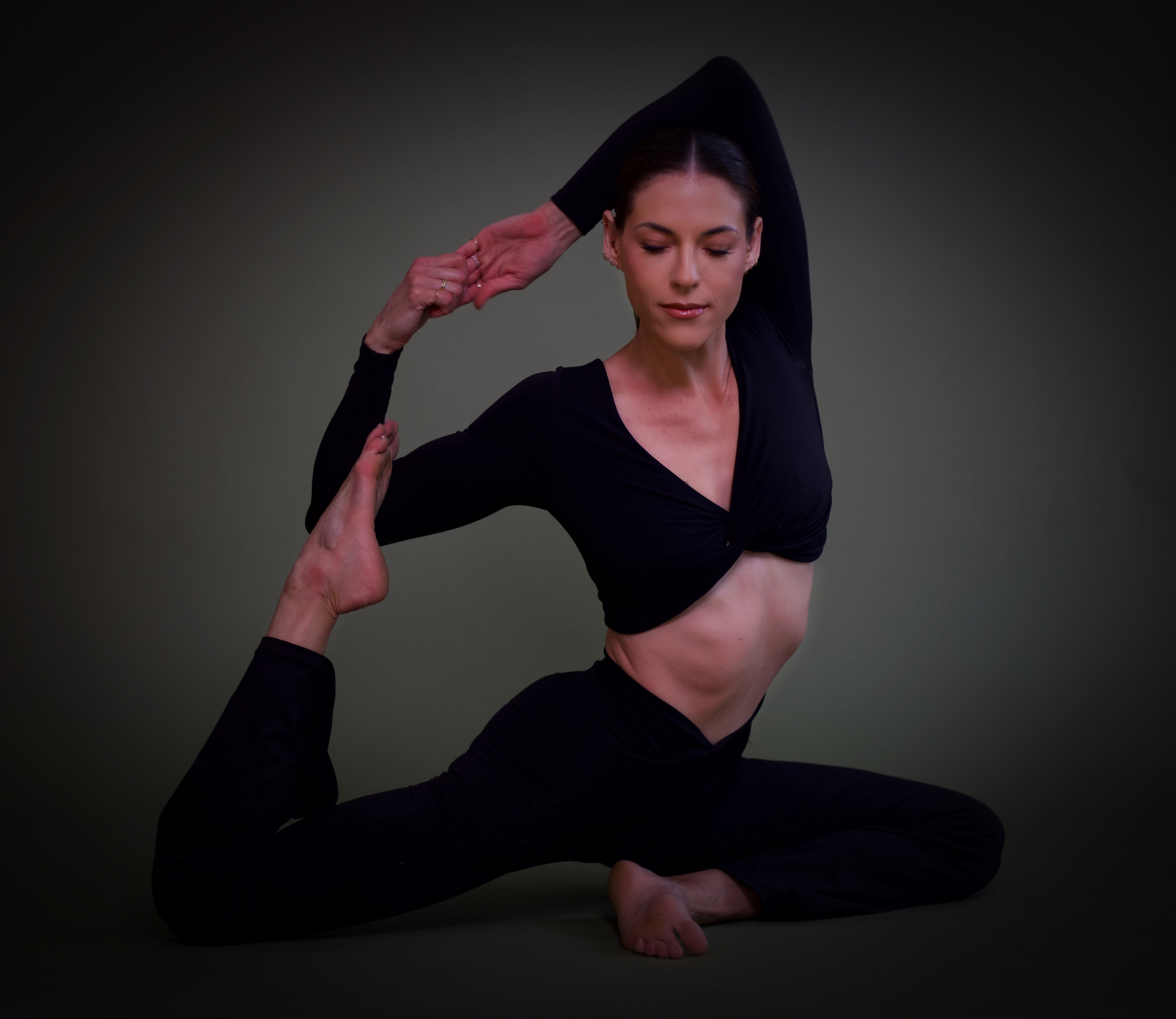
Table of Contents
Table of Contents
Keep Exploring
Explore more terms, styles, and find studios near you.
Find Studios Near You