Yin Yoga
YIN YOH-gah
Slow, Meditative Stretches for Deep Release
Also called: Yin Practice
The practice of stillness under gentle stress. Yin Yoga holds passive poses for extended periods—typically 3 to 5 minutes—to access deep connective tissues, cultivate patience, and discover what arises when you simply stay.
The Three Principles
Every Yin pose follows three core principles:
Come into the pose at an appropriate depth—not your maximum, but a place where you feel sensation without pain or strain.
Once you've found your edge, stop moving. Let the muscles soften. Avoid fidgeting or adjusting unless something feels wrong.
Stay for time—usually 3-5 minutes. This extended duration allows stress to reach deeper tissues that don't respond to brief stretches.
Target Areas
Yin Yoga primarily focuses on the lower body, where the densest connective tissue surrounds major joints:
Common Yin Poses
A deep lunge with back knee down. Front knee stacked or moved forward. Many variations allow customization for different bodies.
Soles of feet together, knees wide. Spine rounds forward. A gentle fold, not forcing depth—let gravity work over time.
Seated forward fold with legs extended. Let the spine round naturally. Head can hang or rest on a block.
One shin forward, back leg extended behind. Fold forward over front leg. Deep external hip rotation.
Knees stacked one over the other, sitting on or between heels. Intense outer hip opener—props often needed.
Gentle backbend on forearms (Sphinx) or straight arms (Seal). Compression in lumbar spine stimulates disc health.
Kneeling, then reclining back. Can use bolster for support. Intense front-body stretch—not for all bodies.
Supine twist with legs crossed or stacked. Arms open wide. Held for several minutes each side.
Yin vs. Restorative Yoga
These slow practices are often confused. The key difference is intention:
Benefits of Yin Yoga
- Increases joint flexibility and range of motion
- Hydrates and lengthens connective tissue
- Stimulates the meridian system (TCM perspective)
- Improves circulation to joint capsules
- Develops patience and tolerance for discomfort
- Cultivates mindfulness and presence
- Balances active yang practices
- Reduces stress through stillness
- Prepares body for seated meditation
- Supports healthy aging of joints
The Rebound Effect
One of Yin's unique experiences is the "rebound"—what happens when you come out of a long-held pose. After several minutes in Dragon pose, for example, you might feel a rush of sensation, energy, or even emotion as you release the shape. This is part of the practice.
Between poses, Yin practitioners often rest in a neutral position (sometimes called "pentacle"—lying on the back with limbs spread) for 1-2 minutes, allowing the body to integrate before moving into the next shape. This pause is as important as the poses themselves.
Who Should Practice (and Who Should Be Careful)
- Athletes and active practitioners — Complements high-intensity training
- Those with tight hips or hamstrings — Works where short stretches can't reach
- Desk workers — Counteracts chronic sitting patterns
- Meditators — Prepares the body for long sitting
- Anyone seeking balance — If your life is all yang, you need yin
What to Expect in Class
A typical Yin class includes 5-8 poses held for 3-5 minutes each, with brief rest periods between. The room temperature is usually moderate (not heated). Music, if any, tends to be ambient and quiet. Teachers offer verbal guidance but minimal physical adjustments—the practice is internal.
Expect mental challenges as much as physical ones. Three minutes is a long time when you're uncomfortable. The practice teaches you to stay—to observe sensation without reacting, to breathe through difficulty, to discover that discomfort is not the same as damage. This tolerance for stillness and sensation often translates into resilience off the mat.
Find Your Balance
Discover studios offering Yin Yoga classes in your area.
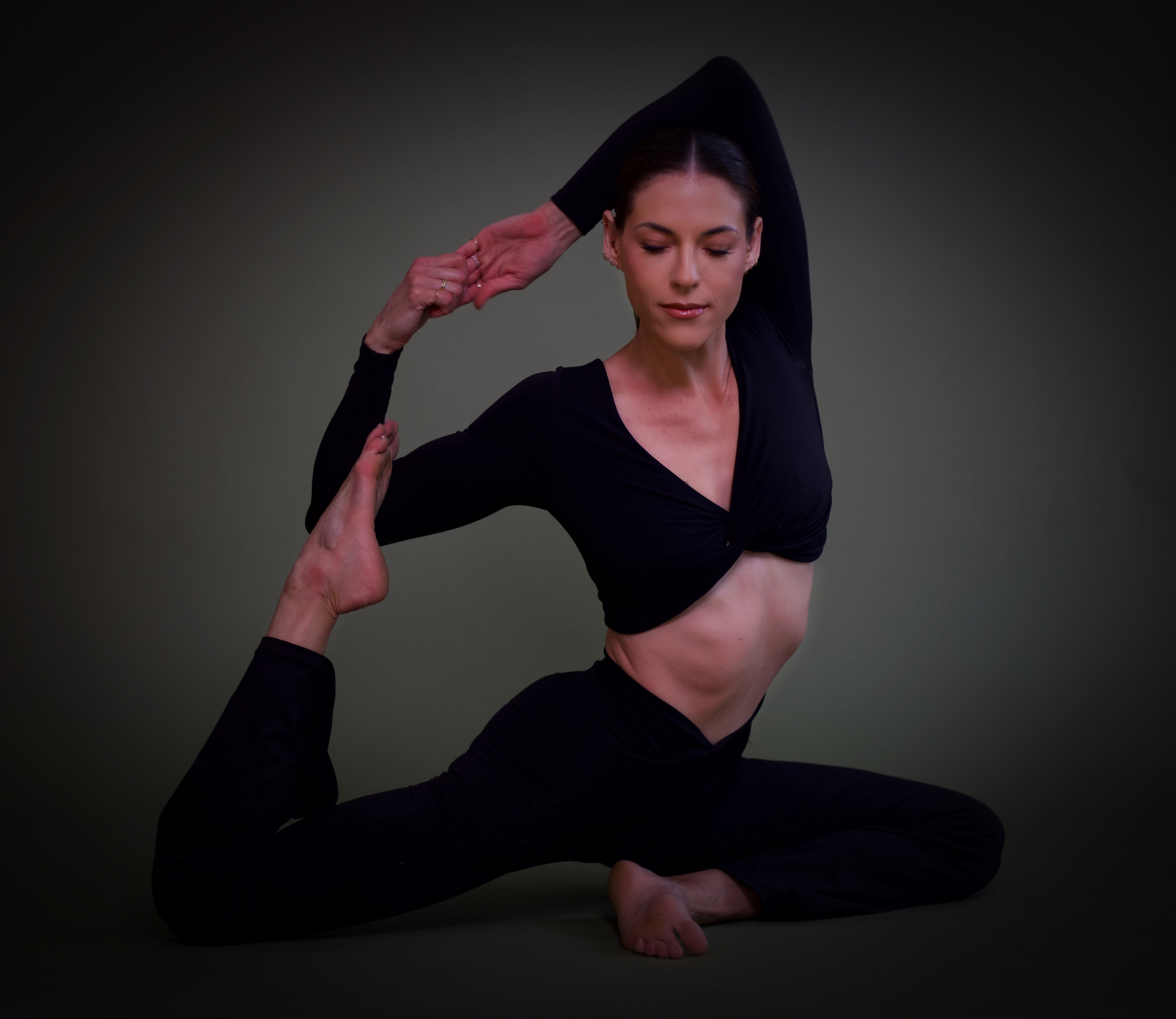
Table of Contents
Table of Contents
Keep Exploring
Explore more terms, styles, and find studios near you.
Find Studios Near You