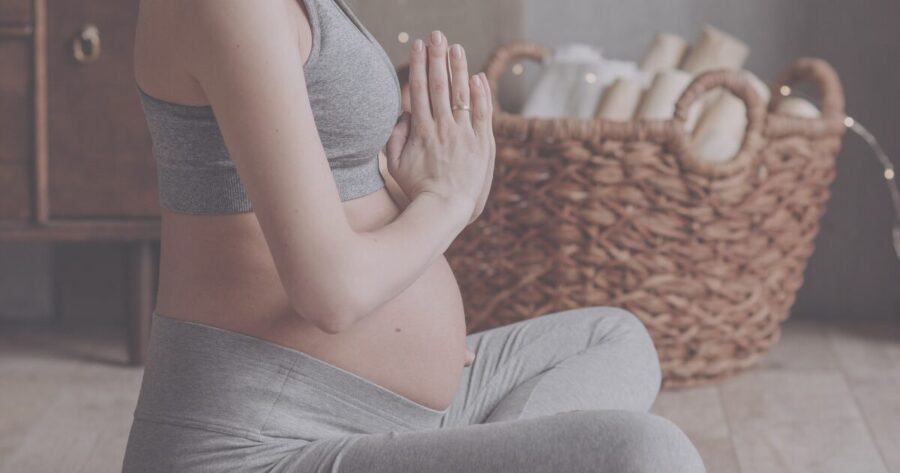
Prenatal Yoga
A gentle and empowering practice designed to support the physical, emotional, and energetic needs of pregnant individuals through each stage of pregnancy, using modified postures, breathwork, and relaxation techniques to ease discomfort, build strength, foster connection with baby, and prepare the body and mind for birth.
What is Prenatal Yoga?
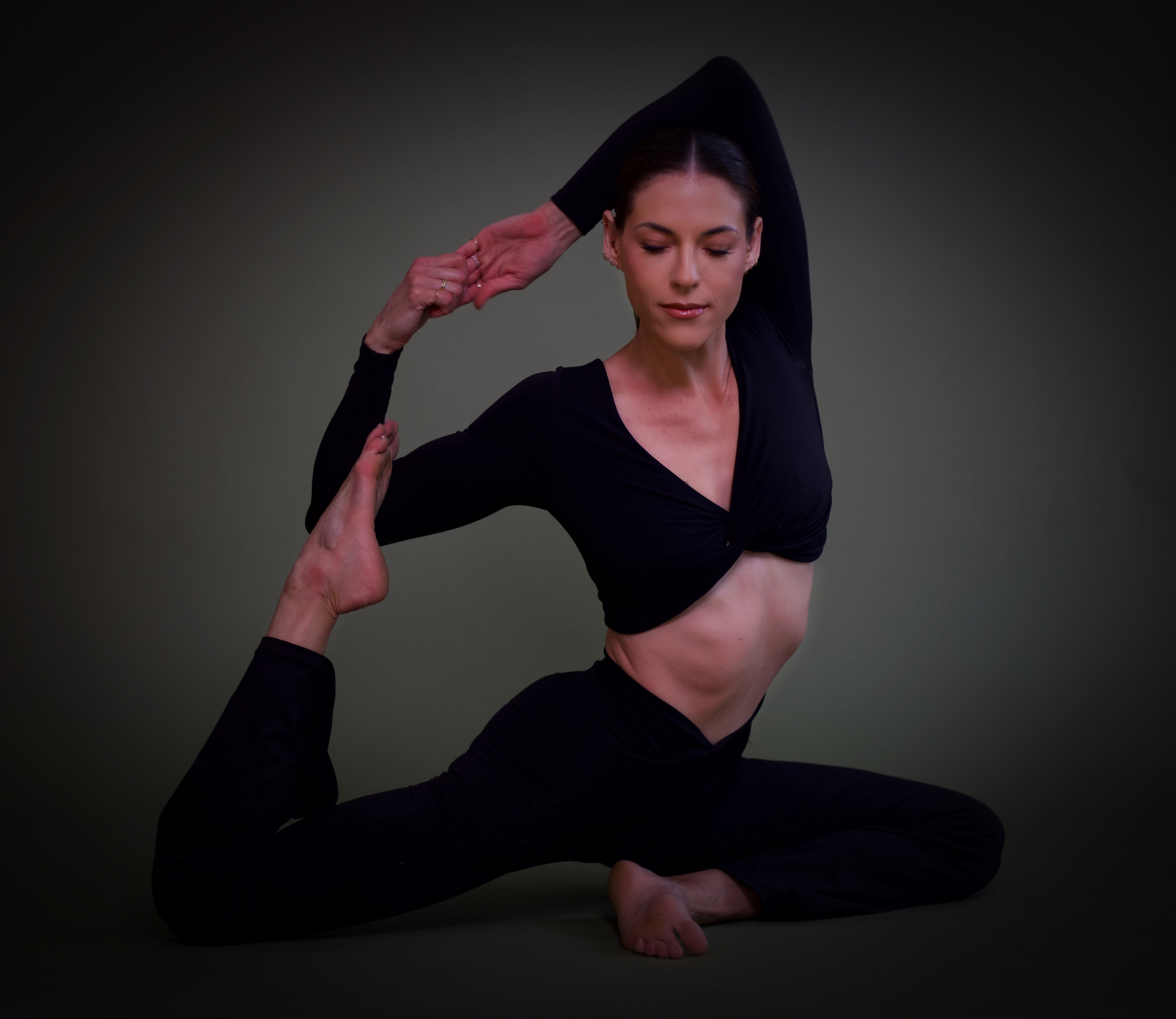
Prenatal Yoga is a nurturing practice specifically designed to support pregnant people through all three trimesters. This gentle, body-aware approach adapts traditional yoga poses to accommodate a growing belly, shifting center of gravity, and changing energy levels while building strength for labor and postpartum recovery. Classes emphasize pelvic floor awareness, breath techniques for managing labor, and creating community with other expecting parents. More than just modified poses, Prenatal Yoga honors the profound transformation happening physically, emotionally, and spiritually.
Quick Facts
Overview
Prenatal Yoga: Sacred Movement for the Journey of Motherhood
Far from being a watered-down yoga class, Prenatal Yoga is a full-spectrum practice that meets you where you are, recognizing the immense transformation happening physically, emotionally, and spiritually.
Whether you’re looking to:
- •Soothe physical discomforts
- •Strengthen key muscle groups for labor and postpartum
- •Bond with your baby
- •Prepare your mind for childbirth
- •Or simply slow down and feel held
Prenatal Yoga offers a safe and sacred space for your evolving journey.
What to Expect in a Prenatal Yoga Class
Gentle, Pregnancy-Safe Modifications
Every pose is adapted for your changing body. No deep twists, no lying flat on your back after the first trimester, no pressure on the belly. Teachers will offer multiple options for each pose, and you'll be encouraged to use props—blocks, bolsters, blankets—to support your body. Nothing is forced. If a pose doesn't feel right, you stop. Your body knows what it needs.
Focus on Pelvic Floor and Breath
Prenatal Yoga emphasizes pelvic floor awareness and breath techniques that prepare you for labor. You'll learn how to engage and release the pelvic floor, coordinate breath with movement, and practice breathing patterns that can help you manage contractions. This isn't abstract—it's practical preparation for birth.
Community and Support
Prenatal classes bring together people who are navigating the same journey. You'll share space with others in various stages of pregnancy, and there's often time for questions, sharing experiences, or simply feeling less alone. The community aspect is as valuable as the physical practice—maybe more so.
Preparation for Labor and Birth
Beyond the poses, Prenatal Yoga teaches you how to trust your body, stay present through discomfort, and surrender to what's happening. These are the same skills you'll need in labor. The practice isn't just about staying fit—it's about building confidence, resilience, and the ability to meet intensity with breath and presence.
Origins and Philosophy of Prenatal Yoga
Prenatal Yoga draws from:
- •Classical Hatha Yoga and restorative practices
- •Modern understanding of pregnancy anatomy and physiology
- •The intention to support the sacred rite of passage into motherhood
It is deeply influenced by Ayurvedic principles, emphasizing balance, nourishment, and grounding during the Vata-increasing time of pregnancy.
Style and Structure
Style:
Prenatal Yoga is:
- •Gentle and safe, with carefully adapted asana
- •Emotionally attuned, offering space for release and connection
- •Grounded in breathwork, supporting both nervous system and labor prep
- •Often group-focused, fostering connection among pregnant people
Structure:
A typical Prenatal Yoga class may include:
- •Gentle centering and intention setting
- •Breath practices (like 3-part breath or “Golden Thread” breathing)
- •Sequences to strengthen hips, legs, and back
- •Pelvic floor engagement and education
- •Modifications of classical asanas using props and support
- •Gentle twists, heart openers, and side body expansion
- •Guided relaxation or visualization to connect with baby
- •Time for reflection, sharing, or questions
Breath and Flow
Breath:
Breath is central to Prenatal Yoga. Practices include:
- •Calming breath to soothe anxiety and cultivate presence
- •Labor breath techniques for endurance and trust
- •Pelvic floor coordination with breath to support birth and postpartum recovery
- •Breathing with baby, fostering connection and awareness
The breath becomes both tool and teacher, helping prepare for the rhythms of labor and the waves of parenthood.
Flow:
Movement is:
- •Slow and fluid, with lots of space and permission
- •Adapted to trimester and individual capacity
- •Supportive rather than strenuous — it’s about building resilience, not pushing limits
Transitions are intentionally spacious, avoiding compression and overstretching.
Pace, Focus and Teacher Role
Pace:
Pace varies by:
- •Trimester (e.g., more energy in second trimester vs. fatigue in third)
- •Individual needs (every pregnancy is different)
- •Class theme (restorative vs. strengthening, calming vs. energizing)
All pacing is consent-based and intuitive, with space for breaks and modifications.
Focus:
Prenatal Yoga focuses on:
- •Strength and endurance for labor (especially legs, hips, and back)
- •Pelvic floor and core awareness
- •Emotional resilience and inner trust
- •Bonding with baby
- •Community support and shared wisdom
- •Nervous system regulation for the mother and developing baby
Teacher Role:
Teachers serve as:
- •Guides, not gurus — offering tools, not prescriptions
- •Holders of nonjudgmental space
- •Educators on safe alignment, common pregnancy discomforts, and birth prep
- •Compassionate listeners, supporting every kind of pregnancy journey
- •Trusted facilitators of connection, confidence, and empowerment
Vibe:
The vibe is:
- •Warm, nurturing, and safe
- •Empowering and intuitive
- •Noncompetitive and body-positive
- •Communal, often with moments of sharing or support circles
Classes often feel like soft landings in an otherwise busy or anxious time — a place to breathe, be, and become.
Benefits of Prenatal Yoga
Prenatal Yoga offers benefits across physical, mental, and energetic dimensions of practice.
Eases Lower Back Pain
Gentle stretches and strengthening poses target the lower back and hips, providing relief from pregnancy-related discomfort while improving posture and alignment.
Reduces Anxiety and Stress
Mindful breathing, meditation, and gentle movement calm the nervous system, reducing pregnancy anxiety and promoting emotional wellness for both mother and baby.
Prepares Pelvic Floor for Labor
Targeted exercises strengthen and create awareness of the pelvic floor, preparing it for labor while reducing risk of incontinence postpartum.
Improves Sleep Quality
Gentle evening practices and relaxation techniques help pregnant women achieve deeper, more restorative sleep during a time when rest is crucial.
Reduces Swelling and Edema
Gentle movement and poses that support circulation help reduce water retention and swelling common in late pregnancy.
Strengthens Muscles for Labor
Prenatal yoga builds the stamina, strength, and flexibility needed to support your body through the physical demands of labor and delivery.
Who Is Prenatal Yoga For?
Prenatal Yoga is ideal for:
- •Anyone who is pregnant (regardless of yoga experience!)
- •Those navigating physical or emotional shifts during pregnancy
- •People looking for gentle movement and inner connection
- •Students seeking to prepare for childbirth with breath and trust
- •Individuals wanting to honor this phase as sacred and embodied
Modifications can make it accessible for:
- •High-risk pregnancies (with clearance)
- •Those new to yoga or returning from injury
- •Every trimester and energy level
Frequently Asked Questions
Is prenatal yoga safe in the first trimester?
Yes, with your provider's approval. The first trimester is when most caution is applied—avoid intense heat, deep twists, and lying flat on your back for extended periods. Many studios have dedicated first-trimester modifications. The most important rule: tell your teacher you're pregnant at the start of every class, including how far along you are.
Can I start prenatal yoga if I've never done yoga before?
Absolutely. Prenatal yoga is designed for all levels, including complete beginners. The practice adapts to your body, not the other way around. Many people find pregnancy is actually the perfect time to begin—the motivation is real, the community is supportive, and the physical benefits are immediate. You don't need a yoga background to benefit from breathwork, pelvic floor awareness, and gentle strength work.
How often should I practice prenatal yoga?
Two to three times per week is a good starting point for most people. Listen to your body—energy levels shift considerably by trimester. In the second trimester, many practitioners feel strong enough to increase frequency. In the third, shorter sessions or more restorative practices may feel more appropriate. Consistency matters more than intensity.
What poses should I avoid during pregnancy?
Deep twists (especially those that compress the abdomen), strong inversions, prone poses (lying on your stomach), deep backbends, and any pose that feels uncomfortable or compresses the belly. After the first trimester, avoid lying flat on your back for extended periods—the weight of the uterus can compress the vena cava. A qualified prenatal teacher will guide modifications for all of these.
Can prenatal yoga help with labor?
Yes—in several specific ways. Breathwork practiced in prenatal yoga translates directly to managing contractions. Hip-opening poses prepare the pelvis for birth. Pelvic floor awareness helps with both pushing and recovery. And perhaps most importantly, the practice teaches you to stay present and breathe through discomfort—one of the most useful skills in labor. It's not a guarantee of an easy birth, but it's genuine preparation.
Conclusion
Prenatal Yoga is a sacred pause in a season of transformation — a space to breathe, soften, and strengthen.
Through mindful movement, intentional breath, and loving presence, this practice empowers you to move through pregnancy with grace, groundedness, and trust in your own innate wisdom.
It’s not just preparation for birth — it’s preparation for the next version of you.
Explore Related Yoga Styles
If you are drawn to Prenatal Yoga’s gentleness and support, Hatha Yoga offers a slower, balanced practice that builds steady strength and calm. For deep rest and replenishment, Restorative Yoga provides a nurturing space to soften and receive. If mindful alignment feels important to you, Iyengar Yoga (with props and modifications) can offer safe, intelligent structure during and after pregnancy. Postpartum, the slow, introspective stillness of Yin Yoga can help reconnect you with your body and release held tension. And when the time feels right, gentle Vinyasa Yoga can reintroduce fluid movement and energy flow.
Sources & Further Reading
- 1.ACOG. “Exercise During Pregnancy.” acog.org
- 2.Babbar, Shilpa et al. “Yoga During Pregnancy.” Obstetrics & Gynecology, 2012.
- 3.Harvard Health Publishing. “Yoga — Benefits Beyond the Mat.” harvard.edu
- 4.NIH NCCIH. “Yoga: What You Need To Know.” nccih.nih.gov
Lisa Marie
E-RYT 500
Lisa Marie is an E-RYT 500 certified yoga teacher with 20+ years of personal practice and 15+ years teaching. She specializes in Vinyasa, Hatha, and restorative practices, with training in the Ashtanga tradition. Lisa Marie is co-founder of Viveka Yoga Studio in Downtown Los Angeles.
Related Content
Continue your yoga journey with these related guides
Hatha Yoga
Gentle foundational practice—accessible poses and mindful pacing perfect for expecting mothers and postpartum recovery.
Explore Hatha →Restorative Yoga
Deep rest through prop support—nervous system healing essential for pregnancy recovery and postpartum restoration.
Explore Restorative →Yin Yoga
Meditative stillness and deep stretching—safe hip opening and flexibility work that complements prenatal practice.
Explore Yin →Find Your Perfect Prenatal Yoga Class
Connect with experienced prenatal yoga teachers and studios in your area.
Search Classes →