
12 BENEFITS
Transformative Benefits of Ashtanga Yoga
From strength building to mental discipline, discover how Ashtanga transforms body and mind
From strength building to mental discipline, discover how Ashtanga transforms body and mind
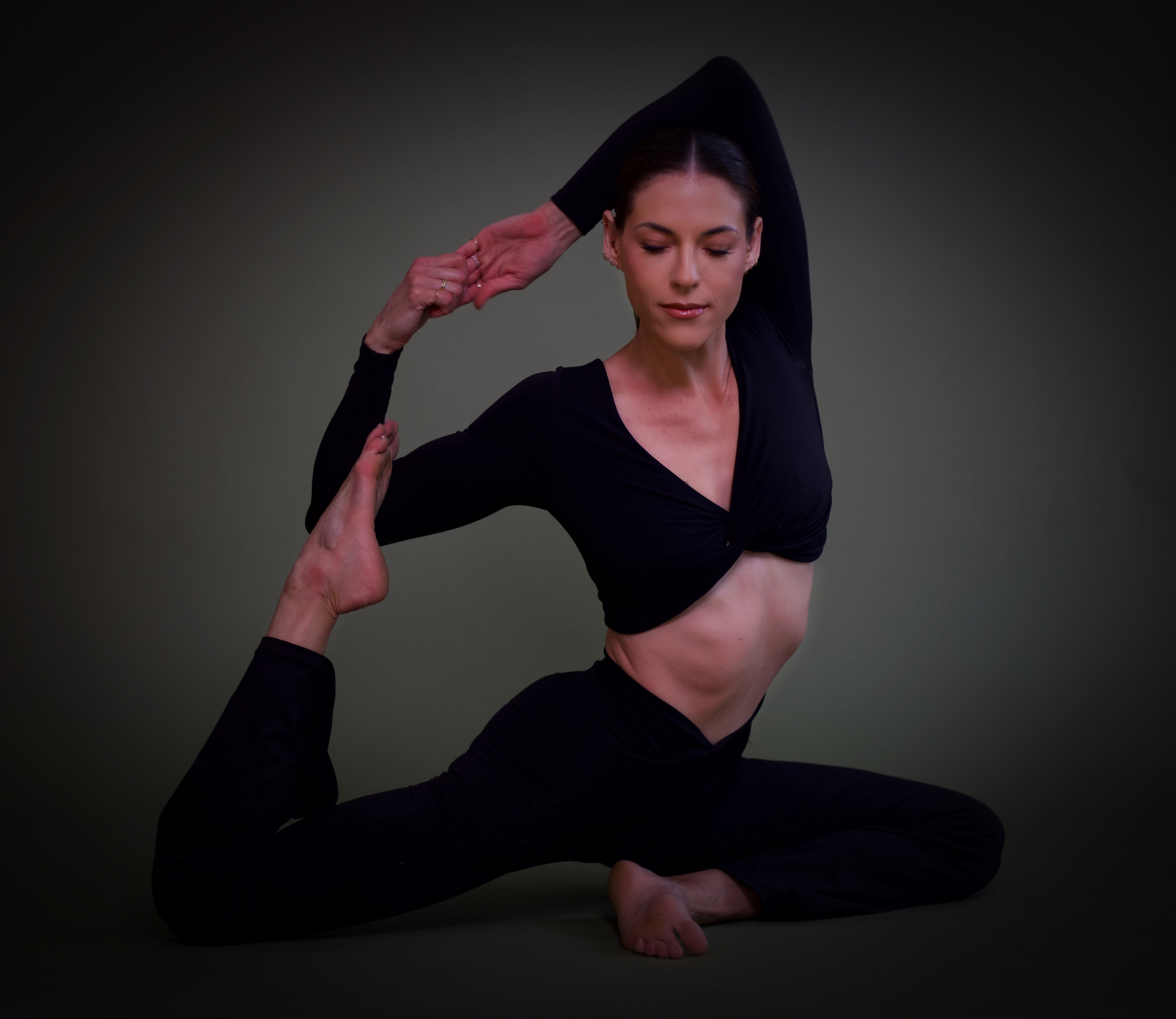
From strength building to mental discipline, discover how Ashtanga transforms body and mind
Ashtanga Yoga is not for the faint of heart. It demands discipline, consistency, and commitment—but for those who answer its call, it offers something profound: transformation through devotion. Following the same sequence every day might sound monotonous, but within that repetition lies freedom. You learn to observe your progress, to meet yourself where you are, and to discover that discipline isn't restriction—it's devotion in action.
Ashtanga's flowing sequences use body weight and breath to develop deep, functional strength—both physical and mental—that serves you on and off the mat.
Following the same sequence daily fosters commitment, focus, and steady progress—teaching you that showing up is half the practice.
Repetition of postures allows the body to open safely over time, cultivating lasting flexibility without force or rushing the process.
Linked movement and breath (vinyasa) generate internal heat—supporting circulation, stamina, and vitality throughout your practice and daily life.
Each pose is guided by Ujjayi breath, teaching you to stay calm and centered even in challenge—a skill that transforms how you handle stress.
Ashtanga integrates asana (posture), pranayama (breath), and drishti (gaze)—uniting body, breath, and mind in single-pointed awareness.
The heat created by breath and movement helps release toxins through sweat, leaving the body cleansed, energized, and revitalized.
Continuous transitions and balance poses engage the entire body—especially the core—enhancing posture, steadiness, and inner strength.
The repetition of a set sequence trains the mind to stay present, even when the body is challenged or distracted—building true mental fortitude.
The structured, meditative nature of the practice provides an outlet for stress and emotion, fostering calm and self-awareness.
Once learned, Ashtanga can be practiced anywhere—empowering you to take ownership of your progress and deepen your connection to yoga.
Passed down through teacher–student lineage, Ashtanga honors yoga's classical roots while offering a transformative path for modern practitioners.
Practice and all is coming. The yoga practice is meant to prepare the body as a vehicle for the mind's evolution.
— K. Pattabhi Jois, Founder of Ashtanga Yoga
Now that you understand the benefits, dive deeper into our comprehensive Ashtanga Yoga guide. Learn about the traditional sequences, the Tristhana method, and how to find qualified instructors near you.
Find Studios Near YouAshtanga can be practiced by beginners, but it's physically demanding. Many studios offer modified or beginner-friendly Ashtanga classes. The set sequence means you can learn at your own pace and track your progress clearly over time. Start where you are and be patient with yourself.
Traditional Ashtanga practitioners practice six days a week, resting on moon days and Saturdays. However, beginners often start with 2-3 times per week. Consistency matters more than frequency—find a rhythm you can sustain and build from there.
Ashtanga follows a set sequence of postures, uses Ujjayi breath throughout, and incorporates the Tristhana method (posture, breath, and gaze point). It's more structured and physically demanding than most other styles, emphasizing discipline, tradition, and the transformative power of daily practice.
Tristhana refers to three places of attention: posture (asana), breathing system (pranayama using Ujjayi breath), and looking place (drishti or gaze point). By focusing on all three simultaneously, practitioners develop deep concentration and a moving meditation that distinguishes Ashtanga from other yoga styles.

Lifelong yoga student and teacher with expertise in Classical Hatha, Ashtanga Vinyasa, and Iyengar yoga. Dedicated to making authentic yoga wisdom accessible to modern practitioners.