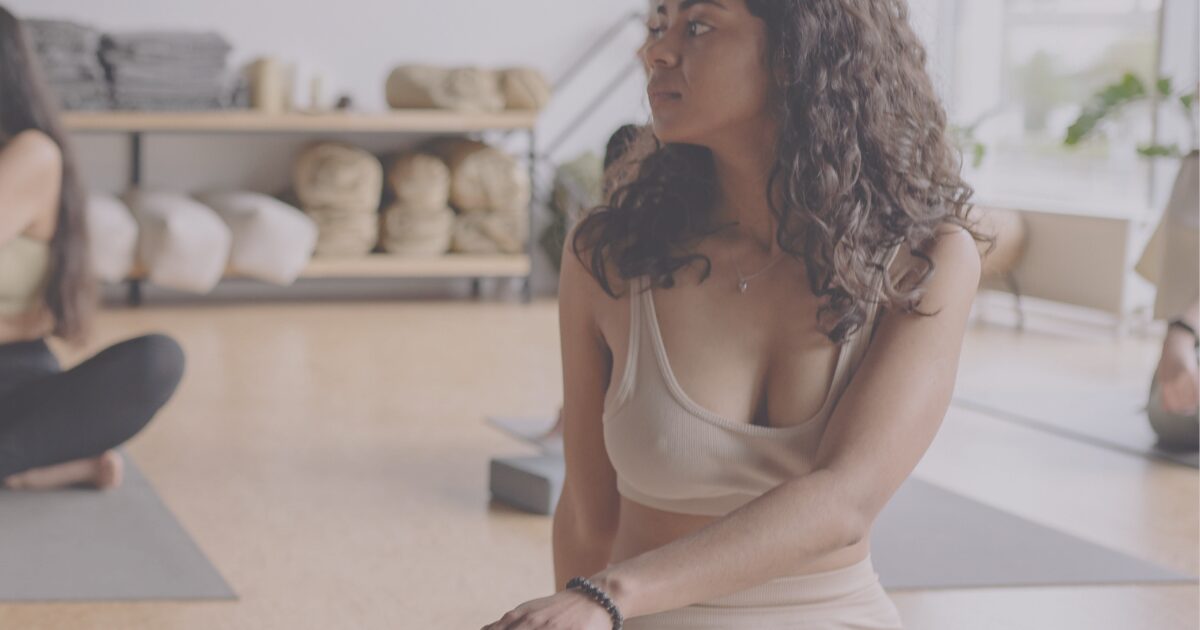
YIN
VS
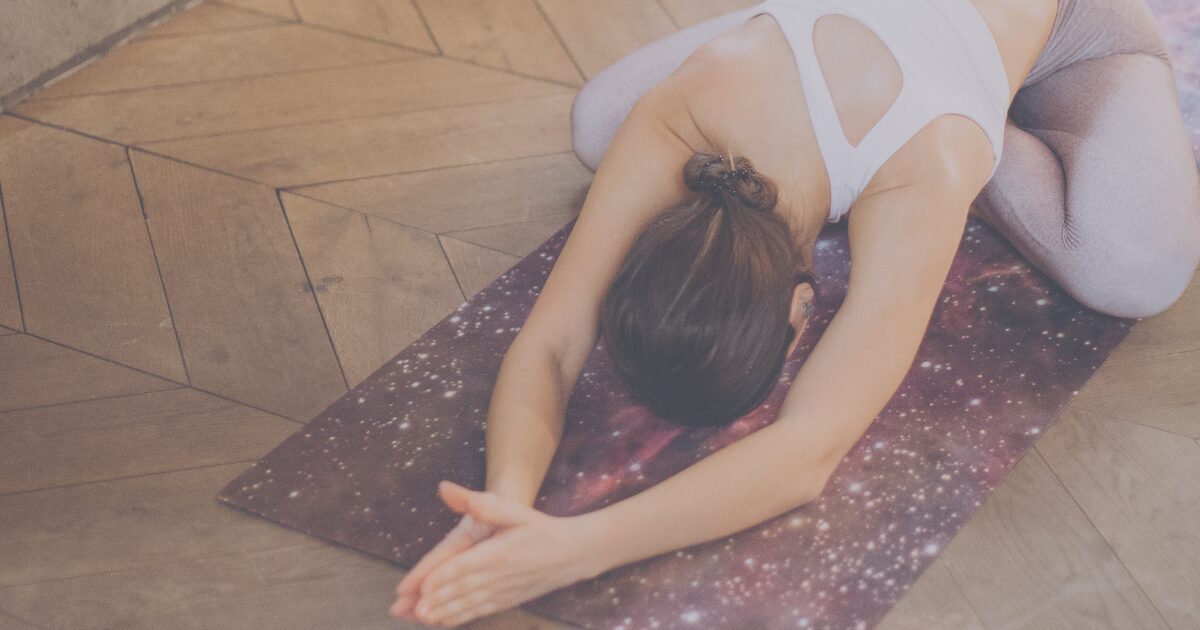
RESTORATIVE
Yin vs Restorative YogaWhich Practice Is Right for You?
One changes your body. The other resets your nervous system.
One changes your body. The other resets your nervous system.
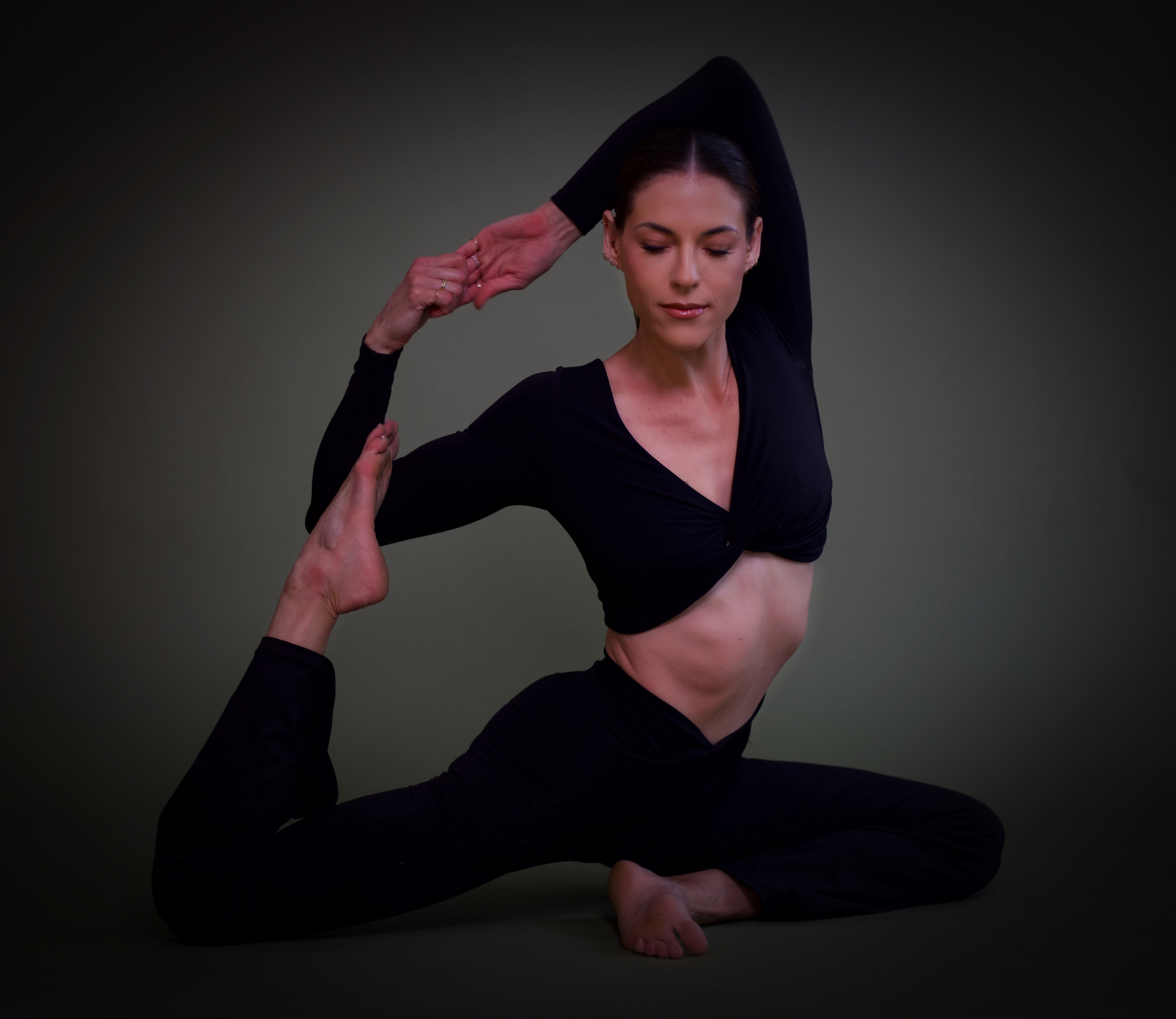
Yin yoga holds passive poses for 3-5 minutes to stress connective tissue - fascia, ligaments, joints - producing lasting flexibility and a deep sense of release. Restorative yoga uses heavy propping to eliminate all muscular effort, allowing your nervous system to shift from stress mode into full recovery. Both feel slow. Only Yin produces a stretch. Only Restorative produces complete physiological rest.
You enter a pose - Dragon, Butterfly, Sleeping Swan - and you wait. Three minutes. Five minutes. The first minute you feel a stretch. By minute three, you feel something deeper: the slow yield of connective tissue that never opens under a ten-second hold.
This is Yin's target: fascia, ligaments, and the joint capsule itself. These dense tissues need sustained, low-load stress to remodel. Dynamic yoga and weight training don't touch them the same way. Yin does.
The sensation in Yin is described as a "good ache" - not sharp, not painful, but present. If you feel electric or joint-pinching sensations, you've gone too deep. The practice teaches you to stay at the edge without crossing it, which is itself a mindfulness practice most students didn't expect.
You lie on a bolster. A teacher stacks blankets under your knees. An eye pillow goes across your eyes. You hold a supported pose for ten, fifteen, twenty minutes - and the only instruction is to let go.
This is Restorative's mechanism: complete elimination of muscular effort triggers a parasympathetic nervous system response. Heart rate drops. Cortisol falls. Breath slows without trying. The body shifts from threat-response into restoration mode - the state where cellular repair, immune function, and emotional processing accelerate.
You should feel nothing - no stretch, no effort, no discomfort. If you're working to hold yourself up in a Restorative pose, you need more props. The point is that your body can fully release, which most of us never actually experience.
| Yin Yoga | Restorative Yoga | |
|---|---|---|
| Primary Goal | Release connective tissue | Reset nervous system |
| Hold Time | 3-5 minutes | 5-20 minutes |
| Sensation | Deep ache - you feel it working | Complete comfort - nothing should hurt |
| Props | Minimal - just enough support | Maximum - fully bolstered |
| Target | Fascia, ligaments, joints | Vagus nerve, stress response |
| Energy After | Loose, open, grounded | Quiet, restored, ready for sleep |
| Best For | Tight hips, chronic tension, athletes | Burnout, anxiety, insomnia, recovery |
| Effort Level | Passive but not effortless | Zero muscular effort required |
| Age | All ages; teens through seniors | All ages; especially valuable 40+ |
They're not competing. Many students use Yin to open the body and Restorative to restore the mind - often in the same week. Some studios offer classes that layer them: thirty minutes of Yin to release tissue, then thirty minutes of Restorative to let the nervous system land.
I often recommend trying both before deciding. Some bodies crave the deep ache of Yin. Others find their healing in Restorative's complete surrender. Most benefit from both. Start with whichever sounds less familiar - that's usually the one you need more.
E-RYT 500
Lisa Marie is an E-RYT 500 certified yoga teacher with 20+ years of personal practice and 15+ years teaching. She specializes in Vinyasa, Hatha, and restorative practices, with training in the Ashtanga tradition. Lisa Marie is co-founder of Viveka Yoga Studio in Downtown Los Angeles.
Yes - they stack well. Many practitioners use Yin 2-3 times per week for tissue release and add a Restorative class on the most depleted day. No recovery conflict.
Restorative is more targeted. Its direct activation of the parasympathetic nervous system counters the fight-or-flight pattern that disrupts sleep. One weekly Restorative class, or even 20 minutes of Supported Child Pose before bed, often shows results within two to three weeks.
Proceed with caution. Yin applies sustained load to connective tissue - if your connective tissue is already lax, you can overstress joints rather than open them. Tell your teacher before class. Modified Yin with props providing more stop points is usually fine; deep passive hip openers are where hypermobile students need the most awareness.
Most students notice a genuine difference in 4-6 weeks of consistent practice (2-3 sessions per week). Connective tissue adapts more slowly than muscle, but the gains hold longer.
Completely normal - and often a sign your nervous system needed the recovery. The parasympathetic benefits still occur during light sleep. Most teachers consider it a success.
Neither requires prior experience. Restorative is arguably the most accessible yoga format - you spend the class lying on bolsters. Yin has a short learning curve around finding the right depth of sensation, which a good teacher will walk you through in your first class.
Connect with experienced yin or restorative yoga teachers and studios in your area.
Search Classes →