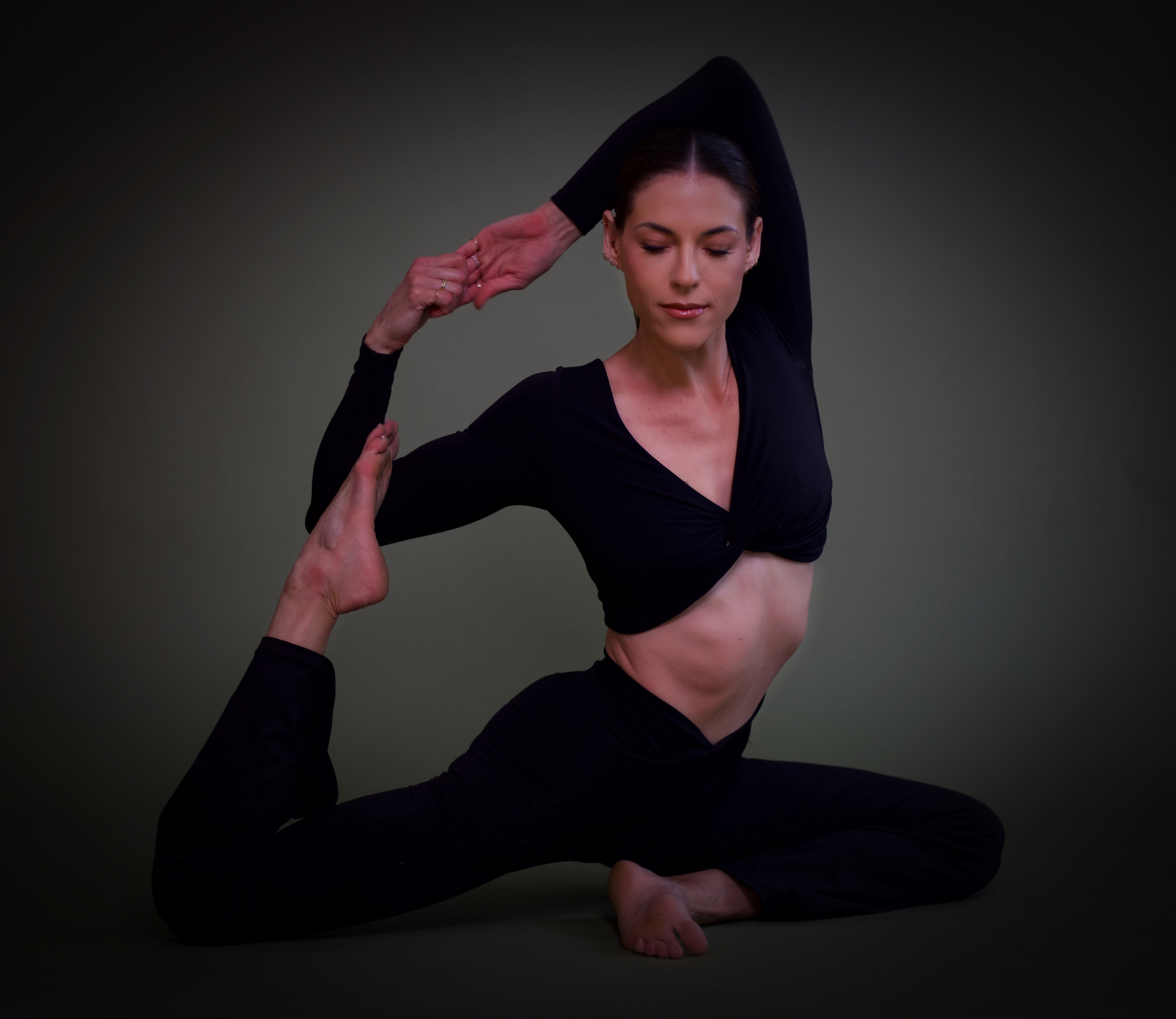
Chakra Defined
CHUHK-ruhChakra means "wheel" or "circle" in Sanskrit—spinning centers of energy that live along the spine, each one governing a different aspect of how we feel, express, and experience being alive.

What Are Chakras?
In yogic tradition, chakras are energy centers located along the central channel of the body—from the base of the spine to the crown of the head. The word itself comes from Sanskrit, meaning "wheel," and that's exactly how they're described: spinning vortexes where life force energy (prana) gathers, transforms, and flows outward into our physical, emotional, and spiritual lives.
There are seven primary chakras, each associated with specific qualities—physical organs, emotional patterns, psychological states, and spiritual capacities. When energy flows freely through these centers, we tend to feel balanced, grounded, and fully ourselves. When energy becomes blocked or stagnant, we might notice physical tension, emotional difficulty, or a sense of being disconnected from our deeper nature.
The chakra system isn't meant to be taken literally—you won't find chakras in an anatomy textbook. Instead, think of them as a map for understanding the relationship between body, mind, and spirit. A way of noticing where we hold tension, where we feel open, and where our attention might benefit from a little more care.
The Seven Chakras
Each chakra has its own location, color, element, and domain of influence. Here's how the traditional system unfolds from root to crown:
| Chakra | Location | Color | Governs |
|---|---|---|---|
| Muladhara (Root) | Base of spine | Red | Security, survival, grounding |
| Svadhisthana (Sacral) | Lower abdomen | Orange | Creativity, pleasure, emotions |
| Manipura (Solar Plexus) | Upper abdomen | Yellow | Willpower, confidence, identity |
| Anahata (Heart) | Center of chest | Green | Love, compassion, connection |
| Vishuddha (Throat) | Throat | Blue | Expression, truth, communication |
| Ajna (Third Eye) | Between eyebrows | Indigo | Intuition, insight, wisdom |
| Sahasrara (Crown) | Top of head | Violet/White | Spiritual connection, transcendence |
Chakras in Yoga Practice
You might hear teachers reference chakras during class—often as a way of directing awareness to specific areas of the body or inviting particular qualities into your practice. This isn't mysticism for its own sake; it's a practical framework for noticing what's happening inside.
For example:
- Grounding poses like Mountain Pose or Warrior I connect you to the earth, supporting the root chakra's sense of stability
- Hip openers like Pigeon Pose release tension in the sacral area, where we often hold emotional energy
- Heart-opening backbends like Cobra or Camel expand the chest and invite openness at the heart center
- Inversions like Headstand stimulate energy flow toward the upper chakras, supporting clarity and perspective
- Pranayama practices work directly with the breath to move energy through all seven centers
You don't need to believe in chakras as literal energy wheels to benefit from this approach. Simply bringing attention to different parts of the body—noticing where you feel open, where you feel tight, where your breath moves freely—is itself a powerful practice.
Why Chakras Matter
- A framework for self-inquiry — Chakras give you language for exploring the connection between physical sensations and emotional states
- Holistic wellbeing — The system reminds us that health isn't just physical—it includes our emotional, relational, and spiritual lives
- Targeted practice — Understanding which chakra might need attention helps you choose poses, breathwork, or meditations that address specific needs
- Mind-body connection — Working with chakras deepens your awareness of how thoughts, emotions, and physical sensations are interconnected
- Ancient wisdom, modern relevance — The chakra system offers insights that complement contemporary understanding of psychology and somatics
Signs of Chakra Imbalance
In the yogic view, each chakra can become deficient (underactive) or excessive (overactive). Neither is "bad"—they're simply signals inviting attention. Some common patterns:
Root Chakra
When out of balance, you might feel anxious, fearful, or disconnected from your body. Physical tension often shows up in the legs, feet, or lower back.
Sacral Chakra
Imbalance here can manifest as emotional volatility, creative blocks, or difficulty experiencing pleasure and ease in the body.
Solar Plexus Chakra
Signs include low self-esteem, difficulty making decisions, or alternatively, a need to control everything around you.
Heart Chakra
You might feel closed off from others, struggle with forgiveness, or have difficulty giving and receiving love freely.
Throat Chakra
Imbalance can appear as difficulty speaking your truth, fear of judgment, or conversely, speaking without listening.
Third Eye Chakra
When blocked, you might feel disconnected from intuition, struggle with clarity, or become overly analytical at the expense of wisdom.
Crown Chakra
Imbalance here often shows as feeling spiritually disconnected, overly attached to material concerns, or alternatively, ungrounded and "in the clouds."
Explore Chakra-Based Classes
Find yoga classes that incorporate chakra work—from Kundalini to Vinyasa with energy awareness.