ॐ
Chaturanga Dandasana
The four-limbed staff pose—a low hover that builds profound upper body strength while teaching the body to work as one integrated unit. It's the pose most likely to be done wrong, and the one worth learning to do right.
How to Practice Chaturanga
- Set Your Plank — 1Shoulders over wrists, body in one straight line from heels to crown. Engage your core.
- Step 2 — 1
- Shift Forward — 2Rock forward on your toes so shoulders move slightly past wrists. This sets up proper descent.
- Step 4 — 2
- Hug Elbows In — 3Keep elbows tracking straight back, hugging toward your ribs—not winging out to sides.
- Step 6 — 3
- Lower Halfway — 4Bend elbows to 90 degrees. Upper arms parallel to floor. Stop before shoulders dip below elbows.
- Step 8 — 4
- Hold or Transition — 5Hold the hover, or flow forward into Upward Dog. Never collapse to the mat.
- Step 10 — 5
Key Alignment Points
- Never drop below elbow height
- Shoulder heads stay lifted, not rounding forward
- Protract shoulder blades (spread apart)
- Keep space between ears and shoulders
Common Mistakes
- Shoulders diving below elbows — The most dangerous mistake. Stop your descent before this happens.
- Elbows winging out — Creates shearing force on shoulder joint. Keep elbows hugging ribs.
- Lower back sagging — Core isn't engaged. Body loses its "staff" shape.
- Hips piking up — Compensation for lack of strength. Maintain straight line.
- Rushing through — Speed masks poor form. Slow down to build correct patterns.
- Holding breath — Exhale as you lower. Breath supports movement.
Modifications & Building Strength
If you can't maintain proper form, you're not failing—you're being intelligent. Use these modifications:
Benefits of Chaturanga
- Builds significant upper body and core strength
- Develops shoulder stability and integrity
- Prepares body for arm balances
- Teaches full-body integration
- Builds wrist and forearm strength
- Develops mental focus and discipline
- Creates foundation for inversions
- Strengthens triceps and pectorals
When to Skip or Modify
Prioritize modification or alternatives in these situations:
A teacher who insists everyone do full Chaturanga isn't teaching—they're performing. A good teacher offers modifications and watches for breakdown in form. If you're in a class that doesn't, protect yourself.
Learn Chaturanga Safely
Find studios with teachers who can guide your alignment in person.
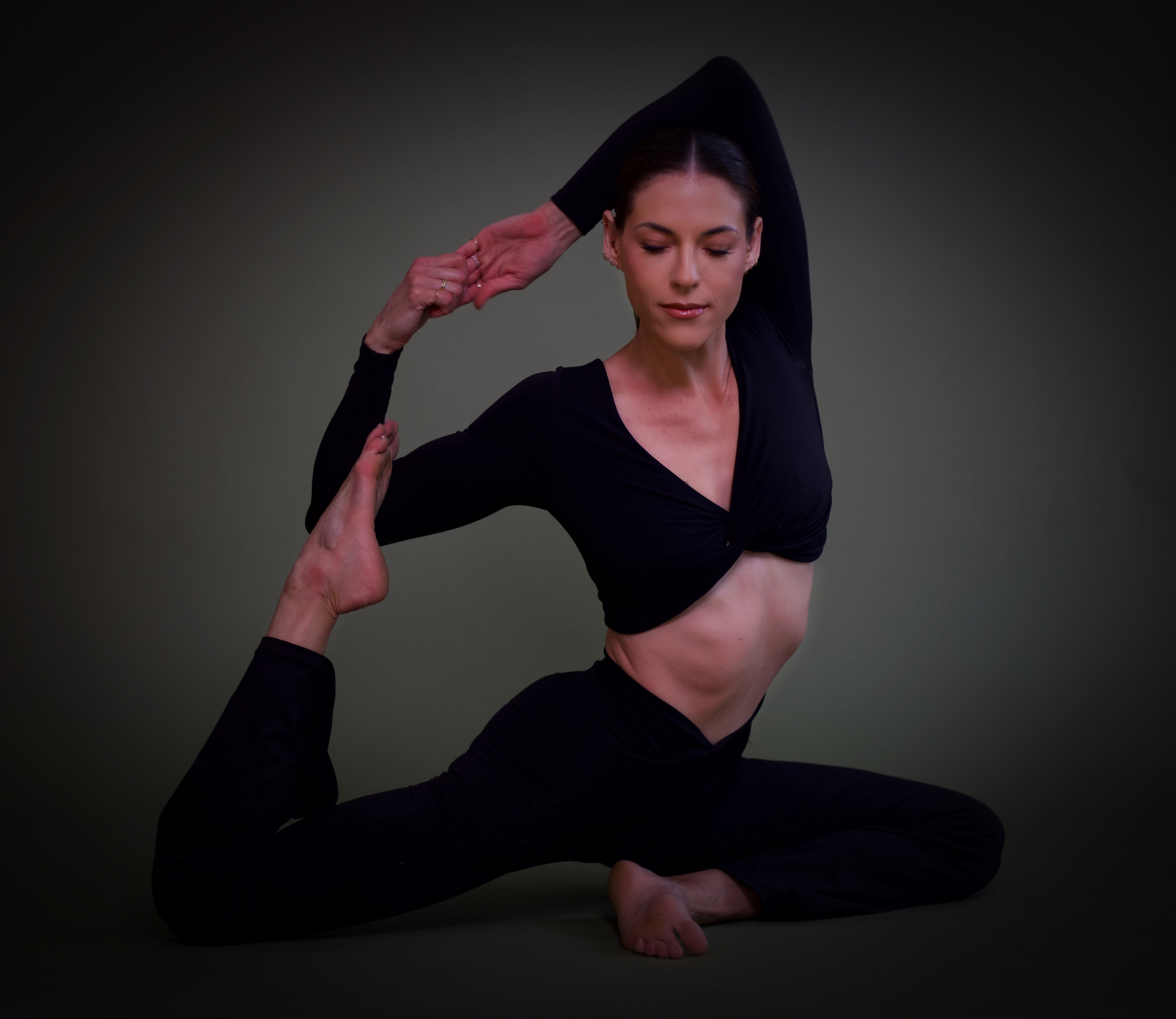
Lisa Marie|E-RYT 500 | 20+ Years Teaching
February 2026
Table of Contents
Table of Contents
KEEP LEARNING
Keep Exploring
Explore more terms, styles, and find studios near you.
Find Studios Near You