Yoga Hip Openers
Hip openers are yoga poses designed to increase flexibility and range of motion in the hip joint—one of the body's largest and most complex joints. From Pigeon to Butterfly, they release tightness, improve range of motion, and often unlock stored emotion.
What Are Hip Openers?
Hip openers are yoga poses designed to increase flexibility and range of motion in the hip joint—one of the body's largest and most complex joints. If you sit for work, drive regularly, or live a sedentary life, your hips have likely become tight and restricted. Hip opening poses address this universal modern condition.
The hip joint is a ball-and-socket designed for movement in multiple directions: forward, backward, side to side, and in rotation. A complete hip opening practice addresses all these movements, creating balanced flexibility throughout the joint.
Directions of Hip Opening
The hip moves in multiple planes. A balanced hip opening practice includes poses that work each direction:
Common Hip Opening Poses
Here's a selection of hip openers across different intensities and directions:
Seated with soles of feet together, knees falling open. Also known as Butterfly Pose.
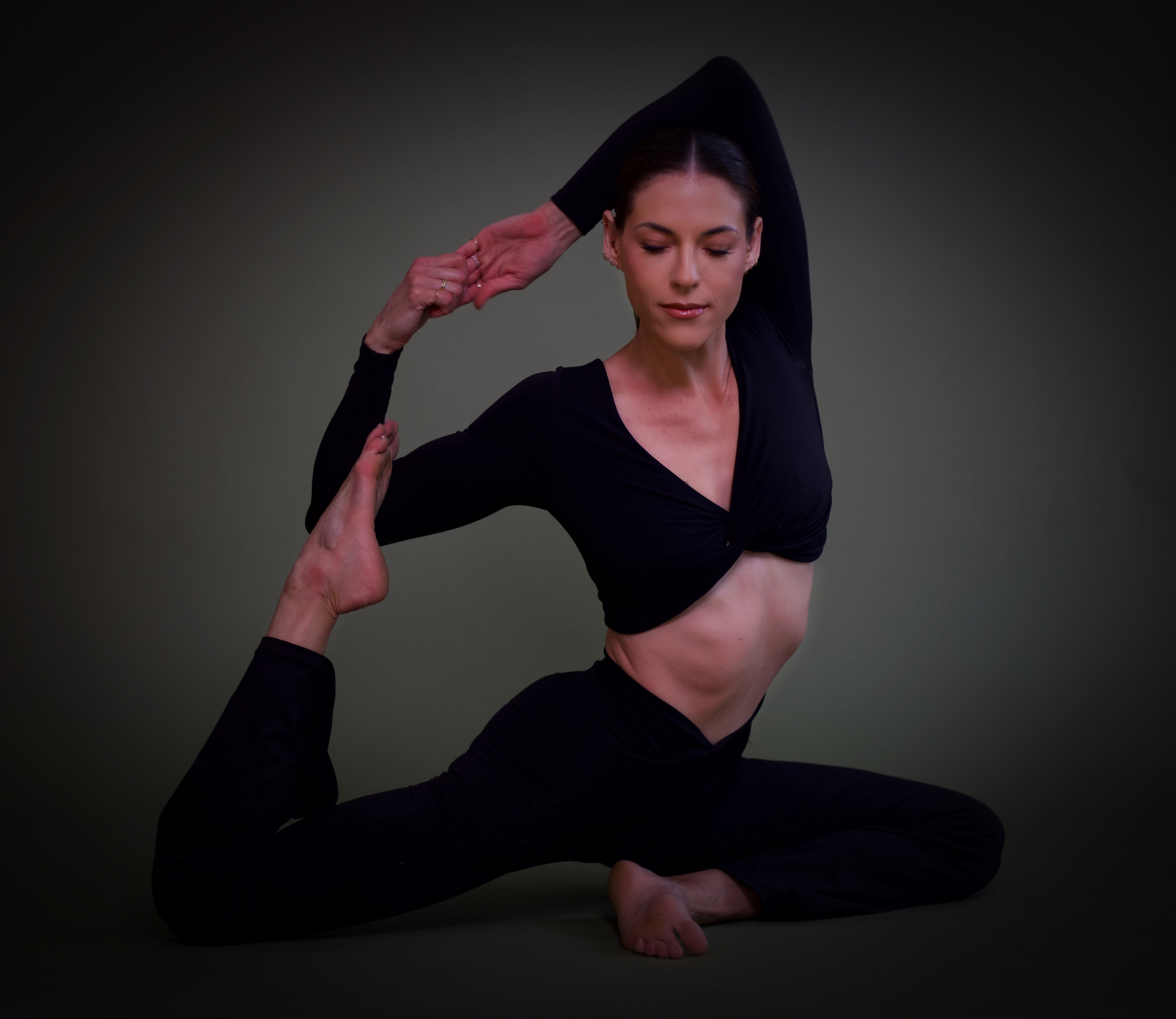
The quintessential hip opener—front leg in external rotation, back leg extended. Intense but transformative.
A deep lunge with both hands inside the front foot. Opens hip flexors while stretching the groin.
Stretches the hip flexors of the back leg—essential for anyone who sits frequently.
Knees wide with inner edges of feet on the floor. Intense inner thigh stretch.
Shins stacked, creating an intense external rotation stretch. Often called Double Pigeon.
On your back, holding the feet, knees wide. A gentle, playful opener.
Knees stacked in a seated position. Adds hip opening to a shoulder stretch.
Benefits of Hip Opening
Regular hip opening practice offers benefits far beyond the hips themselves:
Tight hip flexors pull on the lumbar spine, creating or worsening lower back pain. Releasing the hips often resolves back issues.
When hip flexors release, the pelvis can find neutral alignment, supporting healthy spinal curves.
Walking, running, climbing stairs—all require hip mobility. Open hips move more efficiently.
Tight hips often transfer stress to the knees. Hip mobility helps the whole leg function properly.
Meditation and seated poses become more accessible when the hips can release into them.
Releasing chronic hip tension improves blood and lymphatic flow through the pelvis and legs.
The Emotional Dimension
Hip openers are famous—or infamous—for triggering emotional responses. Practitioners report everything from unexpected tears to waves of anxiety or release. Why?
You don't need to believe in metaphysical explanations to notice that hip openers sometimes bring feelings to the surface. If this happens, let the emotions move through without forcing analysis. Breathe, stay present, and know that release—physical and emotional—is part of the practice.
Practicing Safely
- Warm up first — cold muscles don't stretch well; start with movement before deep holds
- Protect your knees — the knee is a hinge joint; never force it to rotate. If you feel knee strain, modify the pose
- Use props liberally — blocks under knees, bolsters under hips, blankets under sitting bones
- Be patient — hip flexibility develops over months and years, not days
- Balance the directions — don't only stretch external rotation; include all hip movements
- Respect sensation — deep stretching is fine; sharp pain is not. Know the difference
- Hold longer when appropriate — Yin-style holds of 2-5 minutes access deeper fascial layers
Cautions and Contraindications
- SI joint issues: Asymmetrical hip openers (like Pigeon) may aggravate sacroiliac dysfunction
- Hip replacement: Avoid deep external rotation and crossing the midline; work with your physical therapist
- Knee injuries: Many hip openers place stress on the knee; use props and modifications
- Sciatica: Some hip positions can compress the sciatic nerve; modify as needed
- Pregnancy: Hormone relaxin loosens ligaments; avoid overstretching, especially asymmetrical poses
Building a Hip Opening Practice
Whether you have five minutes or an hour, hip opening can fit into your practice:
Consistency matters more than intensity. Five minutes daily will transform your hips more reliably than occasional hour-long sessions. Meet your hips where they are today, work gently, and trust the process. The opening will come.
Find Hip-Opening Classes Near You
Discover studios offering Yin, Restorative, and other hip-focused practices.
Keep Exploring
Explore more terms, styles, and find studios near you.
Find Studios Near You