
Kundalini Yoga is a powerful spiritual practice that combines dynamic movement, breathwork, mantra, and meditation to awaken and elevate the dormant energy at the base of the spine. It is designed to balance the nervous system, clear energetic blocks, and expand consciousness, making it both physically invigorating and deeply transformational.
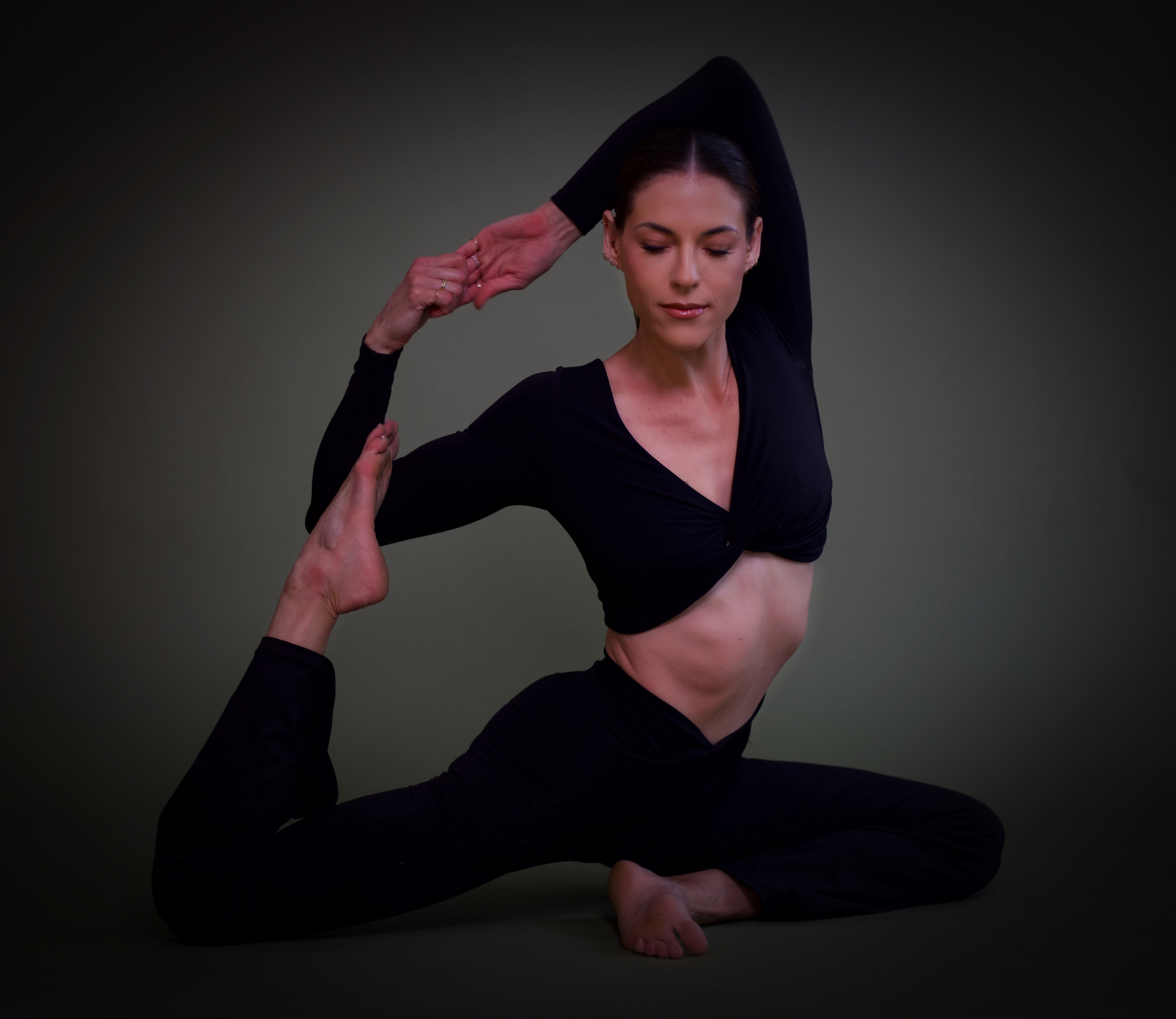
What is Kundalini Yoga?
Kundalini Yoga is a spiritual and energetic practice that awakens dormant energy at the base of the spine, channeling it upward through the chakras to expand consciousness and awareness. Brought to the West by Yogi Bhajan in 1969, this ancient practice combines dynamic breathing techniques (like Breath of Fire), specific posture sequences (kriyas), chanting (mantras), hand positions (mudras), and meditation. Often practiced in white clothing to expand the aura, Kundalini is both physically challenging and deeply meditative, designed to clear energy blockages and elevate your state of being.
Quick Facts
Overview
Kundalini Yoga: The Yoga of Awareness
Kundalini Yoga is known as the “yoga of awareness”—a technology for activating spiritual potential and awakening dormant energy within the body. Rooted in ancient yogic tradition and popularized in the West by Yogi Bhajan in the late 1960s, Kundalini Yoga combines breath, movement, sound, and stillness in highly structured sequences designed to catalyze transformation on every level of being.
Unlike more fitness-oriented styles of yoga, Kundalini is less concerned with alignment or physical prowess and more focused on energy, consciousness, and spiritual evolution. It is a deeply ritualistic and often devotional practice, incorporating mantras (chanting), mudras (hand gestures), kriyas (precise movement sequences), and meditations intended to shift the practitioner’s state of awareness and cleanse the energetic system.
What to Expect in a Kundalini Yoga Class
Dynamic Breathwork (Breath of Fire)
Breath of Fire is rapid, rhythmic breathing through the nose that generates heat and moves energy through the body. It can feel intense, even overwhelming at first. Your lungs might burn, your mind might race, but that's part of the process. You're not just oxygenating—you're activating. If it becomes too much, slow down or take a break. No one will judge you.
Repetitive Movements (Kriyas)
Kundalini kriyas involve specific sequences of postures, breath, and sound performed for a set duration—sometimes 3 minutes, sometimes 11, sometimes 31. The repetition is intentional. It's designed to create a trance-like state where the mind surrenders and energy can move freely. It's not about perfection—it's about endurance and presence through discomfort.
Chanting and Mantra
You'll chant—sometimes in Gurmukhi (the sacred language of Kundalini mantras), sometimes simple sounds like 'Sat Nam' (truth is my identity). You don't need to understand the words to feel their vibration. Chanting isn't about performance—it's about tuning your nervous system to specific frequencies. If it feels awkward, that's normal. Keep going.
Emphasis on Energy and Chakras
Kundalini explicitly works with the subtle body—chakras, nadis, and energetic channels. Teachers will talk about clearing blockages, activating energy centers, and raising consciousness. If this language feels unfamiliar or too esoteric, don't worry. You don't have to believe in it to benefit from the practice. The physiological effects—nervous system regulation, hormonal balance—are real, whether you frame them energetically or not.
Origins of Kundalini Yoga
The term “kundalini” refers to a latent energy believed to reside at the base of the spine, often symbolized as a coiled serpent. In Kundalini Yoga, the goal is to awaken this energy and guide it up through the chakras (energy centers), ultimately connecting the practitioner to higher consciousness.
Though the concept of kundalini energy dates back to ancient Tantric texts, Kundalini Yoga as taught in the West was systematized and disseminated by Yogi Bhajan, who began teaching in the United States in 1969. His mission was to offer householders—not just monks—a practical path for spiritual growth, resilience, and self-mastery.
The style continues to follow his teachings, often passed down through certified instructors trained via the Kundalini Research Institute (KRI).
Style and Structure
Style
Kundalini Yoga is structured, ceremonial, and intensely experiential. Each practice (or “class”) feels like a journey—often emotional, sometimes cathartic, always transformative.
Unlike more physically flowing styles, Kundalini doesn’t emphasize vinyasa-style transitions or creative sequencing. Instead, it focuses on energetic precision—using kriyas (set sequences) that are believed to have specific effects on the body, mind, and energy field.
Structure
A typical Kundalini class may include:
- •Tuning in with the Adi Mantra (“Ong Namo Guru Dev Namo”)
- •Warm-up to prepare the spine and energy body
- •Kriya: A prescribed set of postures, breaths, sounds, and gestures
- •Deep relaxation (usually in Savasana, with music)
- •Meditation: Often includes mantra, mudra, or breath technique
- •Closing with a blessing and the “Sat Nam” mantra
Kriyas are performed as taught, with little variation. This preserves their intended energetic effect, which may target glands, organs, chakras, or states of consciousness.
Breath and Flow
Breath:
Breath is one of the most vital components of Kundalini Yoga. Techniques may include:
- •Breath of Fire: Rapid, rhythmic breath through the nose, energizing and detoxifying
- •Long Deep Breathing: Expanding the belly, ribs, and chest slowly and deeply
- •Segmented Breathing: Inhalations or exhalations broken into equal parts
- •Alternate Nostril Breathing: Balancing left/right channels and nervous system
These pranayama practices activate prana (life force) and prepare the body to safely channel rising kundalini energy.
Flow:
Flow in Kundalini Yoga isn’t about seamless physical transitions—it’s about energetic and rhythmic continuity. Movement is often repetitive and rhythmic, using the body as a vessel to pump energy, shake loose emotional residue, or awaken a meditative trance state.
Examples:
- •Repeating arm pumps for 3 minutes with powerful breath
- •Chanting in a seated posture with rhythmic spine flexion
- •Holding a static posture while breathing or vocalizing
Flow is spiritual and internal—it builds not through poses, but through vibration, intensity, and inner shift.
Pace, Focus and Teacher Role
Pace:
The pace of a Kundalini class is entirely determined by the kriya being practiced. Some are slow, still, and deeply meditative. Others are fast, intense, and physically demanding.
Time-based repetition is common, e.g., holding a posture or breath pattern for 3, 7, or even 11 minutes.
Focus:
Kundalini Yoga focuses on:
- •Awakening and channeling kundalini energy
- •Strengthening the nervous and glandular systems
- •Emotional detoxification and release
- •Heightening intuition and awareness
- •Accessing altered or elevated states of consciousness
- •Balancing the chakras and cultivating inner radiance
Each kriya or meditation has a clear, stated intention—students often leave class feeling radically shifted.
Teacher Role:
The Kundalini teacher is a conduit of tradition and transmission. Their role is less about physical instruction and more about energetic facilitation and spiritual holding.
They:
- •Guide students through kriyas without altering their structure
- •Lead mantra chanting and hold ceremonial space
- •Serve as a vessel for the teachings, often dressing in white and covering the head to maintain energetic integrity
- •Offer dharma talks or brief teachings before or after practice
The teacher’s energy, clarity, and neutrality are key.
Vibe and Community
The vibe in a Kundalini Yoga space is:
- •Mystical and sacred
- •Inclusive but intentional
- •Reverent toward lineage and subtle energy
- •Often ceremonial or devotional
You may find gongs, harmoniums, altar spaces, and mantra music (e.g., Snatam Kaur, Jai-Jagdeesh, White Sun) playing during or after class.
The community often draws seekers, healers, empaths, artists, and those craving transformation beyond the physical level.
Benefits of Kundalini Yoga
Physical Benefits
- •Increased energy and vitality
- •Nervous system resilience
- •Hormonal and glandular balance
- •Improved posture and core strength
- •Detoxification via movement and breath
Mental and Emotional Benefits
- •Reduced stress and anxiety
- •Emotional release and regulation
- •Heightened mental clarity
- •Stronger willpower and discipline
- •Greater access to intuition and insight
Energetic and Spiritual Benefits
- •Activation of kundalini and pranic energy
- •Chakra balancing and aura strengthening
- •Elevated consciousness and spiritual awakening
- •Deepened self-knowledge and awareness
- •Access to altered or visionary states
Who Is Kundalini Yoga For?
Kundalini Yoga is for:
- •Spiritual seekers craving depth and transformation
- •Sensitive individuals needing energetic hygiene and clearing
- •Those ready to confront emotional blocks or life stagnation
- •People feeling disconnected from purpose, passion, or vitality
- •Anyone drawn to mantra, breathwork, and sacred sound
It may not be ideal for:
- •Students seeking purely physical fitness
- •Those uncomfortable with chanting or spiritual themes
- •Anyone with trauma or instability without proper support (some kriyas can be intense)
Kundalini Yoga is a path, not just a workout—and it often draws those ready for lasting inner change.
Conclusion
Kundalini Yoga is a transformative spiritual technology. With its potent blend of breath, mantra, movement, and meditation, it offers practitioners a chance to awaken their deepest energy, cleanse emotional and energetic blockages, and live with greater clarity, power, and purpose.
It is not always easy—but it is always transformative.
For those ready to meet themselves in the fire of their own awakening, Kundalini Yoga is a profound and sacred path.
If you are drawn to Kundalini’s spiritual depth but seek a more meditative approach, Kriya Yoga offers a disciplined path of breath and inner awakening. If you are called to devotion, Bhakti Yoga opens the heart through chanting, community, and love in action. For those who prefer to channel energy through physical discipline, the structure of Ashtanga or the creative flow of Vinyasa can provide grounding balance. And if what you need is softness and release, Yin Yoga invites you into stillness, surrender, and deep energetic opening—serving as a gentle complement to Kundalini’s intensity.
Each of these traditions, in its own way, helps us dissolve layers of resistance and step closer to the luminous truth within.
About Lisa Marie
Lisa Marie is a lifelong student and teacher of yoga, introduced to the practice at age 15. She has dedicated her life to exploring and sharing the power of this ancient, spiritual tradition. As a contributor to YogaNearMe, she helps support the growth of yoga by providing accessible, trustworthy information about yoga styles, studios, and practices.
Related Content
Continue your yoga journey with these related guides
Vinyasa Yoga
Dynamic breath-synchronized flow—movement meditation that complements Kundalini's energetic work with physical practice.
Explore Vinyasa →Yin Yoga
Meditative stillness through long-held poses—deep inner listening that mirrors Kundalini's focus on subtle energy.
Explore Yin →Restorative Yoga
Profound rest and nervous system healing—gentle practice that supports integration after Kundalini's activation work.
Explore Restorative →Find Your Perfect Kundalini Yoga Class
Connect with experienced kundalini yoga teachers and studios in your area.
Search Classes →