
12 BENEFITS
Science-Backed Benefits of Aerial Yoga
From spinal decompression to stress relief, discover how aerial yoga transforms body and mind
From spinal decompression to stress relief, discover how aerial yoga transforms body and mind
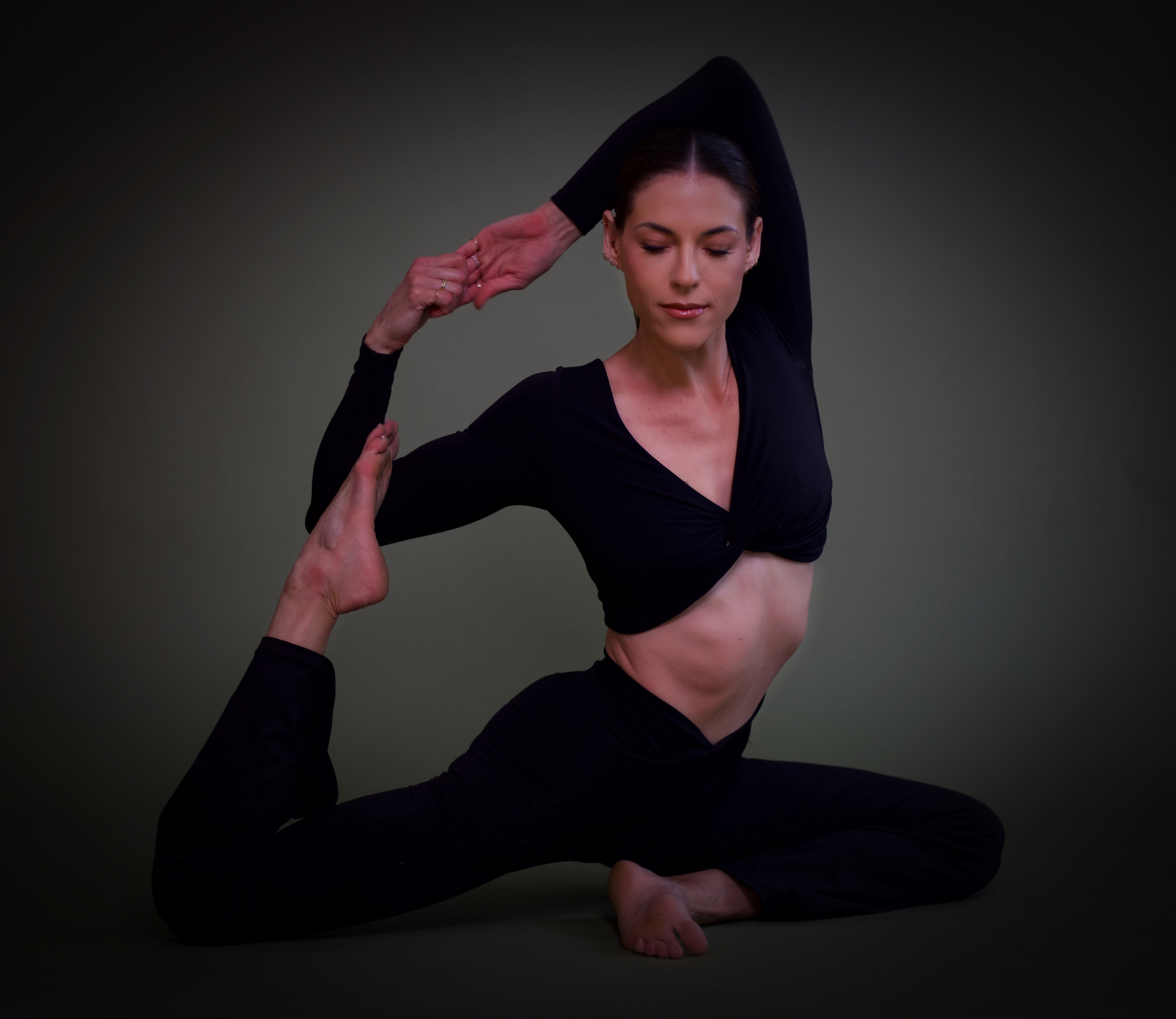
From spinal decompression to stress relief, discover how aerial yoga transforms body and mind
Aerial yoga combines traditional yoga poses with the support of a silk hammock suspended from the ceiling, creating a unique practice that offers benefits beyond conventional mat-based yoga. Whether you're seeking relief from chronic back pain, looking to deepen your flexibility, or simply curious about trying something new, understanding these research-backed benefits will help you appreciate why aerial yoga has become one of the fastest-growing yoga disciplines worldwide.
Inversion poses allow gravity to gently stretch and decompress the spine, reducing pressure on vertebral discs and alleviating chronic back pain naturally.
The hammock supports your body weight while you stretch, allowing you to achieve deeper poses and greater range of motion without straining muscles or joints.
Balancing in the unstable hammock constantly engages your core muscles, building functional strength that translates to better posture and injury prevention.
Gripping, pulling, and holding positions in the hammock develops arm, shoulder, and back strength while maintaining a low-impact approach to fitness.
Training your body to stabilize in three-dimensional space enhances spatial awareness and balance skills that benefit everyday activities.
The gentle swaying motion combined with mindful breathing activates the parasympathetic nervous system, promoting deep relaxation and mental calm.
Inversions reverse blood flow, improving circulation to the brain and upper body while reducing swelling in the legs and feet.
By reducing weight-bearing stress on joints, aerial yoga allows for gentle movement that lubricates joints and maintains healthy range of motion.
Regular practice strengthens the muscles that support proper spinal alignment, counteracting the effects of sitting and screen time.
Inversions and movement stimulate lymphatic drainage, supporting immune function and helping the body eliminate toxins more efficiently.
The playful nature of aerial yoga releases endorphins while the meditative aspects increase serotonin, creating a natural mood boost.
Each session provides a comprehensive workout that builds strength, flexibility, and endurance simultaneously for complete fitness.
Aerial yoga taught me that sometimes letting go and trusting the support around you is the strongest thing you can do.
— Aerial Yoga Instructor, 15 Years Experience
Now that you understand the benefits, dive deeper into our comprehensive Aerial Yoga guide. Learn about what to expect in your first class, essential equipment, and how to find qualified instructors near you.
Find Studios Near YouYes, aerial yoga is generally safe for beginners when practiced under qualified instruction. Most studios offer beginner classes that focus on foundational poses and proper hammock technique. The silk hammock is designed to support significant weight and provides stability while you learn.
Many practitioners report feeling immediate stress relief and spinal decompression after their first class. Flexibility and strength improvements typically become noticeable within 4-6 weeks of regular practice (2-3 times per week).
Those with uncontrolled high blood pressure, glaucoma, recent surgery, pregnancy (in most cases), or inner ear conditions should consult their doctor before trying aerial yoga. People with vertigo or severe motion sickness may also need to approach inversions gradually.
Many people find significant relief from chronic back pain through aerial yoga's spinal decompression effects. The hammock supports your body weight during stretches, allowing the spine to lengthen without compression. However, those with herniated discs or acute injuries should consult a healthcare provider first.

Lifelong yoga student and teacher with expertise in Classical Hatha, Ashtanga Vinyasa, and Iyengar yoga. Dedicated to making authentic yoga wisdom accessible to modern practitioners.