
12 BENEFITS
12 Benefits of Yin Yoga
Less doing. More being. Balance your practice and your life
Less doing. More being. Balance your practice and your life
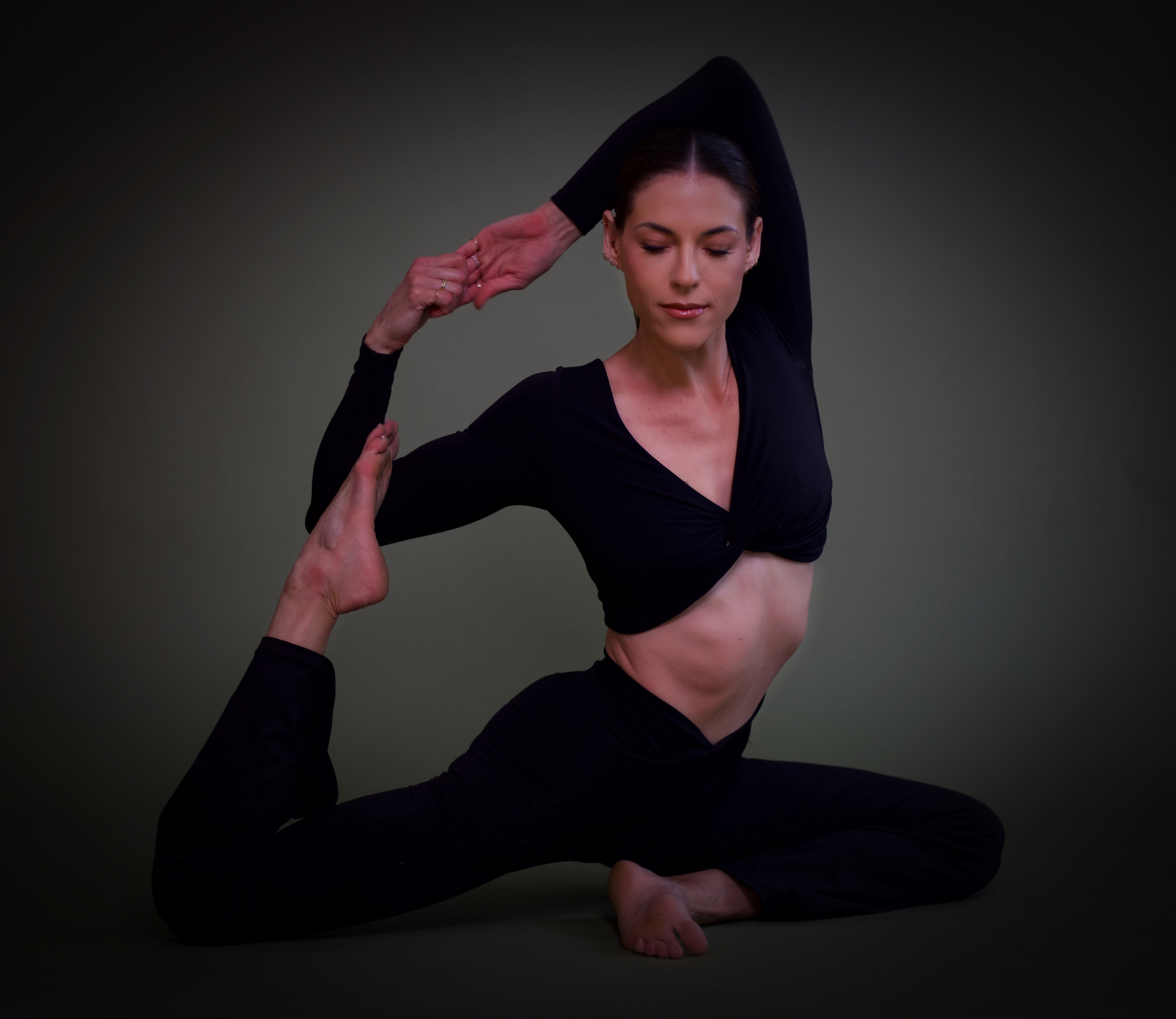
Less doing. More being. Balance your practice and your life.
Yin Yoga is a slow, meditative practice that targets deep connective tissues through long-held poses. Unlike active styles, Yin teaches you to embrace stillness, release tension stored in the body, and find peace in patience. Perfect for balancing busy lifestyles, healing joints, and cultivating mindfulness.
In a world that glorifies speed, Yin Yoga offers the radical practice of slowing down.
This gentle, contemplative style invites you to hold poses for 3–5 minutes (or longer), targeting the deep connective tissues—fascia, ligaments, joints—while cultivating stillness and presence.
Here are 12 science-backed reasons why Yin Yoga creates transformation through the art of doing less.
Through steady, sustained holds, Yin invites circulation into the fascia and joints—enhancing flexibility, mobility, and long-term joint health naturally.
The slow pace allows muscles to soften while deeper tissues gradually lengthen, creating sustainable flexibility without force or risk of injury.
Extended stillness and slow breathing activate the parasympathetic response—quieting stress and guiding the body into deep rest and relaxation.
Each posture becomes an invitation to observe sensations and thoughts without judgment—meditation in its purest form, anchored in stillness.
Gentle, prolonged holds help release energetic blockages and emotional residue held in the body, especially in the hips and heart areas.
Working through the meridian lines (energy pathways), Yin Yoga supports the free flow of chi or prana, restoring balance and vitality throughout.
For those who run, lift, or practice vigorous yoga, Yin provides the essential counterpose—cooling, grounding, and deeply nourishing to body and mind.
Sitting in stillness teaches presence, humility, and the art of allowing—lessons that extend far beyond the mat into everyday life.
By lengthening the body's comfort in stillness, Yin prepares both body and mind for deeper seated meditation and contemplative practices.
Gentle traction and compression nourish cartilage and synovial fluid, maintaining healthy joints and supporting graceful aging as the body matures.
Yin's slow rhythm down-regulates the body's systems, easing anxiety and promoting deep, replenishing rest and improved sleep quality.
More than flexibility of body, Yin teaches flexibility of mind—releasing the need to control and inviting peace in the present moment.
Find experienced Yin Yoga teachers and studios near you. Browse verified classes, read reviews, and book your first session with confidence.
Find Studios Near YouYes! Yin is excellent for beginners. The slower pace allows you to ease into poses without rushing, and props make every posture accessible regardless of flexibility level. It's a gentle introduction to yoga's meditative aspects.
While both are slow, Yin applies gentle stress to connective tissues through longer holds (typically 3-5 minutes), whereas Restorative focuses purely on relaxation with full prop support and no stretch. Yin creates therapeutic tension; Restorative eliminates all tension.
Yes, but gradually and safely. Extended holds allow connective tissues to lengthen naturally over time, creating sustainable flexibility without forcing or straining. Many people notice significant improvements in hip and hamstring flexibility within weeks.
1-2 times per week is ideal for beginners, as the practice allows tissues to fully recover. As you progress, 2-3 times per week maximizes benefits while preventing over-stimulation of the tissues.

Lifelong yoga student and teacher with expertise in Classical Hatha, Ashtanga Vinyasa, and Iyengar yoga. Dedicated to making authentic yoga wisdom accessible to modern practitioners.