Yin Yoga
Yin Yoga is a slow, meditative practice focused on long-held, passive floor poses that target the body's connective tissues—fascia, ligaments, and joints—rather than muscles. By remaining in stillness for extended periods (typically 3–5 minutes), practitioners cultivate flexibility, release deep tension, and access subtle energetic and emotional layers, making Yin both a physical and spiritual practice of surrender and awareness.
What is Yin Yoga?
Yin Yoga is a slow, meditative practice where passive, floor-based poses are held for 3-10 minutes to gently stress deep connective tissues—ligaments, joints, fascia, and bones. Unlike active "yang" styles that work muscles, Yin targets the deeper layers of the body through sustained, gentle pressure. This approach increases flexibility, improves joint mobility, and stimulates energy flow through the meridians (energy channels from Traditional Chinese Medicine). The extended holds create space for introspection, making Yin both a physical practice and a moving meditation.
Quick Facts
Overview
Yin Yoga: Stillness, Surrender, and Subtle Unfolding
Yin Yoga is a deeply nourishing, floor-based practice designed to open the body, calm the mind, and invite emotional and energetic release through stillness. Unlike more active “yang” styles of yoga that strengthen and heat the muscles, Yin targets the connective tissues—fascia, ligaments, tendons, and joints—through sustained, passive holds.
The poses are typically seated or lying down, and held for extended periods (usually 3–5 minutes, but sometimes longer), allowing the body to soften and the mind to slow. This gentle yet profound approach cultivates patience, acceptance, and a deeper connection to the present moment.
Yin Yoga is often paired with Traditional Chinese Medicine (TCM) philosophy, working with meridians (energy channels) and organs through specific postures.
What to Expect in a Yin Yoga Class
Long, Passive Holds (3-5 Minutes)
You'll hold each pose for several minutes—long enough that discomfort will likely arise. This isn't injury pain; it's the sensation of tissue gently stretching. The challenge is staying present with that discomfort rather than immediately adjusting or coming out. The first minute feels manageable, the second can feel endless, and somewhere around the third minute, something shifts. That shift—from resistance to acceptance—is where the practice happens.
Targeting Deep Connective Tissue
Yin doesn't work the muscles—it targets fascia, ligaments, and joints. This means the sensation is different from muscular stretching. It's deeper, duller, sometimes achy. You're not trying to force flexibility; you're allowing connective tissue to slowly lengthen under gentle, sustained pressure. Over time, this improves joint mobility and flexibility in ways active stretching can't reach.
Stillness and Discomfort
You'll be asked to stay still—not fidget, not adjust constantly, not distract yourself. That stillness reveals what you're usually too busy to notice: physical tension, emotional residue, mental restlessness. It's uncomfortable, sometimes boring, occasionally confronting. But learning to be with discomfort without reacting is both the practice and the benefit. Yin teaches you that not everything needs to be fixed or solved—sometimes you just need to breathe and let it be.
Meditative, Introspective Practice
Yin is as much a mental practice as a physical one. The long holds create space for introspection, for noticing patterns of resistance in your body and mind. Teachers often incorporate mindfulness cues, silence, or guided meditation. The room is usually quiet, dimly lit, with minimal instruction once you're in the pose. You're left alone with yourself—which is both the gift and the challenge of Yin.
The Origins and Evolution of Yin Yoga
From Taoist Roots to Modern Practice
Yin Yoga emerged in the late 1970s through Paulie Zink, a martial artist and Taoist yoga teacher. Zink combined Taoist yoga with his extensive martial arts training to create a practice that balanced active (yang) movement with passive (yin) holding. Drawing from ancient Chinese wisdom about complementary energies, he developed a system that honored both dynamic power and receptive stillness.
The practice was later refined and popularized by Paul Grilley and Sarah Powers, who introduced meridian theory and mindfulness elements to create the modern Yin Yoga practiced in studios today. Grilley emphasized skeletal variation and connective tissue health, recognizing that different body structures require different approaches to the same pose.
Powers integrated Buddhist psychology and meditation practices, deepening the contemplative dimension of the practice. Together, their contributions transformed Yin from a niche martial arts complement into a widely accessible style that serves athletes, stressed professionals, and meditation students alike.
The Philosophy of Balance
In Taoist philosophy, yin and yang represent complementary forces in nature and the human body. Yang is active, warm, muscular, and dynamic. Yin is passive, cool, skeletal, and still. Most modern yoga styles—Vinyasa, Power, Ashtanga—are yang-dominant. Yin Yoga deliberately targets the yin tissues and qualities, creating balance in both practice and life.
Style and Structure
Style:
Yin Yoga is defined by three core principles: finding appropriate depth in each pose, resolving to remain still, and holding poses for time. This approach allows the connective tissues to gently lengthen without triggering protective muscle contraction. The method is passive—you relax into gravity rather than actively stretching.
Unlike active practices where you engage muscles to move deeper, Yin asks you to find your edge, then soften. This counterintuitive approach teaches that transformation doesn't always require effort—sometimes it emerges through surrender.
Structure:
A typical Yin class includes 8-12 poses, primarily floor-based and targeting the hips, pelvis, spine, and shoulders. Classes often begin with brief centering, move through seated and reclined poses, and conclude with Savasana. The pace is slow and contemplative, with extended silence allowing for internal observation.
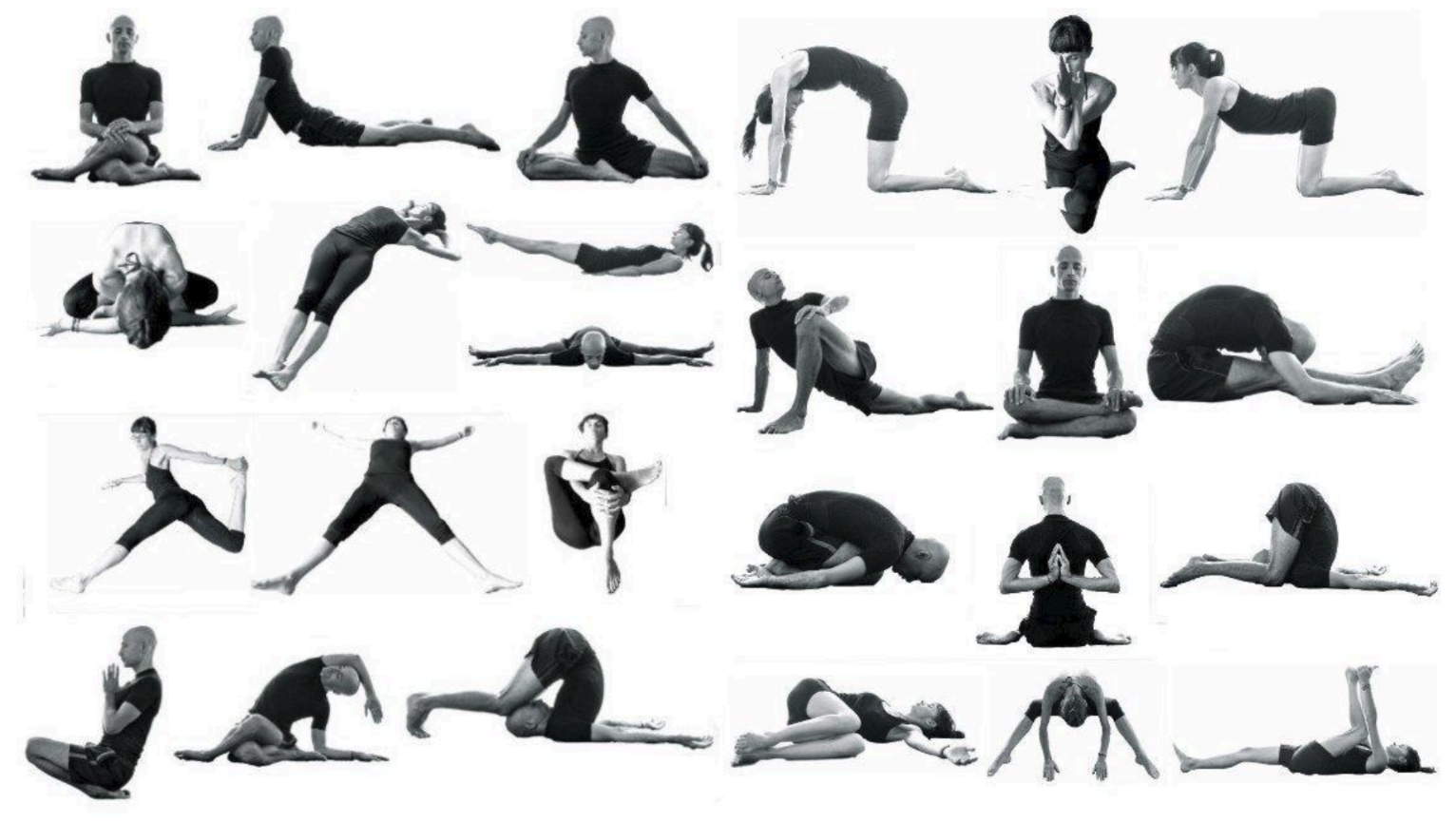
Common Yin poses have unique names that differ from their yang counterparts:
- •Dragon (low lunge)
- •Butterfly (bound angle)
- •Caterpillar (seated forward fold)
- •Sleeping Swan (pigeon)
- •Sphinx (gentle backbend)
- •Saddle (reclining hero)
Props like bolsters, blocks, and blankets support the body, allowing complete muscular relaxation while gravity creates gentle traction on connective tissue.
Breath and Stillness
Breath:
Unlike active practices that emphasize Ujjayi or specific pranayama, Yin encourages natural, relaxed breathing. There's no need to control or manipulate the breath—simply allow it to be.
As you settle into stillness, the breath naturally deepens and slows, supporting the parasympathetic nervous system response. This shift from sympathetic (fight-or-flight) to parasympathetic (rest-and-digest) activation is one of Yin's most therapeutic effects.
Stillness: The Method and the Medicine
Stillness is both the method and the challenge of Yin. The body remains motionless for extended periods, creating space to observe sensations, thoughts, and emotions as they arise. This cultivates equanimity—the ability to remain present with discomfort without reactivity.
- •Stillness reveals habitual patterns of thought and behavior
- •Extended holds create conditions for connective tissue change
- •Silence allows suppressed emotions to surface safely
- •Non-movement teaches patience with what is
- •Stillness becomes a meditation practice in physical form
Pace, Focus and Teacher Role
Pace:
The pace is extremely slow and still. Expect:
- •3–5 minutes in each pose (sometimes up to 10)
- •Gentle, unhurried transitions
- •Extended rests between shapes
- •Time for integration and sensation to unfold
Focus:
Yin Yoga focuses on:
- •Gently stressing and elongating connective tissue
- •Increasing joint mobility and fascial hydration
- •Releasing trapped tension and stagnation
- •Calming the nervous system
- •Developing mindfulness and self-compassion
Teacher Role:
The teacher in a Yin class is a guide, not a coach. They:
- •Demonstrate and explain the purpose of each pose
- •Offer prop suggestions and variations
- •Set timers and create space for silence
- •Gently remind students to stay with what arises, not push beyond it
- •Hold space without forcing or performing
Vibe and Community
The vibe in a Yin class is:
- Quiet, contemplative, and cocoon-like
- Non-performative and deeply inward
- Accessible to all levels and body types
- Ideal for evening practice or nervous system recovery
Many Yin classes are dimly lit, use ambient music or silence, and offer a sacred container for stillness in an overstimulated world.
Benefits of Yin Yoga
Yin Yoga offers benefits across physical, mental, and energetic dimensions of practice.
Nourishes Joints and Connective Tissues
Through steady, sustained holds, Yin invites circulation into the fascia and joints—enhancing flexibility, mobility, and long-term joint health naturally.
Increases Flexibility Safely and Naturally
The slow pace allows muscles to soften while deeper tissues gradually lengthen, creating sustainable flexibility without force or risk of injury.
Calms the Nervous System
Extended stillness and slow breathing activate the parasympathetic response—quieting stress and guiding the body into deep rest and relaxation.
Cultivates Mindfulness and Presence
Each posture becomes an invitation to observe sensations and thoughts without judgment—meditation in its purest form, anchored in stillness.
Releases Stored Tension and Emotion
Gentle, prolonged holds help release energetic blockages and emotional residue held in the body, especially in the hips and heart areas.
Improves Circulation and Energy Flow
Working through the meridian lines (energy pathways), Yin Yoga supports the free flow of chi or prana, restoring balance and vitality throughout.
Yin Yoga vs. Other Yoga Styles
Yin is often misunderstood as "easy yoga." It's not—it's differently difficult. Here's how it compares to styles that share its slower qualities.
| Feature | Yin Yoga | Restorative | Hatha | Vinyasa |
|---|---|---|---|---|
| Pace | Very slow | Ultra-slow | Slow to moderate | Moderate–fast |
| Target | Connective tissue | Nervous system | Muscles & posture | Muscles & cardio |
| Pose Holds | 3–10 minutes | 5–20 minutes | 30s – 2 min | 5–10 breaths |
| Effort Required | Passive, sustained | None (fully supported) | Gentle, active | Continuous |
| Props | Moderate | Extensive | Occasional | Minimal |
| Beginner-Friendly | ●●●●● | ●●●●● | ●●●●● | ●●●○○ |
| Focus | Fascia & joints | Deep rest | Balance | Flow & creativity |
The key distinction: Yin asks you to feel sensation and stay with it. Restorative asks you to feel nothing at all. Both are valuable—often in the same week.
Who Is Yin Yoga For?
Yin is ideal for:
- Anyone needing nervous system support or rest
- Athletes or yang-style practitioners needing balance
- People with chronic tension or fascial tightness
- Those processing grief, trauma, or emotional density
- Students looking for meditative, non-performative yoga
It may not suit:
- Those seeking a high-energy or fast-paced practice
- Individuals with certain injuries or hypermobility (modifications are key)
Yin Yoga is not about achieving—it’s about allowing.
Frequently Asked Questions
Is Yin Yoga good for beginners?
Yes, Yin is very beginner-friendly. The slow pace and prop support make it accessible to all levels. However, the mental challenge of stillness can be difficult for those new to meditation. Start with shorter holds and build tolerance gradually.
What is the difference between Yin and Restorative yoga?
Yin targets connective tissue through moderate stretch sensation, while Restorative eliminates all stretch to activate deep relaxation. In Restorative, props fully support the body so you feel no sensation—the goal is complete rest. In Yin, you feel moderate sensation as tissues gently lengthen.
How often should I practice Yin Yoga?
2-3 times per week is ideal for most practitioners. Yin complements active practice beautifully. Athletes often practice Yin on rest days or after intense training. Listen to your body—connective tissue needs time to adapt between sessions.
Why do Yin poses have different names?
Unique names emphasize the different intention and mechanics of Yin poses. Dragon (instead of low lunge) and Caterpillar (instead of seated forward fold) signal that you're approaching familiar shapes with passive, yin energy rather than active, yang engagement.
Can Yin Yoga help with tight hips?
Yes, Yin is particularly effective for hip opening. Many poses target the hips from multiple angles—Dragon opens the hip flexors, Butterfly addresses the inner hips, and Sleeping Swan releases the outer hips. The extended holds allow deep fascia to release in ways active stretching cannot achieve.
Conclusion
Yin Yoga is a quiet revolution—a practice of softness, surrender, and stillness in a world that often demands speed and striving. Through long-held shapes, mindful breath, and deep presence, Yin invites you to unravel physical tightness, access emotional wisdom, and rest in the still waters of your own being.
It’s not a break from the work — it is the work.
And it is some of the deepest yoga there is.
If you love the introspection of Yin but want even more rest and nurturing, Restorative Yoga offers full support with props for deep healing. If you feel called to balance stillness with gentle movement, Hatha Yoga provides a steady, grounding pace. For those interested in alignment and structure, Iyengar Yoga brings mindful detail into each posture. If intensity and fire appeal, the flowing strength of Vinyasa or the discipline of Ashtanga can provide a dynamic counterpoint. And if spiritual awakening is your focus, Kundalini Yoga uses breath, mantra, and energy practices to stir vitality from within.
Each style complements Yin, reminding us that softness and surrender are not the opposite of strength, but its source.
Sources & Further Reading
- 1.Grilley, Paul. Yin Yoga: Principles and Practice. White Cloud Press, 2002.
- 2.Powers, Sarah. Insight Yoga. Shambhala, 2008.
- 3.Clark, Bernie. The Complete Guide to Yin Yoga. White Cloud Press, 2012.
- 4.NIH NCCIH. “Yoga: What You Need To Know.” nccih.nih.gov
Lisa Marie
E-RYT 500
Lisa Marie is an E-RYT 500 certified yoga teacher with 20+ years of personal practice and 15+ years teaching. She specializes in Vinyasa, Hatha, and restorative practices, with training in the Ashtanga tradition. Lisa Marie is co-founder of Viveka Yoga Studio in Downtown Los Angeles.
Related Content
Continue your yoga journey with these related guides
Restorative Yoga
Complete rest through prop support—Yin's stillness taken to profound parasympathetic healing without active stretch.
Explore Restorative →Hatha Yoga
Balanced foundational practice—gentle movement that complements Yin's passive stretching with active postures.
Explore Hatha →Vinyasa Yoga
Dynamic yang complement—flowing movement that balances Yin's stillness with breath-synchronized active practice.
Explore Vinyasa →Yin Yoga Studios Near You
Top-rated studios offering Yin Yoga classes

Find Your Perfect Yin Yoga Class
Connect with experienced yin yoga teachers and studios in your area.
Search Classes →