Hatha Yoga
HAH-tah YOH-gah — Sanskrit: हठ योग
Balance Through Opposites
Also called: Classical Hatha, Traditional Yoga
The root of all physical yoga practices. Hatha is the deliberate, mindful approach to postures and breath—where effort meets ease, and the body becomes a vehicle for something deeper.
Sun and Moon: The Dual Nature
The name contains philosophy. Ha and Tha represent complementary opposites:
The practice seeks balance between these forces—not choosing one over the other, but integrating both. A pose requires effort (sun) and ease (moon). Breath has an active inhale and a surrendering exhale. The practitioner learns to find the middle path.
What to Expect in a Hatha Class
Slower, deliberate. Poses held for 30 seconds to several minutes.
Alignment, breath awareness, body sensation. Quality over quantity.
Often beginner-friendly. Modifications offered. Time to learn.
Grounding, introspective. Less performance, more exploration.
Central. Often Ujjayi or simple deep breathing throughout.
60-90 minutes typically. Includes warmup, poses, Savasana.
Hatha vs. Other Styles
Vinyasa links poses in continuous flow; Hatha holds poses longer with pauses between. Vinyasa builds heat through movement; Hatha through sustained effort.
Yin holds poses even longer (3-5+ minutes) and targets deep connective tissue. Hatha engages muscles actively; Yin releases them completely.
Restorative uses props for complete support and relaxation. Hatha requires active engagement. Restorative is rest; Hatha is practice.
Ashtanga follows a fixed sequence with specific breath counts. Hatha is more flexible—teachers sequence freely based on class needs.
Benefits of Hatha Practice
- Builds strength through sustained holds
- Improves flexibility gradually and safely
- Develops body awareness and proprioception
- Calms the nervous system
- Teaches foundational alignment
- Accessible for beginners
- Prepares body for meditation
- Balances effort with ease
The Hatha Texts
Classical Hatha was codified in several important texts:
These texts describe practices that might surprise modern yogis—intense purification techniques, bandhas (energetic locks), and mudras alongside the physical poses. The asanas were just one component of a larger system aimed at preparing the body for awakening.
Who Is Hatha For?
- Foundation building — New practitioners learning the poses
- Mindful movement — Anyone wanting to slow down and pay attention
- Balance practice — Vinyasa regulars seeking a slower complement
- Recovery — Athletes wanting mobility without intensity
- Stress reduction — The slower pace calms the nervous system
- All ages and abilities — More accessible than faster styles
The Philosophy Behind the Practice
Hatha yoga was never just about the body. The physical practices were designed to:
You don't have to adopt this framework to practice Hatha. But understanding that the postures came from a larger tradition—that they were tools for transformation, not just exercise—can change how you approach them. Each pose becomes an invitation, not just a shape.
Find Your Hatha Practice
Discover studios offering foundational, mindful yoga near you.
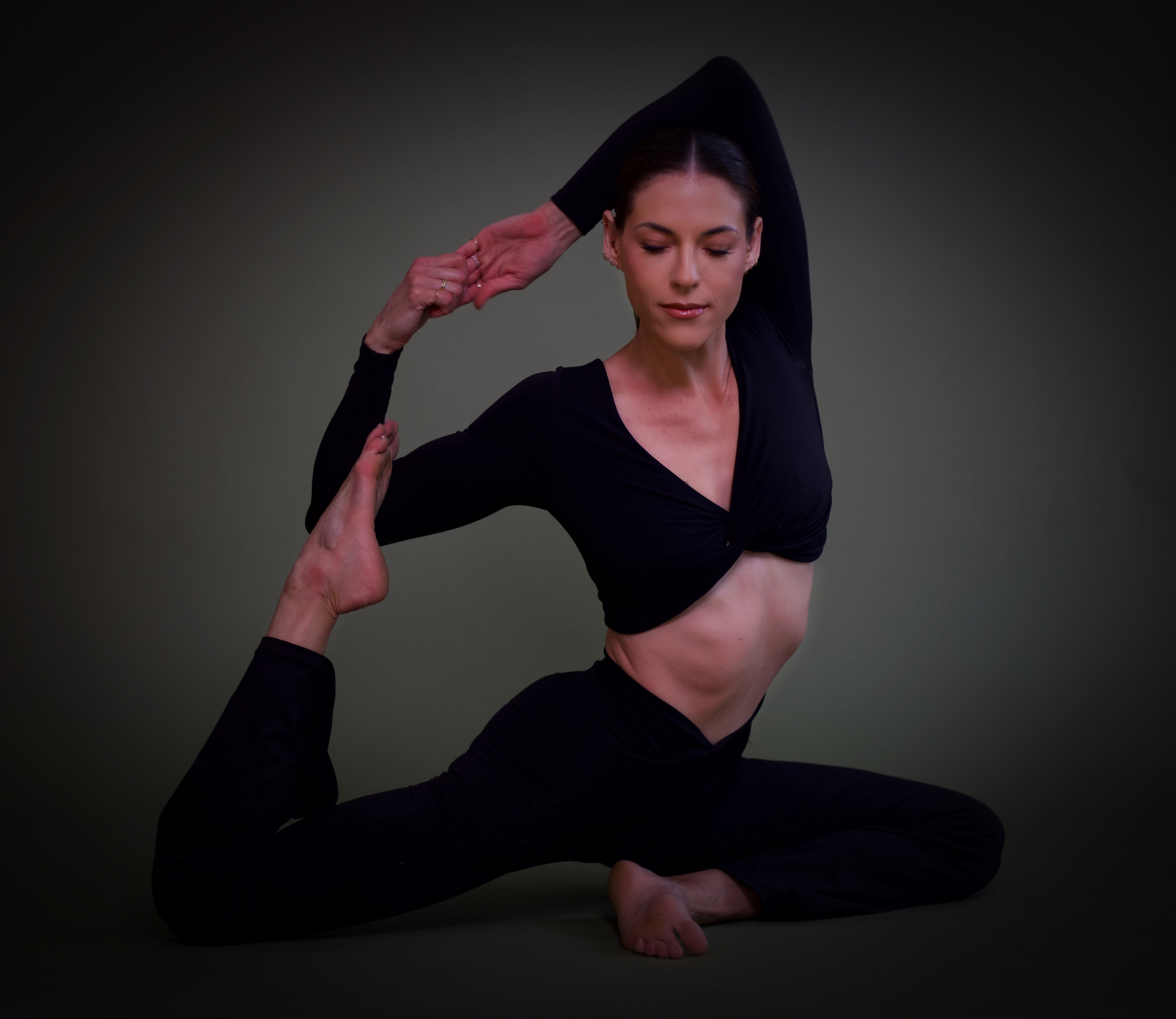
Table of Contents
Table of Contents
Keep Exploring
Explore more terms, styles, and find studios near you.
Find Studios Near You