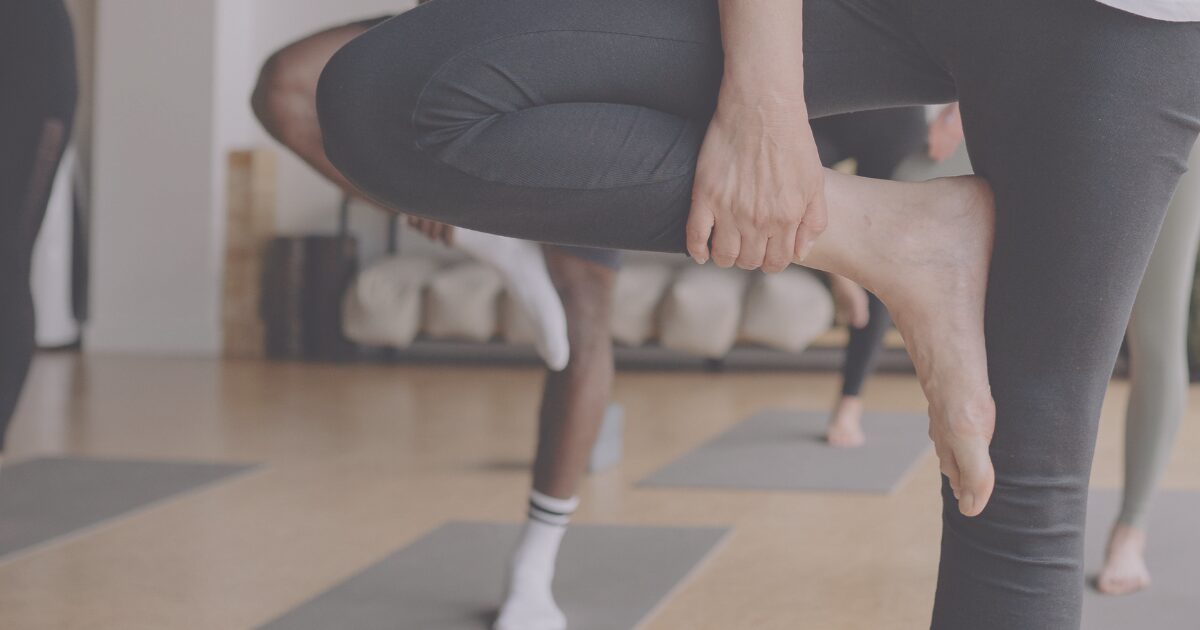
A foundational practice that combines physical postures, breathing techniques, and meditation to create balance between strength and flexibility while promoting overall well-being and stress reduction.
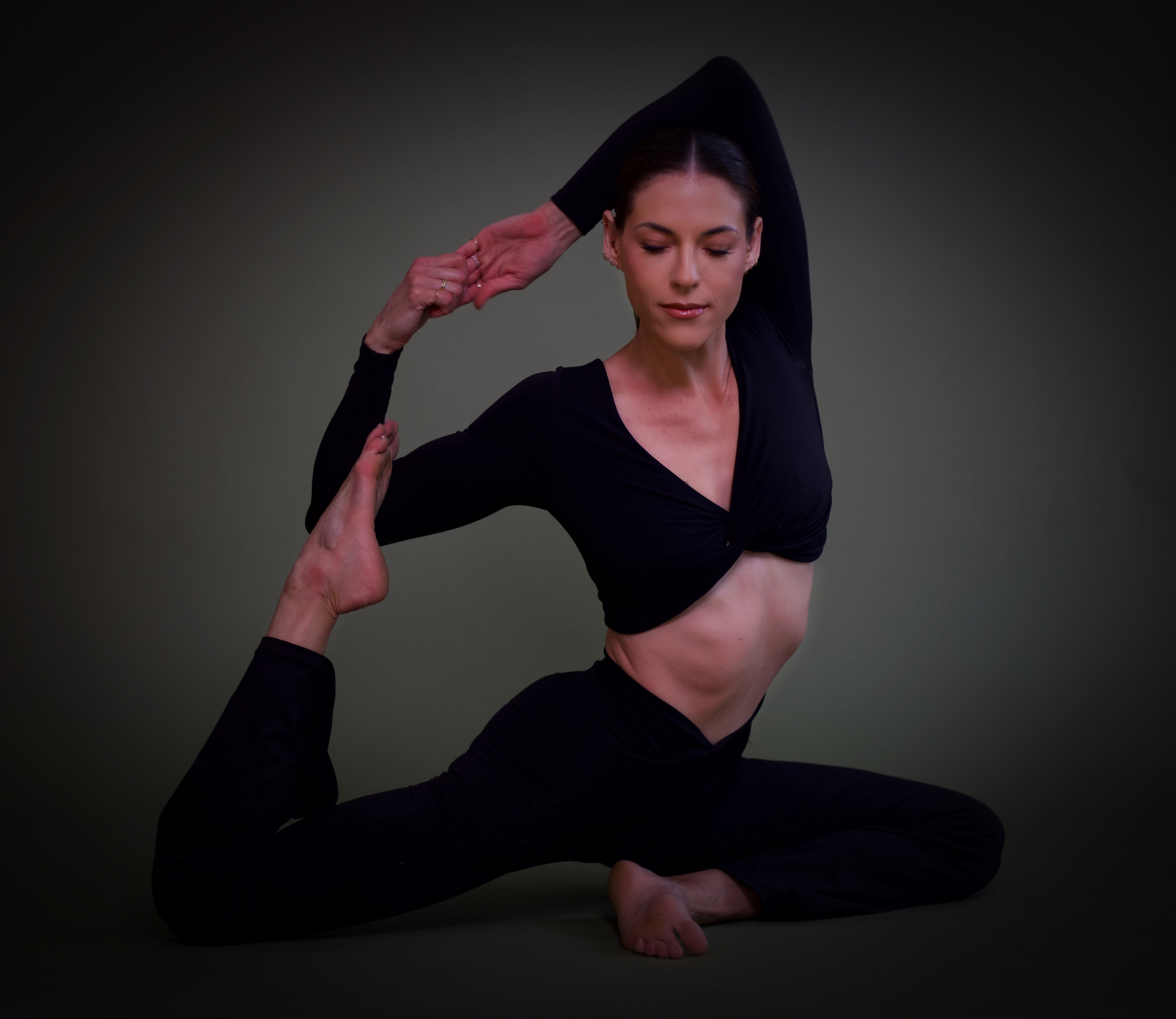
What is Hatha Yoga?
Hatha Yoga is the foundational practice that most modern yoga styles build upon. The term "hatha" translates to "forceful" or "willful," but in practice, Hatha classes tend to be slower-paced and gentle, focusing on basic poses, proper alignment, and breathwork. This traditional approach emphasizes the balance between physical postures (asanas), breathing techniques (pranayama), and meditation, making it an ideal entry point for beginners while offering depth for experienced practitioners seeking to refine their practice.
Quick Facts
Overview
What to Expect in a Hatha Yoga Class
Slow, Deliberate Pace
Hatha classes move at a slower rhythm than vinyasa or power styles. You'll spend time settling into each pose, making adjustments, and exploring the sensations. This isn't about rushing through a sequence—it's about being present.
Focus on Alignment and Form
Teachers emphasize proper alignment to build a safe, sustainable practice. Expect detailed cues about foot placement, spine position, and shoulder engagement. This attention to form prevents injury and deepens your understanding of each pose.
Extended Holds in Poses
Unlike flow-based styles, Hatha holds poses for several breaths—sometimes 5 to 10 cycles. This gives your body time to open, your mind time to settle, and your breath time to guide the experience.
Emphasis on Breathwork
Pranayama (breath control) is central to Hatha. You'll learn techniques like ujjayi breathing, alternate nostril breathing, or simple abdominal breathing. The breath isn't just background—it's the practice.
The Meaning and Origins of Hatha Yoga
The word Hatha is derived from Sanskrit, where “ha” means “sun” and “tha” means “moon.” Together, the term symbolizes the union of opposites—masculine and feminine, active and receptive, strength and surrender. This balance is not just metaphorical; it is at the heart of the physical and energetic practices of Hatha Yoga.
Historically, Hatha Yoga emerged as a system of physical techniques designed to support the deeper practices of meditation and spiritual awakening. Its roots can be traced back to ancient texts like the Hatha Yoga Pradipika (15th century), which outlined a system of postures (asanas), breath control (pranayama), cleansing practices (kriyas), and energy work aimed at preparing the body and mind for higher states of consciousness.
Over time, Hatha Yoga evolved and branched into many styles and approaches. Today, it serves both as a foundational practice for beginners and as a deeply restorative or therapeutic style for more advanced yogis. Most modern yoga classes owe some aspect of their methodology to Hatha Yoga.
Style and Structure
Style:
Hatha Yoga is a broad umbrella term that refers to a physical yoga practice that generally emphasizes slower, more deliberate movements compared to faster, more dynamic styles like Vinyasa or Ashtanga Yoga. While the specific sequencing and emphasis can vary from teacher to teacher, Hatha classes typically include a blend of postures, breathwork, and sometimes meditation. It is a practice rooted in stability and presence, inviting practitioners to explore postures with a focus on alignment, breath awareness, and conscious relaxation.
Structure:
A typical Hatha Yoga class incorporates several key elements:
- •Asanas (Postures): The physical shapes that strengthen, stretch, and align the body
- •Pranayama (Breathwork): Controlled, intentional breathing practices designed to balance the nervous system
- •Meditation: Many Hatha classes include a period of seated or lying-down meditation
- •Relaxation: The practice often concludes with Savasana (corpse pose)
Breath and Flow
Breath:
Breath is an essential pillar of Hatha Yoga. While not as prescriptive as Ashtanga Yoga's Ujjayi breath or synchronized movement with breath in Vinyasa, Hatha Yoga encourages deep, controlled, and mindful breathing throughout the practice. Breath fosters presence, anchoring the mind in the here and now. It promotes relaxation and activation of the parasympathetic nervous system, and it supports energy regulation, helping practitioners cultivate prana (life force) and vitality.
Flow:
Hatha Yoga does not follow a rigid sequence of poses. Unlike styles such as Ashtanga or Hot Yoga, there is no predetermined order. Teachers have the flexibility to design a practice based on the needs of the students and the theme of the class. This lack of a fixed flow allows postures to be held for longer periods—often 3–5 breaths or more—giving students time to explore alignment, sensations, and breath awareness. The practice encourages depth over speed, inviting a meditative quality to each pose.
Pace, Focus and Teacher Role
Pace:
The pace of Hatha Yoga is generally slow to moderate. It is not intended to be a "workout" style of yoga (though it can certainly build strength), but rather a mindful exploration of body and breath. Each posture is approached with deliberate care, allowing students to refine their alignment and cultivate mind-body awareness.
Focus:
The primary focus of Hatha Yoga is the balance between strength and flexibility, with an underlying emphasis on breath and present-moment awareness. Practitioners develop:
- •Physical strength and stability: through holding poses and building muscular endurance
- •Flexibility and mobility: through deep, sustained stretches
- •Mindful presence: through the conscious connection of breath, body, and awareness
- •Emotional and mental clarity: through slowing down and cultivating inner stillness
Teacher Role:
Teachers in Hatha Yoga classes typically adopt an instructional and supportive role. They provide clear alignment cues (similar to Iyengar Yoga), offer hands-on or verbal adjustments, and encourage students to listen to their own bodies. The atmosphere is often gentle and inclusive, making space for both beginners and experienced practitioners alike. Rather than pushing students to achieve a particular aesthetic in a pose, Hatha Yoga teachers emphasize the internal experience—how the pose feels, how the breath flows, and how awareness evolves.
Benefits of Hatha Yoga
Holistic well-being on every level
Increased Flexibility & Mobility
Longer holds gradually increase range of motion throughout the body, reducing stiffness and preventing injury.
Improved Strength & Endurance
Holding poses builds functional strength and muscular endurance without weights or high-impact movements.
Better Posture & Alignment
Detailed alignment cues teach proper body mechanics, correcting habitual misalignments that cause pain.
Stress & Anxiety Reduction
Deep breathing and meditative pacing activate the parasympathetic nervous system, promoting relaxation.
Enhanced Mental Clarity
Focused attention during practice trains the mind to stay present, improving concentration off the mat.
Better Balance & Coordination
Standing balances and one-legged poses improve proprioception and functional stability for daily life.
Who Is Hatha Yoga For?
One of Hatha Yoga's greatest strengths is its adaptability. This foundational practice is particularly well-suited for:
Complete Beginners
Those stepping onto the mat for the first time in a supportive, non-intimidating environment where proper form is taught from day one.
Older Adults & Seniors
Those seeking a gentle practice that supports joint health, balance, and sustained vitality without high impact or intensity.
Athletes & Active People
Those wanting to improve flexibility, reduce injury risk, and cultivate mindfulness as a complement to their training.
Busy Professionals
Those needing stress relief and a physical reset. Hatha offers a grounded, calming practice that restores balance.
Advanced Yogis
Those refining alignment, deepening breathwork, and exploring subtle inner awareness. Hatha offers depth for all levels.
Recovery & Rehabilitation
Those recovering from injury or managing chronic conditions. Hatha's slow pace and emphasis on form support healing.
Frequently Asked Questions
Is Hatha yoga good for beginners?
Yes, Hatha yoga is ideal for beginners. Its slower pace, emphasis on proper alignment, and accessible approach make it perfect for learning foundational poses and breathing techniques without feeling rushed or overwhelmed.
What is the difference between Hatha and Vinyasa yoga?
Hatha yoga moves at a slower pace with longer holds in each pose, focusing on alignment and breathwork. Vinyasa yoga is more dynamic, linking breath with continuous flowing movement. Hatha is generally better for beginners.
How often should I practice Hatha yoga?
For beginners, 2-3 times per week is ideal to build strength and flexibility while allowing recovery. Experienced practitioners may practice 4-6 times weekly, balancing active practice with rest days.
What should I wear to a Hatha yoga class?
Wear comfortable, fitted clothing that allows you to move freely. Avoid overly loose clothing that might get in the way during poses. Since Hatha is gentler, moisture-wicking fabric is less critical than in Power or Hot Yoga.
Do I need to be flexible to do Hatha yoga?
No. Hatha yoga is designed to build flexibility over time. Teachers offer modifications for all levels, and props like blocks and straps help make poses accessible regardless of your starting flexibility.
Conclusion
At its heart, Hatha Yoga is a practice of balance—between strength and flexibility, activity and rest, effort and ease. It invites us to slow down, breathe deeply, and connect with ourselves on every level—physical, mental, emotional, and energetic.
Far from being “just stretching,” Hatha Yoga provides a profound opportunity for self-exploration and inner transformation. It is a living tradition that honors the wisdom of the body, the intelligence of the breath, and the boundless potential of conscious awareness.
Whether you are stepping onto the mat for the first time or returning after years of practice, Hatha Yoga offers an open invitation: to move, to breathe, to be.
Sources & Further Reading
- 1.Svatmarama. The Hatha Yoga Pradipika. Translation by Swami Muktibodhananda. Bihar School of Yoga, 1998.
- 2.Iyengar, B.K.S. Light on Yoga. Schocken Books, 1979.
- 3.Desikachar, T.K.V. The Heart of Yoga. Inner Traditions, 1995.
- 4.Harvard Health Publishing. “Yoga — Benefits Beyond the Mat.” harvard.edu
- 5.NIH NCCIH. “Yoga: What You Need To Know.” nccih.nih.gov
- 6.Yoga Journal. “The History of Hatha Yoga.” yogajournal.com
Lisa Marie
E-RYT 500
Lisa Marie is an E-RYT 500 certified yoga teacher with 20+ years of personal practice and 15+ years teaching. She specializes in Hatha, Vinyasa, and restorative practices, with deep roots in traditional alignment-based teaching. Lisa Marie believes that every body—regardless of age, ability, or experience—deserves a practice that honors where they are right now.
Related Content
Continue your yoga journey with these related guides
Vinyasa Yoga
Dynamic flow building on Hatha's foundation—movement synchronized with breath in creative sequences.
Explore Vinyasa →Iyengar Yoga
Precise alignment-focused practice using props—Hatha's attention to form refined to therapeutic detail.
Explore Iyengar →Restorative Yoga
Deep rest through prop-supported poses—Hatha's gentleness taken to profound therapeutic stillness.
Explore Restorative →Find Your Perfect Hatha Yoga Class
Connect with experienced hatha yoga teachers and studios in your area.
Search Classes →