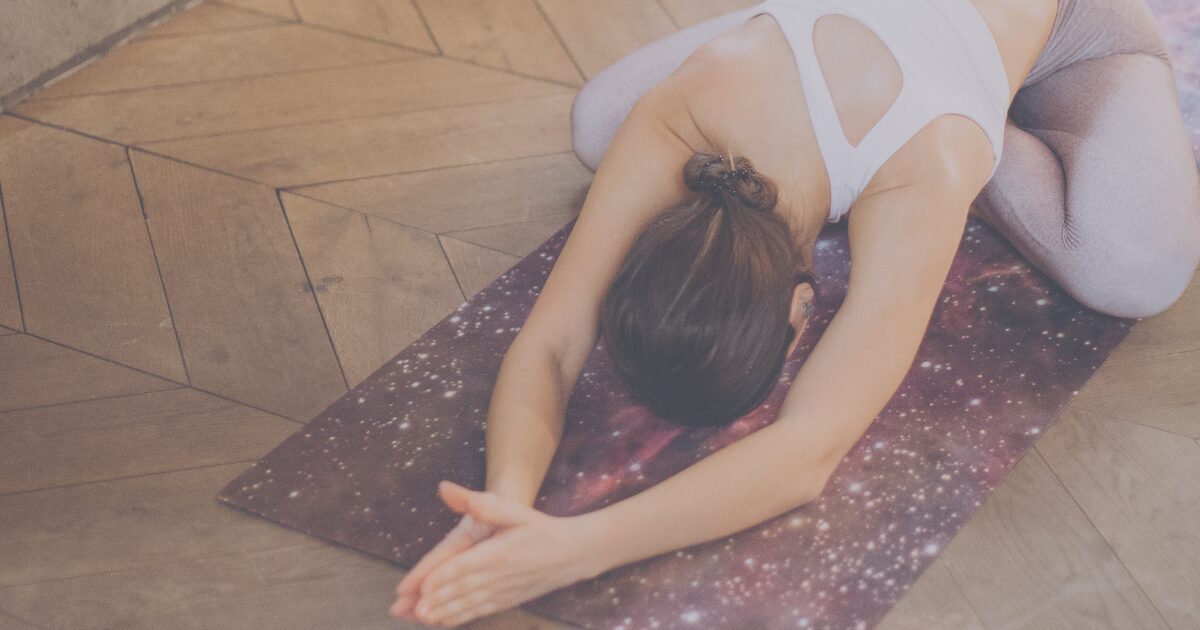
Restorative Yoga
Restorative Yoga is a gentle, therapeutic practice that uses props to fully support the body in passive poses held for extended periods, allowing for complete relaxation, nervous system regulation, and deep rest that promotes healing, stress reduction, and restoration of physical and mental energy.
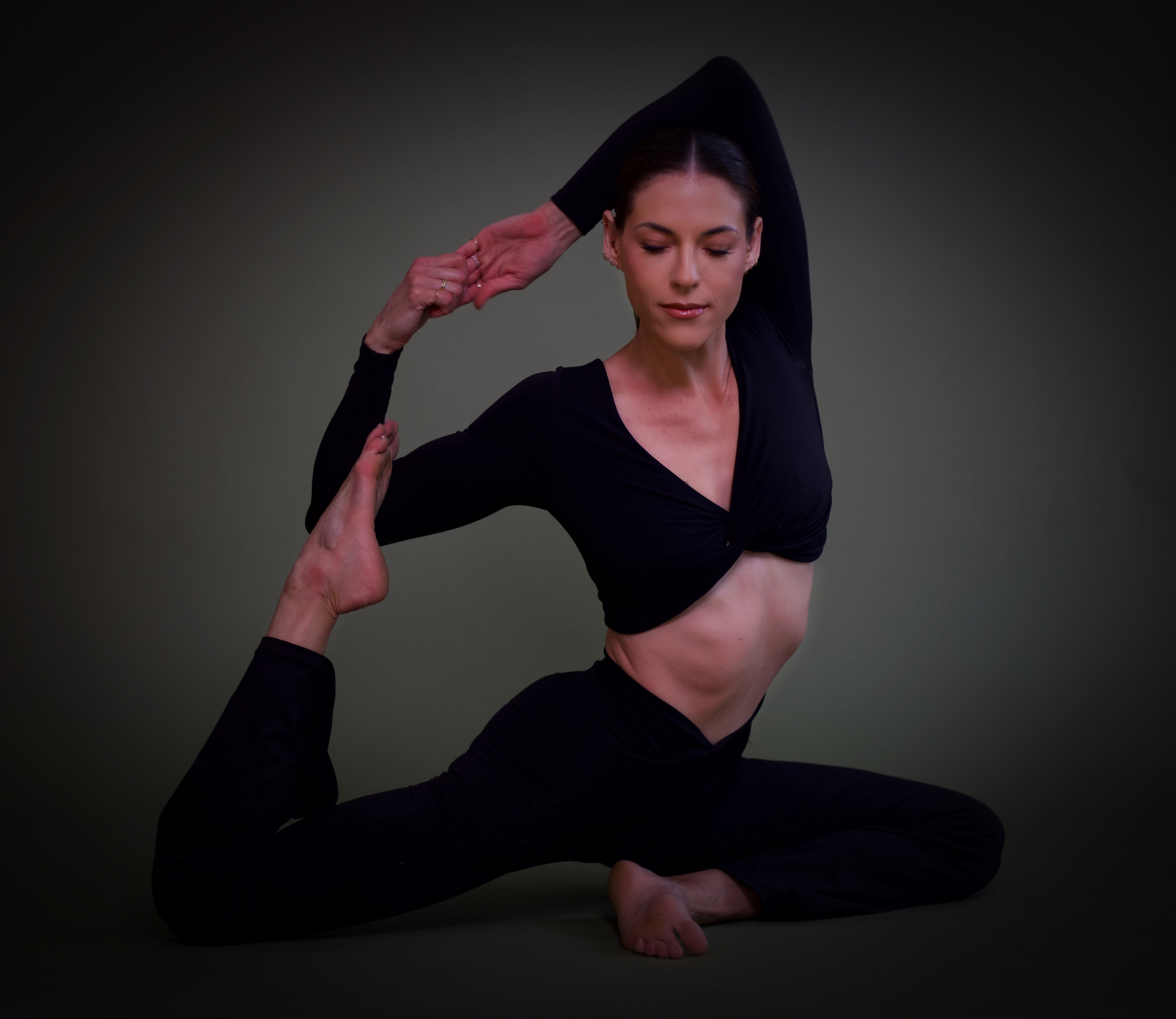
What is Restorative Yoga?
Restorative Yoga is the art of deep rest and nervous system healing. In this extremely gentle practice, you hold just 4-6 fully supported postures for 5-20 minutes each, propped up by bolsters, blankets, blocks, and straps. Unlike active yoga styles, there's no muscular effort—the props do the work while you surrender completely into stillness. This passive approach activates the parasympathetic nervous system, allowing the body to shift from "fight or flight" into "rest and digest," making it profoundly healing for chronic stress, burnout, anxiety, and recovery from illness or injury.
Quick Facts
Overview
Restorative Yoga: The Art of Deep Rest and Nervous System Healing
Restorative Yoga is a sacred pause — a practice of conscious rest that invites the body and mind into a state of deep, supported stillness. Using props such as bolsters, blankets, blocks, straps, and eye pillows, the body is carefully positioned and held in passive postures for extended periods of time — often 10–20 minutes each.
Unlike Yin Yoga, which targets the fascia and connective tissues through stretch and tension, Restorative Yoga uses no muscular effort at all. Every aspect of the body is supported, allowing the practitioner to completely let go. In this space of stillness, the parasympathetic nervous system (rest-and-digest mode) is activated, and the body’s natural capacity for healing is amplified.
It is not uncommon for practitioners to feel emotions arise, drift into sleep-like states, or experience profound clarity and peace. Restorative Yoga is both radically gentle and deeply transformative.
What to Expect in a Restorative Yoga Class
Deeply Supported, Passive Poses
Every part of your body will rest on something—bolsters, blankets, blocks, the floor. You won't be stretching or engaging muscles. The props do all the work, allowing you to surrender completely. The teacher will spend time arranging your setup, adjusting props until you're fully comfortable. Once you're settled, you simply let go.
Long Holds (5-20 Minutes)
You'll stay in each pose for what might feel like an eternity at first. This isn't about endurance—it's about allowing your nervous system to shift from fight-or-flight into rest-and-digest mode. That shift doesn't happen in 30 seconds. It takes time. The longer you hold, the deeper the relaxation becomes. If you fall asleep, that's completely fine.
Complete Relaxation, No Effort
There is no muscular engagement, no alignment cues, no 'trying.' If you feel any effort, you're working too hard. Tell the teacher—they'll adjust your props. The goal is to do absolutely nothing. For people used to achievement-oriented yoga, this can feel uncomfortable, even boring. But that discomfort is part of the process. Learning to rest is harder than you think.
Nervous System Reset
Restorative Yoga directly activates the parasympathetic nervous system, counteracting chronic stress and anxiety. You might feel waves of emotion, sudden exhaustion, or a sense of deep calm. All of this is your nervous system recalibrating. The practice creates space for healing to happen—physical, emotional, and mental. You're not just resting—you're resetting.
Origins of Restorative Yoga
Restorative Yoga has its roots in Iyengar Yoga, where teacher B.K.S. Iyengar developed the use of props to support healing and precision. The practice was further refined and popularized by Judith Hanson Lasater, who emphasized the importance of rest, surrender, and the body’s ability to heal when fully supported.
Restorative Yoga emerged in response to the high demands of modern life, offering a counterbalance to overstimulation, stress, and depletion. Today, it is widely practiced in therapeutic settings, trauma-informed spaces, and yoga studios around the world.
Style and Structure
Style
Restorative Yoga is quiet, non-effortful, and deeply internal. Poses are held in complete stillness, with no stretching or activation. Every part of the body is fully supported so that muscles can relax, breath can deepen, and the mind can quiet.
It is the yin of yin, and a practice of radical non-doing.
Structure
A typical Restorative class includes:
- Opening grounding practice (often breath, intention, or a short meditation)
- 4–6 postures, each supported with bolsters, blankets, and props
- Gentle breath awareness or guided relaxation
- Long savasana or yoga nidra-inspired closing
Common poses include:
- Supported Child’s Pose
- Reclining Bound Angle (Supta Baddha Konasana)
- Legs Up the Wall (Viparita Karani)
- Supported Twist
- Reclined Heart Opener
Benefits of Restorative Yoga
Restorative Yoga offers benefits across physical, mental, and energetic dimensions of practice.
Calms the Nervous System
Restorative Yoga activates the parasympathetic nervous system, shifting the body from fight-or-flight mode into rest-and-digest. This physiological shift reduces cortisol levels, lowers heart rate, and triggers deep relaxation that counteracts chronic stress and nervous system dysregulation.
Promotes Physical Healing
By deeply relaxing muscles and fully supporting the body, Restorative Yoga allows the body to allocate energy toward tissue repair, immune function, and recovery from injury or illness. It creates the conditions for healing that active movement cannot provide.
Releases Chronic Stress and Fatigue
Long-held restorative poses allow the body to unwind layers of chronic tension accumulated from daily stress, overwork, and emotional strain. This practice is particularly healing for burnout, adrenal fatigue, and exhaustion that no amount of sleep seems to fix.
Encourages Deep Rest and Recovery
Restorative Yoga is intentional rest—not passive lounging, but active healing through complete surrender. It trains the body to shift into restorative states on demand, improving sleep quality, energy levels, and overall resilience to stress.
Balances the Endocrine and Immune Systems
Deep relaxation regulates hormones, including cortisol, adrenaline, and melatonin, supporting balanced energy, mood, and sleep. Regular restorative practice has been shown to enhance immune function, reduce inflammation, and improve hormonal health.
Reduces Anxiety and Emotional Overload
Restorative Yoga provides a safe, supported container for processing emotions without overwhelm. The practice allows suppressed feelings to surface gently, creating space for grief, sadness, or joy to move through the body in a regulated, therapeutic way.
Restorative Yoga vs. Other Yoga Styles
Restorative Yoga is the most therapeutic style on this list. Understanding where it differs from similar practices helps you choose when each is appropriate.
| Feature | Restorative | Yin Yoga | Hatha | Kundalini |
|---|---|---|---|---|
| Pace | Ultra-slow | Very slow | Slow to moderate | Varies by kriya |
| Muscular Effort | None | Passive hold | Gentle, active | Varies |
| Pose Holds | 5–20 minutes | 3–10 minutes | 30s – 2 min | 3–11 minutes |
| Props | Extensive (bolsters, blankets) | Moderate | Occasional | None |
| Nervous System | Parasympathetic activation | Connective tissue focus | Balanced | Glandular/energetic |
| Beginner-Friendly | ●●●●● | ●●●●● | ●●●●● | ●●●●○ |
| Focus | Deep rest & healing | Fascia release | Balance & foundation | Energy & awareness |
Restorative and Yin are complementary, not interchangeable. Yin creates sensation; Restorative eliminates it. Both are medicine—for different ailments.
Important Considerations
While Restorative Yoga is gentle, some practitioners experience emotional releases during practice—tears, laughter, or waves of feeling. This is normal and therapeutic. The deep rest creates space for suppressed emotions to surface safely.
Choose trauma-informed instructors if you have a history of trauma. The vulnerability of complete rest can be triggering without proper support and pacing.
Some people find complete stillness more challenging than active practice. If difficulty with stillness arises, start with shorter holds (5-10 minutes) and gradually build tolerance.
Who Is Restorative Yoga For?
Ideal for:
- Those recovering from injury, illness, or burnout
- Anyone navigating grief, stress, or emotional fatigue
- Individuals with anxiety, insomnia, or trauma history
- Students craving deep rest and inward connection
- Yoga teachers and healers needing replenishment
Less suited for:
- Those seeking active, physically intense movement (though it is the perfect balance to that)
- Individuals who struggle with stillness — though that may signal it’s exactly what’s needed, lovingly introduced
How to Set Up at Home
Create a Quiet, Warm Space
Choose a quiet room where you won't be disturbed. Warm the space to 70-75°F—body temperature drops during deep rest. Dim lighting or use an eye pillow. Consider gentle background music or complete silence.
Gather Your Props
You'll need: 1-2 bolsters (or firm couch cushions), 2-4 blankets for layering and support, 2-3 blocks, 1 strap, 1 eye pillow or washcloth, and optional: sandbag for grounding, essential oils for scent anchoring. Don't have formal props? Use pillows, folded towels, and household items creatively.
Set a Gentle Timer
Use a soft-sounding alarm or meditation bell. Start with 10-15 minutes per pose if you're new to stillness. Gradually extend to 20 minutes as tolerance builds. Most practitioners find 5-6 poses over 60-90 minutes ideal for home practice.
Support Every Body Part
The key to Restorative is complete support. Every part of the body should rest on something—no floating limbs, no muscular holding. If you feel any strain or effort, add more props. You can never use too many blankets in Restorative.
Surrender Completely
Once settled, let go. Release the need to "do" anything—no controlled breathing, no mental focus techniques, no achieving anything. Simply rest. If the mind wanders, gently notice without judgment. The practice is radical permission to do absolutely nothing.
Frequently Asked Questions
What is the difference between Restorative and Yin yoga?
Restorative eliminates all stretch to activate pure rest, while Yin targets connective tissue through moderate sensation. In Restorative, props fully support the body so you feel nothing—the goal is parasympathetic nervous system activation. In Yin, you feel moderate stretch as tissues gently lengthen. Both are slow and meditative, but Restorative is the more therapeutic practice for stress, trauma, and illness.
How many poses are in a Restorative class?
A typical Restorative class includes just 4-6 poses over 60-90 minutes. Each pose is held 5-20 minutes to allow the nervous system to fully shift into parasympathetic mode. Quality over quantity is the guiding principle.
Is it normal to fall asleep in Restorative yoga?
Yes, falling asleep is common, especially if you're sleep-deprived or deeply exhausted. While the practice aims for conscious rest rather than sleep, your body takes what it needs. If you consistently fall asleep, it may indicate sleep debt that Restorative is helping address.
What props do I need for Restorative yoga?
Ideally: 1-2 bolsters, 3-4 blankets, 2-3 blocks, a strap, and an eye pillow. However, you can practice with household items—firm couch cushions for bolsters, folded towels for blankets, books for blocks. The key is having enough support to eliminate all muscular effort.
Is Restorative yoga good for anxiety?
Restorative is one of the most effective practices for anxiety. The parasympathetic activation directly counters the sympathetic nervous system arousal that underlies anxiety. Regular practice helps retrain the nervous system to return to baseline calm more easily. Many practitioners report Restorative as more effective for anxiety than active yoga or even seated meditation.
Conclusion
Restorative Yoga is a sanctuary of stillness, a sacred invitation to rest, restore, and reconnect. In a world that rarely allows pause, this practice becomes revolutionary — a radical act of trust, surrender, and healing.
It asks nothing of you but your willingness to be held — by props, by breath, by presence. And in return, it offers you everything.
This is rest as medicine.
And every exhale becomes a homecoming.
If you are drawn to Restorative Yoga’s healing stillness but wish to invite deeper release, Yin Yoga offers longer holds that open connective tissues and energetic pathways. If you feel ready to transition from rest into gentle strength, Hatha Yoga provides a balanced and accessible way to reawaken movement. For those seeking alignment and structure, Iyengar Yoga uses props with precision to support both therapy and exploration. If spiritual awakening calls, Kundalini Yoga combines breath, mantra, and movement to stir energy and expand awareness. And if fire feels like the medicine you need, Hot Yoga or Power Yoga provide dynamic, sweat-filled counterpoints to Restorative’s softness.
Each of these practices balances the whole — reminding us that healing comes not only from effort, but from rest.
Sources & Further Reading
- 1.Lasater, Judith Hanson. Relax and Renew. Rodmell Press, 2011.
- 2.Iyengar, B.K.S. Light on Yoga. Schocken Books, 1979.
- 3.Harvard Health Publishing. “Yoga — Benefits Beyond the Mat.” harvard.edu
- 4.NIH NCCIH. “Yoga: What You Need To Know.” nccih.nih.gov
Lisa Marie
E-RYT 500
Lisa Marie is an E-RYT 500 certified yoga teacher with 20+ years of personal practice and 15+ years teaching. She specializes in Vinyasa, Hatha, and restorative practices, with training in the Ashtanga tradition. Lisa Marie is co-founder of Viveka Yoga Studio in Downtown Los Angeles.
Related Content
Continue your yoga journey with these related guides
Yin Yoga
Deep tissue release through long-held poses—similar stillness philosophy with active stretch targeting fascia.
Explore Yin →Hatha Yoga
Gentle foundational practice—accessible entry to yoga's physical postures with sustainable, mindful pacing.
Explore Hatha →Iyengar Yoga
Precision alignment using props—therapeutic approach sharing Restorative's prop philosophy with active alignment work.
Explore Iyengar →Find Your Perfect Restorative Yoga Class
Connect with experienced restorative yoga teachers and studios in your area.
Search Classes →