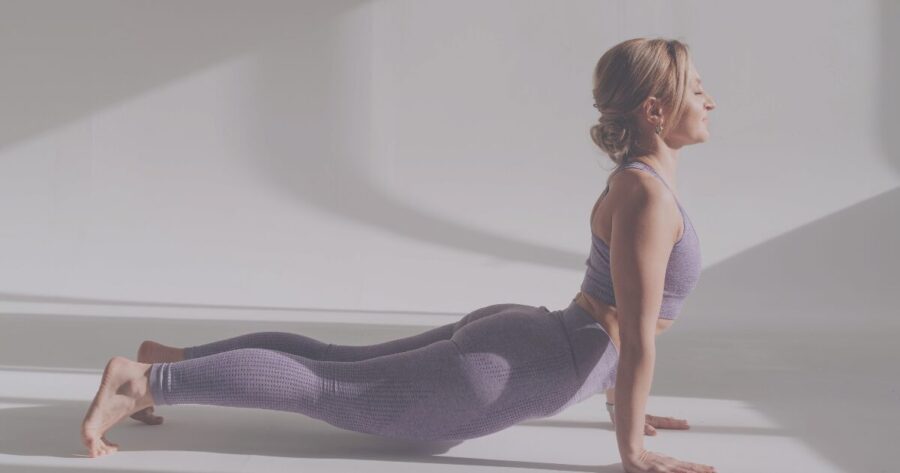
Vinyasa yoga is a dynamic and flowing practice that synchronizes breath with movement, creating a continuous sequence of postures that builds strength, increases flexibility, and cultivates mindfulness through creative transitions and varied sequences.
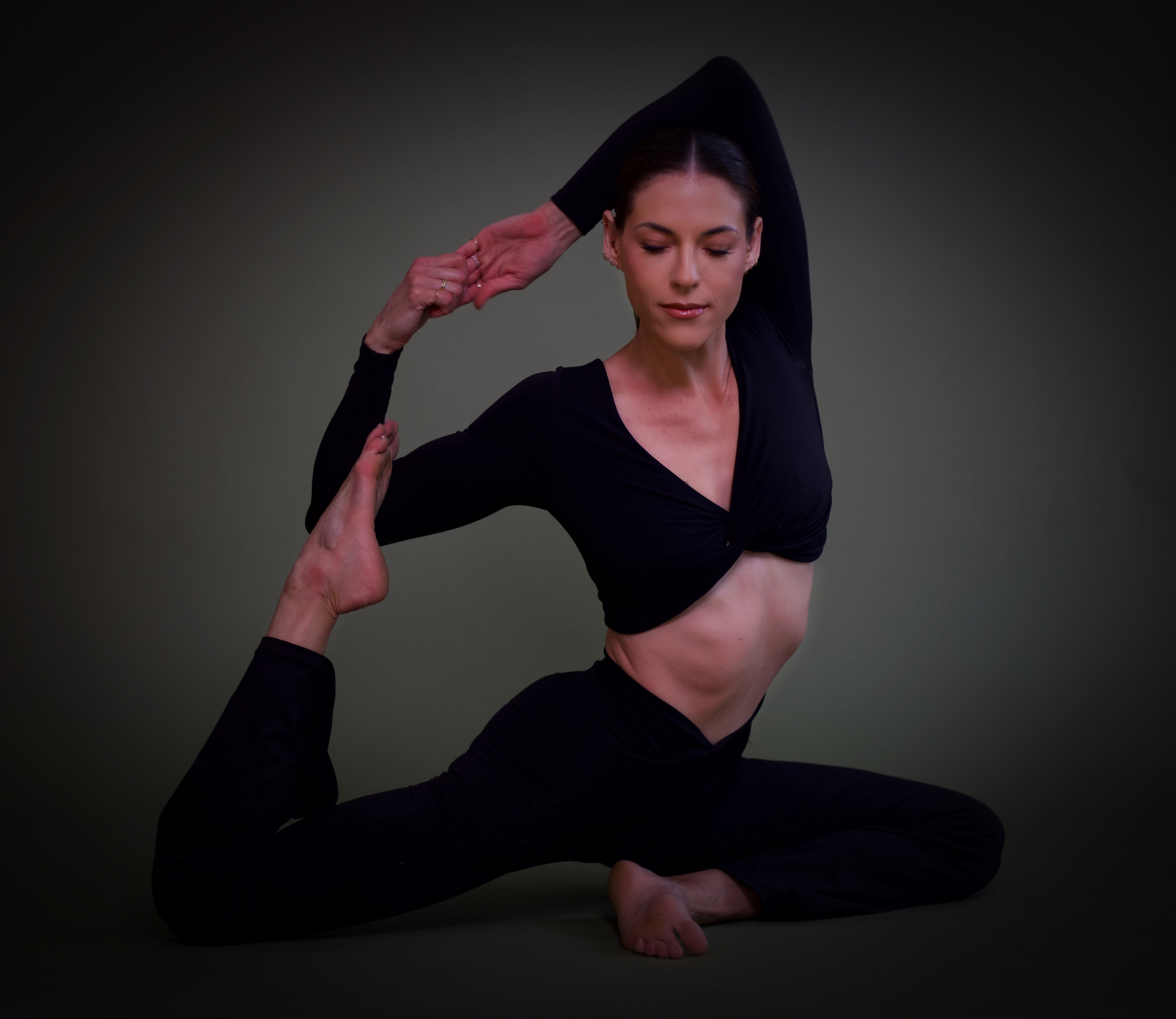
What is Vinyasa Yoga?
Vinyasa Yoga is a dynamic, flow-based practice built on the principle of linking breath with movement. Each transition is intentional—inhale to expand, exhale to fold or twist. Unlike styles with fixed sequences, Vinyasa gives teachers creative freedom to design classes that respond to the students in the room. The pace ranges from slow and meditative to athletic and sweat-producing, depending on the teacher and the class level.
Quick Facts
Overview
What to Expect in a Vinyasa Yoga Class
Continuous Movement
Poses flow together seamlessly—transitions are as important as the postures themselves. You won't hold poses for minutes at a time. The movement keeps going, and learning to stay present through that momentum is part of the practice.
Breath-Led Pace
Ujjayi breath sets the rhythm—inhale to expand, exhale to fold. The breath guides every movement. If you lose the breath, you've lost the practice. Good teachers will remind you of this constantly, and that's not a bad thing.
Creative Sequences
Every class is different. Teachers design unique flows based on a theme, a peak pose, or the energy in the room. You'll never do the same sequence twice. That unpredictability is what keeps long-term practitioners engaged.
Variable Intensity
From gentle Slow Flow to sweaty Power Vinyasa—find your level and build from there. A beginner-level class at one studio might feel completely different from the same label at another. Try a few before deciding where you fit.
The Origins and Evolution of Vinyasa Yoga
From Ashtanga to Modern Flow
The origins of modern Vinyasa Yoga can be traced back to Ashtanga Vinyasa Yoga, developed by Sri K. Pattabhi Jois in Mysore, India. In the Ashtanga system, "Vinyasa" refers to the continuous linking of breath and movement through a prescribed series of postures.
As yoga spread globally in the late 20th century, many teachers began to adopt this breath-synchronized flow while introducing more creative sequencing and adaptability into their classes. The result was what we now call Vinyasa Yoga—an approach that honors the breath-movement connection of Ashtanga but allows for infinite possibilities in how a class is designed.
Because Vinyasa is not codified into a strict lineage, it offers teachers the freedom to innovate and personalize their classes, making it one of the most diverse and creative forms of yoga taught today. This adaptability is both its greatest strength and what makes it so accessible to practitioners of all levels.
The Breath-Movement Connection
What distinguishes Vinyasa from other yoga styles is its unwavering commitment to linking breath with movement. Every transition, every pose, every moment in the practice is guided by the rhythm of the breath. This creates a moving meditation experience, where the mind stays present and engaged throughout the entire class.
Style and Structure
Style: Dynamic and Flowing
Vinyasa Yoga is dynamic, flow-based, and centered on the principle of linking breath with movement. The style invites students to experience yoga as a moving meditation, where transitions between poses become just as important as the poses themselves. Rather than holding postures statically for long periods (as in Hatha or Iyengar Yoga), Vinyasa emphasizes continuous movement, cultivating fluidity, grace, and inner rhythm.
Structure: Creative Freedom
There is no set sequence in Vinyasa Yoga. Each class is creatively designed by the teacher, offering a wide range of sequences that may vary from day to day. A typical Vinyasa class may include:
- •Opening centering or meditation
- •Warm-up flows (often including Sun Salutations)
- •Standing sequences to build strength, stamina, and balance
- •Seated or floor-based asanas for flexibility and mobility
- •Backbends, inversions, or arm balances, depending on class focus
- •Cool-down and Savasana (final relaxation)
Breath and Flow
Breath: The Anchor of Practice
Breath is the anchor of Vinyasa Yoga. Most teachers encourage the use of Ujjayi breath—a steady, audible breath that supports endurance and concentration. The rhythm of the breath guides the pace of movement, maintains internal heat and energy flow, deepens body awareness, and helps cultivate a meditative state even in dynamic sequences. Each movement is ideally inhaled or exhaled into, creating a dance between breath and body. Inhale to expand, lift, or open. Exhale to fold, twist, or release.
Flow: The Defining Feature
Flow is what makes Vinyasa unique. Movement is continuous and graceful, transitions between poses are intentional and practiced, and poses may be held briefly but are always integrated into the greater flow. Depending on the teacher and class level, Vinyasa can feel like a dance-like moving meditation, a powerful cardiovascular workout, or a slow, mindful exploration of breath and movement. This versatility is one of Vinyasa Yoga's greatest strengths.
Pace, Focus, and Teacher Role
Pace: Variable Intensity
Vinyasa Yoga classes vary widely in pace. Slow Flow moves slowly and mindfully, allowing time to explore each pose. Standard Vinyasa balances dynamic movement with moments of stillness. Power Vinyasa is fast-paced and sweaty, resembling a challenging workout. Because there is no fixed sequence (unlike Ashtanga), teachers can adapt the pace to suit the experience level and energy of the students.
Focus Areas
Vinyasa Yoga offers a broad range of benefits and areas of focus:
- •Fluidity and grace: Moving seamlessly enhances coordination and body awareness
- •Strength and stamina: Repeated flowing movements build functional strength and cardiovascular endurance
- •Flexibility: Dynamic stretching improves range of motion
- •Breath awareness: Synchronizing movement with pranayama cultivates mindfulness
- •Creativity: The open structure allows for playful exploration
Teacher Role
Vinyasa teachers typically take on a creative and guiding role. They are responsible for designing thoughtful sequences that build intelligently toward a physical or energetic peak, offering verbal cues and sometimes demonstrations to support fluid transitions, creating a thematic arc that connects physical practice with breath, emotion, or intention, and providing modifications and options to suit varying levels of experience. Because the class is not scripted, the skill and creativity of the teacher play a significant role in shaping the experience.
Benefits of Vinyasa Yoga
Vinyasa Yoga offers benefits across physical, mental, and energetic dimensions of practice.
Physical Strength & Flexibility
Enhanced strength and endurance, increased flexibility and mobility, improved balance and coordination, cardiovascular conditioning and improved circulation.
Mind-Body Awareness
Greater mind-body awareness, heightened concentration and focus, cultivation of presence and flow state, opportunity for creative self-expression.
Stress Relief & Mental Clarity
Release of stress and mental tension through continuous movement, breath-focused practice that quiets mental chatter and cultivates inner calm.
Cardiovascular Health
Cardiovascular conditioning through dynamic flow, improved circulation, detoxification through sweat and internal heat generation.
Energy Body Activation
Improved pranic flow through synchronized breath and movement, activation of the energy body through dynamic sequencing.
Breath Intelligence
Deepened connection to inner rhythm and breath intelligence, mastery of Ujjayi breath as a tool for focus and presence.
Vinyasa vs. Other Yoga Styles
Understanding how Vinyasa compares to other popular styles helps you choose the right practice. These aren’t rankings—each style serves different needs and bodies.
| Feature | Vinyasa | Hatha | Ashtanga | Power |
|---|---|---|---|---|
| Pace | Moderate–Fast | Slow | Moderate | Fast |
| Sequence | Creative/Varies | Teacher-led, varied | Fixed series | Creative |
| Pose Holds | 5–10 breaths | 30s – 2 min | 5 breaths | 3–5 breaths |
| Cardio | High | Low | Moderate | Very High |
| Beginner-Friendly | ●●●○○ | ●●●●● | ●●○○○ | ●●○○○ |
| Focus | Flow & Creativity | Alignment | Discipline | Strength |
A note on this table: it simplifies real variation. A slow Vinyasa class taught by a careful teacher can be more accessible than a beginner Hatha class taught by someone who moves too fast. The teacher matters more than the label. Use this as a starting point, not a verdict.
Who Is Vinyasa Yoga For?
Vinyasa Yoga attracts a wide range of practitioners—from complete beginners to advanced yogis. This practice is particularly well-suited for:
Flow Seekers
Those who prefer movement over stillness and want to experience yoga as a dynamic, dance-like practice.
Athletes & Fitness Enthusiasts
Those looking for a challenging workout that builds strength, flexibility, and cardiovascular endurance simultaneously.
Creative Types
Those who appreciate variety and don't want to do the same sequence every class. Every Vinyasa class offers something new.
Stress Relief Seekers
Those whose quiet minds demand presence. The breath-movement synchronization quiets the noise.
Community Seekers
Those who thrive in group settings. Vinyasa's popularity means vibrant studio communities worldwide.
Beginners (With Guidance!)
New students with Slow Flow or Beginner Vinyasa classes and patient, modification-friendly teachers.
Frequently Asked Questions
Is Vinyasa yoga good for beginners?
Yes, Vinyasa is accessible to beginners, especially in "Slow Flow" or "Beginner Vinyasa" classes. The key is finding a class appropriate for your level and a teacher who offers modifications. Avoid "Power Vinyasa" until you've built a foundation.
What is the difference between Vinyasa and Ashtanga yoga?
Ashtanga follows a fixed sequence that never changes, while Vinyasa allows teachers to create unique sequences each class. Both link breath with movement, but Vinyasa is more creative and adaptable; Ashtanga is more structured and traditional.
How often should I practice Vinyasa yoga?
For beginners, 2-3 classes per week allows your body to adapt. Experienced practitioners often practice 4-6 times per week, but include rest days and balance with gentler practices like Yin or Restorative yoga.
What should I wear to a Vinyasa class?
Wear fitted, breathable clothing—avoid loose tops that fall over your face in forward folds. Moisture-wicking fabrics are ideal since Vinyasa generates heat. Bring a small towel for your mat.
Is Vinyasa yoga a good workout?
Yes, Vinyasa provides excellent cardiovascular conditioning, builds strength, improves flexibility, and enhances endurance. A Power Vinyasa class can burn 400-600 calories per hour while building lean muscle.
Conclusion
Vinyasa Yoga is a practice of flow, breath, and creative movement. It offers an accessible and endlessly adaptable path for students to explore strength, flexibility, and presence—both on and off the mat.
Through its seamless blending of asana, breath, and transition, Vinyasa invites practitioners into a state of moving meditation where the boundaries between body, breath, and spirit dissolve.
Whether you seek an energizing workout, a graceful moving meditation, or a space for creative self-expression, Vinyasa Yoga offers a vibrant, dynamic practice that can meet you wherever you are—and continually evolve with you as you grow.
If you love the fluidity of Vinyasa but want more structure and discipline, Ashtanga Yoga provides a set series rooted in tradition. If fiery intensity appeals, Power Yoga channels strength and athleticism into a sweat-filled practice, while Hot Yoga brings heat and purification into a consistent sequence. For those seeking alignment and mindful detail, Iyengar Yoga offers precision and stability. And if you’re drawn to energy and awakening beyond movement, Kundalini Yoga combines breath, mantra, and meditation to deepen inner transformation.
Each path offers its own rhythm—whether steady, fiery, or mystical—reminding us that yoga is always a dance between body, breath, and spirit.
Sources & Further Reading
- 1.Jois, Sri K. Pattabhi. Yoga Mala. North Point Press, 1999.
- 2.Desikachar, T.K.V. The Heart of Yoga. Inner Traditions, 1995.
- 3.Harvard Health Publishing. “Yoga — Benefits Beyond the Mat.” harvard.edu
- 4.American Council on Exercise. “Calories Burned During Exercise.” acefitness.org
- 5.NIH NCCIH. “Yoga: What You Need To Know.” nccih.nih.gov
Lisa Marie
E-RYT 500
Lisa Marie is an E-RYT 500 certified yoga teacher with 20+ years of personal practice and 15+ years teaching. She specializes in Vinyasa, Hatha, and restorative practices, with training in the Ashtanga tradition. Lisa Marie is co-founder of Viveka Yoga Studio in Downtown Los Angeles.