Yoga for Flexibility
Yoga for flexibility uses targeted poses and practices to safely increase range of motion, release tight muscles, and create ease in the body over time—not through force, but through consistent, mindful practice that works with your body's natural resistance.
Beyond Touching Your Toes
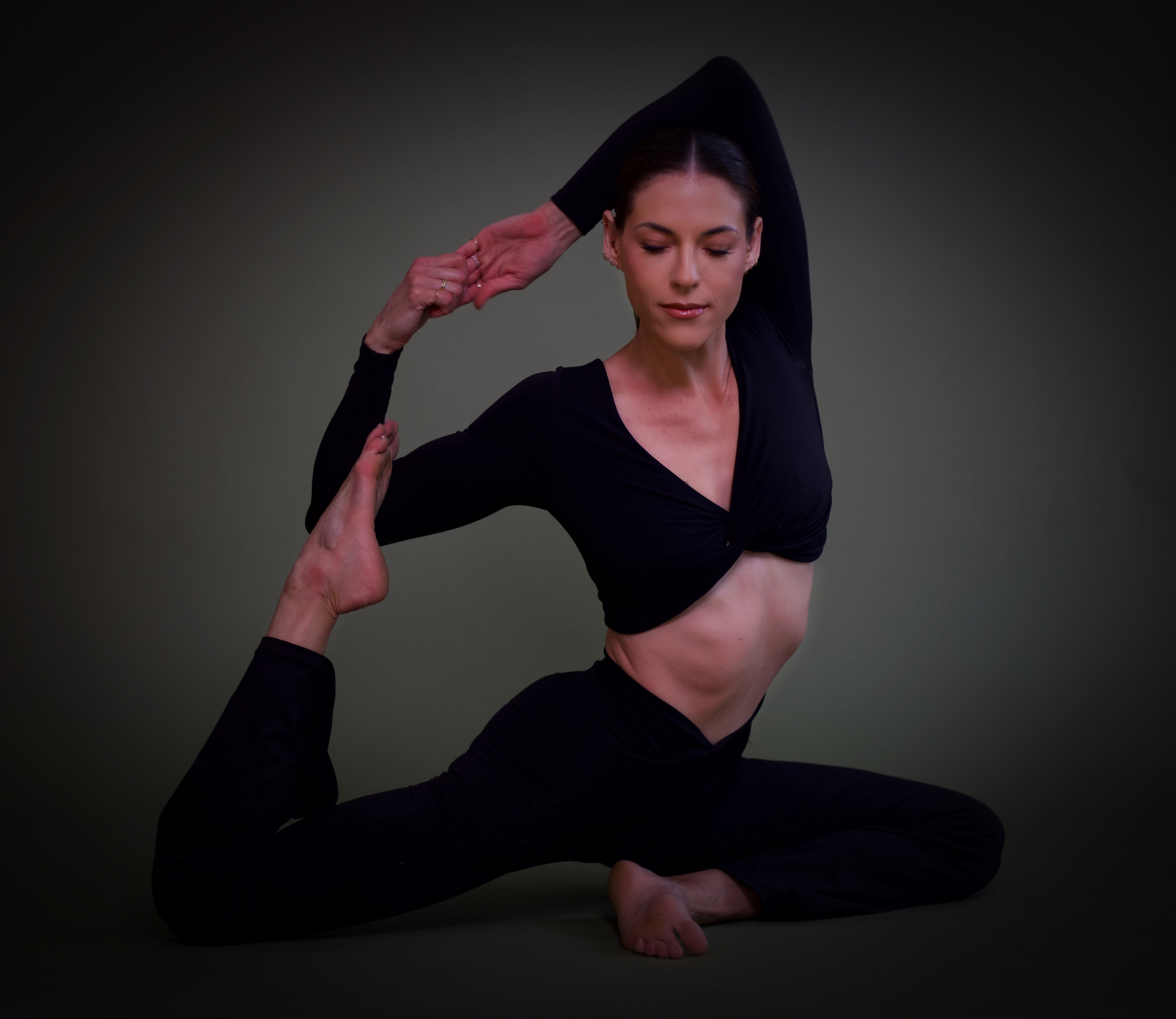
Flexibility is one of the most common reasons people start yoga—and one of the most misunderstood. Flexibility isn't about contorting into impressive shapes or matching Instagram images. It's about having sufficient range of motion in your joints to move through daily life with ease and freedom.
Yoga builds flexibility systematically, progressively, and safely—quite different from the aggressive stretching that can cause injury. The practice teaches you to work with your body's natural resistance rather than forcing past it.
Why We Get Tight
Understanding why muscles tighten helps you address inflexibility at its source:
Muscles adapt to positions we hold—sitting shortens hip flexors and hamstrings over time.
Doing the same motions (typing, driving) tightens certain muscles while weakening others.
Chronic stress creates muscle tension—the body armors against perceived threat.
Connective tissue loses elasticity without adequate hydration and movement.
Old injuries create guarding patterns; other areas tighten to compensate.
The brain limits range of motion when it perceives danger—even unconsciously.
Best Styles for Flexibility
- Yin Yoga: Long holds (3-5 minutes) target deep connective tissue. Highly effective for hip and spine flexibility.
- Hatha Yoga: Moderate holds with alignment focus. Builds flexibility systematically.
- Iyengar Yoga: Precise alignment with props. Safe, effective, particularly for those with limitations.
- Restorative Yoga: Passive stretching with complete support. Allows deep release without effort.
Common Tight Areas and Solutions
Most practitioners share similar tight spots. Here's how yoga addresses them:
Forward folds (seated and standing), Pyramid Pose, Reclined Hand-to-Big-Toe Pose. Progress slowly—hamstring injuries are common.
Low Lunge, Crescent Lunge, Reclined Hero Pose. These shorten dramatically from sitting.
Pigeon Pose, Fire Log Pose, Reclined Pigeon. Tight from sitting and under-rotation in daily life.
Eagle Arms, Cow Face Arms, supported backbends. Counter the forward-rounding of desk work.
Cat-Cow, Thread the Needle, supported Fish. The upper back loses mobility when we hunch.
Downward Dog, Malasana (squat), Ankle Stretches. Often neglected but essential for movement.
Principles for Safe Stretching
- Warm up first: — Never stretch cold muscles. 5-10 minutes of movement prepares tissue for lengthening.
- Find the edge, don't push past it: — Work at the point of sensation, not pain. Forcing creates the opposite of what you want.
- Hold longer for deep change: — Short holds (under 30 seconds) primarily affect muscles. Longer holds (2-5 minutes) reach fascia and connective tissue.
- Breathe into tension: — Exhales help the nervous system release. Holding breath creates more tension.
- Be consistent: — 10 minutes daily beats 90 minutes weekly. Flexibility is built through regular practice.
- Balance flexibility with strength: — Extreme flexibility without strength creates instability. Both matter.
- Give it time: — Significant flexibility changes take months to years. There's no shortcut.
The Dangers of Too Much Flexibility
More flexibility isn't always better. Hypermobility—excessive range of motion—carries its own risks:
Realistic Expectations
What can you actually expect from a flexibility practice?
Some areas respond faster than others. Hamstrings notoriously take longer than most expect. Hip rotators can open relatively quickly. Everyone's pattern is different.
The goal isn't to achieve any particular pose but to have the range of motion you need for the life you want to live. For most people, that's considerably less than the extreme flexibility shown in yoga media—and considerably more than the average modern body possesses.
Find Flexibility-Focused Yoga Classes
Ready to build flexibility safely and sustainably? Find studios offering Yin, Hatha, and Restorative classes near you.
Keep Exploring
Explore more terms, styles, and find studios near you.
Find Studios Near You