
Ashtanga yoga is a rigorous, traditional practice following a precise sequence of postures linked by breath and vinyasas (flowing transitions), building internal heat and intense focus through its structured six series that progressively increase in difficulty, emphasizing tristhana (breath, posture, and gaze) to develop strength, flexibility, and moving meditation.
What is Ashtanga Yoga?
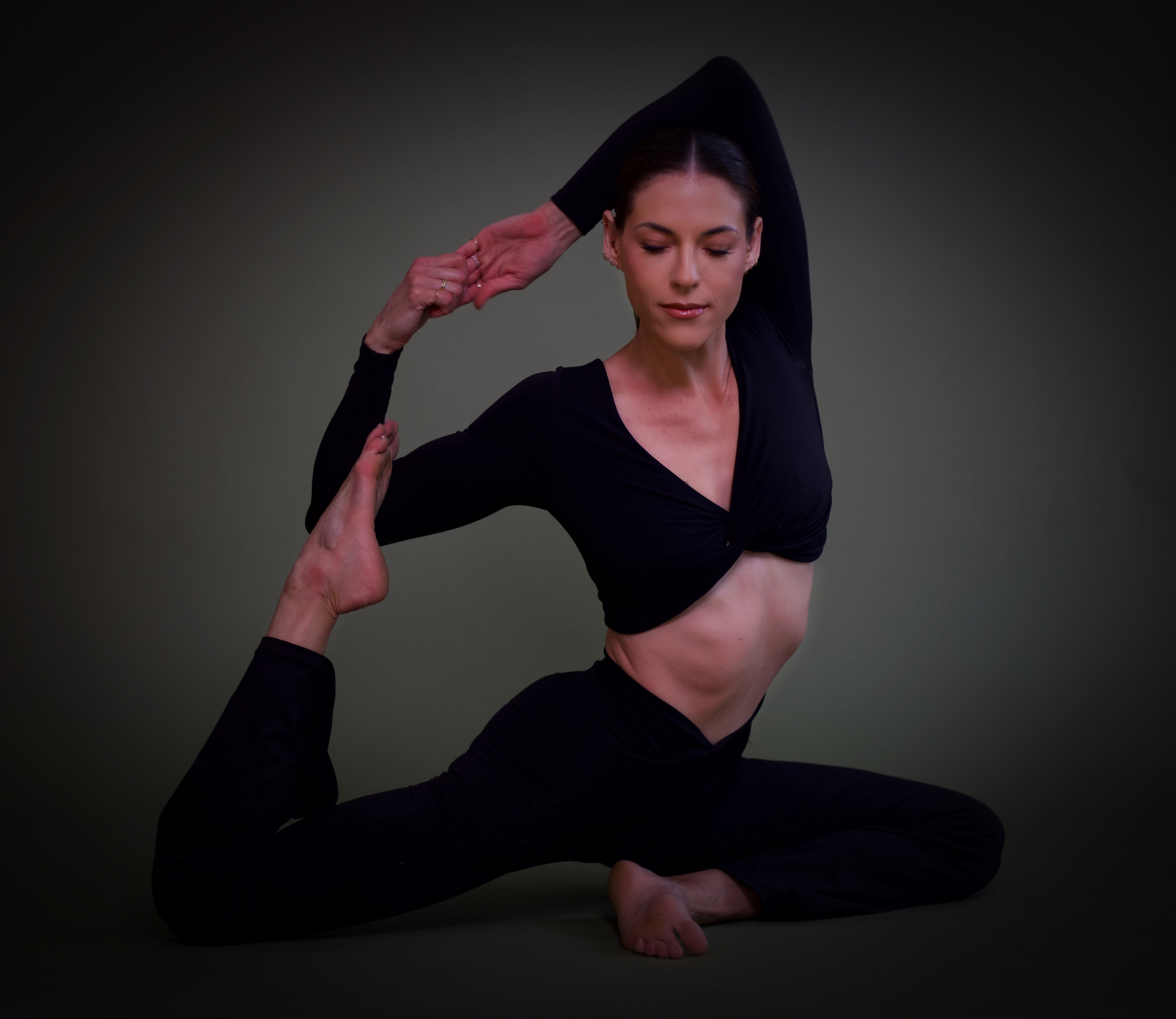
Ashtanga Yoga is a rigorous, traditional practice following a precise sequence of postures linked by breath and vinyasas (flowing transitions). This powerful system builds internal heat and intense focus through six structured series that progressively increase in difficulty. Developed by Sri K. Pattabhi Jois in Mysore, India, Ashtanga emphasizes tristhana—the union of breath, posture, and gaze—to develop strength, flexibility, and a moving meditation that transforms both body and mind.
Quick Facts
Overview
What to Expect in an Ashtanga Yoga Class
Same Sequence Every Class
You'll practice the same sequence of postures in the same order every time. This repetition isn't monotony—it's a laboratory for noticing change, tracking progress, and deepening your understanding of each pose.
Mysore Style or Led Classes
In Mysore-style classes, students work through the sequence at their own pace while the teacher offers individual adjustments. Led classes follow the teacher's count in unison. Both formats are traditional, but Mysore is where the practice truly deepens.
Intense Heat-Building Practice
Ashtanga generates internal heat (tapas) through continuous movement and ujjayi breath. Expect to sweat. This isn't about the room temperature—it's about the metabolic fire of disciplined practice.
Emphasis on Gaze Points (Drishti)
Each pose has a specific focal point to anchor your attention. This isn't just about where to look—it's about training the mind to stay present and resist distraction during intense physical effort.
Ashtanga Vinyasa Yoga: Discipline, Strength, and the Dance of Breath and Movement
Ashtanga Vinyasa Yoga is a powerful, structured, and deeply transformative style of yoga that demands physical strength, mental focus, and dedicated discipline. Rooted in tradition and rigor, it offers a dynamic pathway to both physical mastery and inner growth.
For many modern practitioners, Ashtanga serves as the foundation of flow-based yoga—its techniques and principles have influenced countless contemporary styles, including Vinyasa, Power Yoga, and many hybrid forms.
Yet Ashtanga remains distinct in its unwavering commitment to a set sequence of postures, synchronized breath and movement, and a lineage-based teaching method that honors its origins.
In this guide, we’ll explore the origins of Ashtanga Yoga, its unique structure, the experience of practice, and the profound benefits it offers to body, mind, and spirit.
Origins and Tradition
Ashtanga Vinyasa Yoga was popularized by Sri K. Pattabhi Jois (1915–2009), a student of T. Krishnamacharya, who is widely regarded as one of the most influential yoga teachers of the modern era.
Jois developed the Ashtanga system in Mysore, India, and began teaching it to Western students in the 1970s. The practice was based on an ancient text, the Yoga Korunta, which emphasized the synchronization of breath and movement—a method known as Vinyasa.
The term Ashtanga means “eight limbs,” referring to the eightfold path of yoga outlined in Patanjali’s Yoga Sutras:
- Yama (ethical restraints)
- Niyama (observances)
- Asana (posture)
- Pranayama (breath control)
- Pratyahara (withdrawal of the senses)
- Dharana (concentration)
- Dhyana (meditation)
- Samadhi (absorption)
While modern Ashtanga practice is primarily centered on asana, it is intended as a gateway to the full eight-limbed path—cultivating discipline, clarity, and ultimately, inner freedom.
Style and Structure
Style:
Ashtanga Vinyasa Yoga is dynamic, athletic, and physically demanding. It is one of the most challenging and structured styles of yoga practiced today. Unlike more open-ended classes where the teacher designs the flow (as in Vinyasa), Ashtanga follows a precise and unchanging sequence of postures. Students progress through this sequence gradually, often spending months or years mastering each stage before moving on. The practice is highly individualized—students are encouraged to internalize the sequence, moving at their own pace under the guidance of a teacher.
Structure:
The Ashtanga system consists of six series of increasing difficulty. A typical class (especially in Mysore style) includes:
- •Opening mantra and Sun Salutations (Surya Namaskara A & B)
- •Standing postures building strength, stability, and alignment
- •Seated asanas enhancing flexibility and breath control
- •Backbends, inversions, and finishing sequence
- •Closing meditation and mantra
Breath and Flow
Breath:
Breath is the heart of Ashtanga Yoga. Every movement is synchronized with Ujjayi breath—a deep, resonant breath that creates internal heat, supports endurance, and anchors awareness. In addition to breath, practitioners engage Bandhas (energy locks) and Drishti (gaze points). Together, Ujjayi breath + Bandhas + Drishti form the energetic triad that makes Ashtanga a moving meditation.
Flow:
Ashtanga's flow is continuous and dance-like—each movement is seamlessly linked with breath. There is no pausing between poses; the practitioner moves rhythmically from one asana to the next in a choreographed sequence. This flow state builds cardiovascular stamina, muscular endurance, mental concentration, and emotional resilience. The practice is often described as a moving meditation, where breath and movement merge into a state of focused absorption.
Pace, Focus and Teacher Role
Pace:
Ashtanga Vinyasa Yoga is fast-paced, sweaty, and consistent. It is designed to build internal heat (Tapas), which purifies the body, removes toxins, and enhances flexibility. The intensity of the practice requires stamina, strength, breath control, and mental focus. Because the sequence is set (unlike Vinyasa), students quickly learn to anticipate the next pose, fostering a sense of rhythm and flow.
Focus:
The primary focus of Ashtanga is strength, flexibility, stamina, and discipline. It is a physically rigorous and mentally demanding practice. Through repetition of the sequence, students cultivate:
- •Body mastery: Strength and flexibility across all major muscle groups
- •Breath mastery: Seamless synchronization of breath and movement
- •Mental discipline: Concentration, patience, and inner steadiness
- •Energetic awareness: Subtle engagement of Bandhas and pranic flow
Teacher Role:
In traditional Ashtanga (especially in Mysore-style classes), the teacher offers minimal verbal instruction. Students are expected to memorize the sequence and practice it independently, with the teacher providing individual hands-on adjustments and guidance. This self-led approach cultivates self-discipline, personal responsibility, and deeper embodiment of the practice. In guided classes (commonly called Led Primary), the teacher leads the group through the sequence with a consistent rhythm and pace. Ashtanga attracts practitioners who value discipline, progressive mastery, and a no-frills approach to yoga.
Benefits of Ashtanga Yoga
Physical Benefits
- •Exceptional strength and muscle tone
- •Increased flexibility and range of motion
- •Enhanced cardiovascular fitness
- •Improved balance and coordination
- •Detoxification through sweat and internal heat
Mental and Emotional Benefits
- •Heightened mental focus and concentration
- •Increased emotional resilience
- •Development of discipline and patience
- •Release of stress and mental tension
- •Sense of empowerment through overcoming challenges
Energetic and Subtle Benefits
- •Deepened breath capacity and pranic flow
- •Activation of subtle energy channels (Nadis)
- •Enhanced mind-body integration
- •Gateway to meditative states through movement
Who Is Ashtanga Yoga For?
Ashtanga Yoga is ideally suited for:
- •Athletic individuals seeking a structured and challenging practice
- •Disciplined practitioners who appreciate tradition and rigor
- •Those who value consistency and routine
- •Students committed to long-term progression
- •Yogis looking to build physical strength and mental endurance
It may not be ideal for those seeking a gentle, restorative, or highly adaptable practice—though many experienced yogis find ways to modify the sequence to suit their needs.
Conclusion
Ashtanga Vinyasa Yoga is a path of discipline, strength, and self-mastery. It offers a profound opportunity to cultivate physical power, mental clarity, and energetic vitality through the dance of breath and movement.
Its structure may be demanding, but its rewards are immense. Through dedicated practice, students experience a transformation that extends far beyond the mat—into every aspect of life.
If you are ready to embrace the journey with patience, humility, and heart, Ashtanga Yoga offers a timeless and powerful practice for body, mind, and spirit.
Yet yoga is not one path, but many. If Ashtanga feels too rigid, you may find freedom in the creative flow of Vinyasa Yoga, where movement is guided by breath without a fixed sequence. If you crave Ashtanga’s strength but with playful variations, Rocket Yoga reimagines the tradition with accessibility, fun, and flight. For a strong, fitness-driven approach, Power Yoga channels the energy of Ashtanga into a dynamic, athletic practice. If intensity calls you but you prefer structure within heat, the fiery discipline of Hot Yoga may resonate. For those seeking gentleness and grounding, Hatha Yoga provides a slower, steadier entry point. If alignment and precision speak to you, Iyengar Yoga offers a foundation built on detail and strength. And if you long to awaken energy from within, Kundalini Yoga combines breath, mantra, and movement to stir consciousness and connect you to spirit.
Each style, like Ashtanga, is a doorway—inviting you deeper into the heart of yoga.
About Lisa Marie
Lisa Marie is a lifelong student and teacher of yoga, introduced to the practice at age 15. She has dedicated her life to exploring and sharing the power of this ancient, spiritual tradition. As a contributor to YogaNearMe, she helps support the growth of yoga by providing accessible, trustworthy information about yoga styles, studios, and practices.
Related Content
Continue your yoga journey with these related guides
Vinyasa Yoga
Creative flow without fixed sequences—Ashtanga's breath-movement connection with freedom to explore.
Explore Vinyasa →Rocket Yoga
Modified Ashtanga made accessible and playful—same foundation, with permission to fly and explore.
Explore Rocket →Power Yoga
Athletic, strength-focused practice inspired by Ashtanga's intensity but adapted for Western fitness culture.
Explore Power →Find Your Perfect Ashtanga Yoga Class
Connect with experienced ashtanga yoga teachers and studios in your area.
Search Classes →